How Often Should You Change a Hydrocolloid Bandage?
Most hydrocolloid dressings hold for three to seven days on a minor wound before they need changing, provided the seal is intact, and no fluid has leaked past the edges.

Most hydrocolloid dressings hold for three to seven days on a minor wound before they need changing, provided the seal is intact, and no fluid has leaked past the edges.
Yes, hydrocolloid tape is generally safe to use on the face, and dermatologists commonly recommend it for pimples, popped blemishes, and minor superficial wounds in facial skin. The material was

Yes, you can shower with Hydrocolloid Patches on, and for most people, it’s actually the point. Hydrocolloid Tape is built with a waterproof polyurethane outer layer specifically so that daily

The answer depends entirely on what kind of open wound you’re treating. Hydrocolloid Tape works well on clean, shallow wounds with light to moderate drainage. It’s a poor match for
Skin under a medical device faces a sustained test, since it must tolerate adhesive contact, moisture, and pressure for hours or days while the device stays reliably in place. The
Knowing when to leave a hydrocolloid dressing alone and when to change it is a practical skill that affects both skin health and device stability. Wear time is rarely a
Hydrocolloid technology has anchored wound care and device securement for decades, yet how it works is frequently misunderstood. The material does far more than cover skin. It responds to the
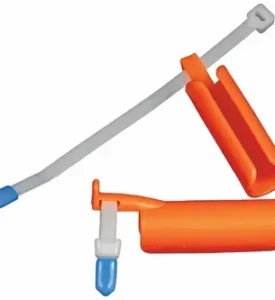
Securing a medical device to the skin sounds simple until the patient is a premature infant whose skin can be injured by the very adhesive meant to hold a lifesaving
Knowing how long Hydrocolloid Tape should stay on matters because replacement timing affects both skin protection and healing progress. Leave it on too briefly, and the site may lose the
In neonatal, pediatric, geriatric, and critical care environments, the skin barrier may already be stressed by moisture, edema, repeated device contact, medical adhesives, cleansing routines, and reduced tissue resilience. If