Knowing when to leave a hydrocolloid dressing alone and when to change it is a practical skill that affects both skin health and device stability. Wear time is rarely a fixed number, since the right moment to replace a dressing depends on what is happening at the skin surface and how well the dressing is still performing. A Hydrocolloid Bandage can stay effective for an extended period or reach its limit early, depending on moisture, movement, and the condition of the skin beneath it. Reading those signals correctly helps clinicians protect fragile tissue while keeping whatever the dressing secures reliably in position throughout care.
What Determines How Long a Hydrocolloid Bandage Stays in Place
Several conditions decide how long a dressing remains effective, and they vary from one patient and site to the next. The amount of moisture the area produces is the largest factor, since a heavily draining or perspiring site loads the dressing faster than a dry one. The size and thickness of the dressing also play a part, because a larger pad holds more fluid before reaching its capacity.
Movement and location matter as well. A dressing placed over a flat, stable area tends to stay seated longer than one positioned across a joint, a curve, or a spot subject to frequent handling. Skin condition further shapes wear time, since fragile or compromised skin may need earlier reassessment to catch problems before they develop.
These variables explain why a single recommended wear time rarely fits every situation. A Hydrocolloid Bandage on a low-moisture, low-movement site may perform well for the full intended duration, while the same dressing on a moist or high-friction area may need attention sooner. Judging wear time against the actual conditions at the site, then checking the dressing on a sensible schedule, gives clinicians a more reliable approach than the clock alone.
Why Does Hydrocolloid Dressing Wear Time Depend on Skin Condition
A common mistake is treating wear time as a countdown, when the condition of the skin and dressing tells a more accurate story. Manufacturer guidance offers a useful starting range, yet two dressings applied at the same time can reach very different points by the end of a shift, depending on what each site demands. Following the clock alone can mean changing a dressing that is still working well or leaving one in place past the point where it protects the skin.
The better approach treats the recommended duration as an outer boundary and the appearance of the dressing as the real guide. A dressing that remains secure, comfortable, and well within its absorption capacity is usually still doing its job, even partway through its expected wear. A dressing that has saturated, lifted, or shifted has reached the end of its usefulness regardless of how recently it was applied.
This skin-led approach also supports better outcomes for fragile patients. Unnecessary changes expose delicate skin to repeated adhesive stress, while delayed changes allow moisture and loosening to compromise the site. Reading the dressing and the skin together, and acting on what they show, keeps both protection and securement consistent across the wear period.
Signs a Hydrocolloid Bandage Is Ready to Be Changed
Recognizing when a dressing has reached its limit is one of the most useful bedside skills in securement, since the right cues prevent both premature and overdue changes. The dressing itself signals much of this, and a quick visual and tactile check usually answers the question.
A dressing is generally ready for replacement when one or more of these signs appear:
- Heavy saturation. The center looks swollen, opaque, or visibly full, suggesting the dressing is near its absorption capacity.
- Lifting edges. The borders begin peeling away, which breaks the seal and lets in moisture and contaminants.
- Weakening adhesion. The dressing no longer holds securely against the skin during normal movement.
- Shifting position. The dressing has migrated off the intended site, reducing both protection and securement.
- Surface contamination. Visible soiling or exposure to fluids calls for a clean replacement.
When any of these appear, changing the dressing restores reliable coverage. These practical indicators give clearer direction than an hourly figure, since they reflect the true state of the site. Pairing them with routine inspection keeps a Hydrocolloid Bandage performing as intended without guesswork about when to act.
How to Tell if a Hydrocolloid Dressing Is Still Working
A frequent assumption is that a dressing should come off the moment it begins to whiten or show absorption, when in practice, many dressings keep working well past that point. The whitening reflects normal fluid uptake, and on its own, it is a weak reason to remove a dressing that is otherwise secure and comfortable. Acting on appearance alone can lead to changes that expose the skin to extra handling for no clinical gain.
The deciding question is whether the dressing still maintains close, secure contact with the skin. A dressing that remains well sealed, comfortable, and within its absorption capacity continues to protect the site and support the device it holds. Replacement becomes the right call when the dressing has saturated, lost its grip, or moved out of position, since at that point the seal and the protection it provided are compromised.
The aim is steady, effective coverage across the wear period, with changes driven by need rather than habit. Over-changing wastes supplies and stresses fragile skin, while under-changing risks moisture buildup and loosening. Balancing the two, guided by the condition of the dressing and the site, keeps securement dependable while protecting the skin underneath throughout care.
Reading the Skin Beneath a Hydrocolloid Bandage
The dressing is only half the picture, since the skin underneath gives the clearest read on whether securement is helping or causing harm. Each time a dressing comes off, the site offers a brief window to assess how the skin is tolerating both the adhesive and whatever the dressing secures, and that assessment should guide what happens next.
A healthy site looks intact and shows no redness, breakdown, or maceration around the dressing margin. Signs that call for closer attention include persistent redness, skin stripping at the edges, moisture damage in the surrounding tissue, or any open area. Catching these early allows a change in technique, dressing choice, or placement before a minor issue becomes a wound that complicates ongoing care.
This skin-focused habit is especially valuable for the most vulnerable patients, whose tissue tolerates little stress and heals slowly. Building a quick skin check into every dressing change turns securement into an active part of skin protection, not a set-and-forget task. By treating the condition of the skin as the primary measure of success, clinicians keep a Hydrocolloid Tape or dressing working in the patient’s favor across the full course of treatment.
How to Remove and Reapply Hydrocolloid Without Skin Trauma
Technique of removal and reapplication has a direct effect on skin integrity, since careless handling can undo the very protection the dressing provides. Gentle, deliberate steps preserve fragile tissue and help the next dressing perform well.
Removing the dressing
Loosen one edge and support the surrounding skin with a finger, then peel the dressing back low and slow across the surface in the direction of hair growth. Easing it off horizontally reduces the lifting force on the skin and limits stripping, which protects delicate tissue from the trauma a quick pull can cause.
Preparing and reapplying
Clean the area and allow it to dry fully before applying a fresh dressing, since residual moisture weakens the seal and shortens wear. Size the new dressing so it extends slightly beyond the area it protects, place it without tension, and press it gently into place. Avoid repositioning once applied, because repeated lifting reduces adhesion and disturbs the skin.
These habits help each Hydrocolloid Tape application hold reliably while sparing the skin. Careful removal and clean reapplication also make the next wear period more predictable, supporting both consistent securement and healthier skin over time.
How B&B Medical Technologies Applies Hydrocolloid Securement in Neonatal Airway Care
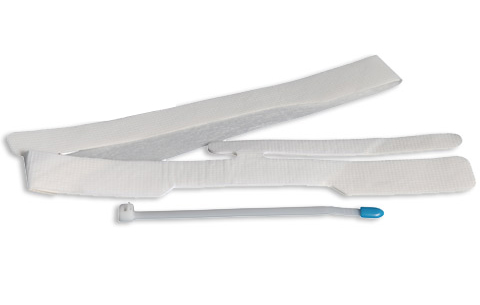
As the leading designer of clinically proven airway securement devices, B&B Medical Technologies built Baby Tape Plus around these wear and reassessment realities, using a pre-cut, latex-free hydrocolloid adhesive to secure an infant endotracheal tube. In neonatal care, the airway has to stay precisely positioned across an entire shift, and clinicians need to assess the tube and the skin without dismantling the securement each time. A pre-cut hydrocolloid holder supports that rhythm, holding the tube reliably while contouring to a baby’s tender skin.
This fits how neonatal teams actually work, since airway securement is checked repeatedly through the course of care. The hydrocolloid contact surface holds firmly during routine handling and releases gently when a change is genuinely needed, which protects the fragile skin a newborn cannot afford to lose. By choosing a securement material suited to dependable wear and atraumatic removal, B&B Medical Technologies supports clinicians who must keep a critical airway stable and reassess it often, all while protecting the smallest patients from the skin injury that repeated handling can otherwise cause.
Frequently Asked Questions
There is no single number that fits every case. A dressing can stay on for several hours or longer, but the better guide is how it looks and holds. As long as it is still sealed, comfortable, and not saturated, it is usually fine to leave it alone.
No. The white or cloudy look just means it is absorbing fluid, which is normal. If the dressing is still stuck down well and sitting where it should, it can keep working. Change it once it saturates, lifts, or slides out of place.
Look for a swollen or fully cloudy center, edges peeling up, a weaker stick, the dressing drifting off the spot, or any soiling. Any one of these means the seal is breaking down, and a fresh dressing will protect the area better.
It comes down to how much moisture the site gives off. A damp or heavily draining area loads the dressing quickly, while a dry, low-movement spot can keep the same dressing effective much longer.
Loosen one edge, hold the nearby skin steady, and peel it back slowly and flat across the surface instead of pulling straight up. Going low and slow keeps the lifting force off the skin and helps prevent stripping.
Yes. Once the area is gently cleaned and fully dry, a new dressing can go on. Make sure the skin underneath looks intact first, and size the new piece so it sits slightly beyond the area it covers.