Knowing how long Hydrocolloid Tape should stay on matters because replacement timing affects both skin protection and healing progress. Leave it on too briefly, and the site may lose the stable, protected environment that helps reduce friction and moisture exposure. Leave it on too long after the seal has weakened or the material has absorbed all it can manage, and the dressing may stop performing the way it should. The best wear time is usually based on how the site looks, how much fluid is present, and whether the edges remain secure.
That is why hydrocolloid wear time is rarely answered with one simple number that fits every situation. A patch placed over a small superficial blemish may behave very differently from one covering a rubbed area, a minor wound, or skin exposed to more movement and heat. The smarter approach is to understand what the material is doing while it is in place, what normal changes look like, and which signs mean it is still helping versus when it is ready to be replaced.
What Determines How Long Hydrocolloid Tape Should Stay On?
Wear time is shaped by the condition of the skin and the environment around it. A site with very little drainage may keep a hydrocolloid dressing stable for longer because the material is not being asked to absorb much moisture. A site that produces more fluid, sits under friction from clothing, or bends repeatedly during movement may need earlier replacement because the dressing is working harder and the seal breaks down faster. The location matters just as much as the wound itself because areas exposed to rubbing, sweat, or repeated stretching tend to challenge the edges sooner.
The more useful question is not only ‘how long to leave on a hydrocolloid bandage?’ but what the dressing is showing while it is on the skin. Hydrocolloid is designed to interact with moisture and create a protected surface, so visible change is part of its function rather than an automatic sign of failure. What matters is whether that change remains controlled. If the dressing is still sealed, cushioning the site, and maintaining clean coverage, it may still be doing its job well.
Signs It Is Time to Replace the Dressing
One of the clearest signs that a hydrocolloid dressing is ready to come off is edge lift. Once the border begins to peel away, the protected environment becomes less reliable because outside moisture, friction, and debris can reach the area more easily. Another common sign is swelling, whitening, or a cloudy appearance that has expanded to the point where the dressing looks saturated rather than simply active. That change often reflects absorbed moisture and gel formation beneath the surface, which is expected up to a point, but it can also indicate the dressing is nearing the end of useful wear.
Comfort and site appearance also matter. If the patch starts shifting, catches on clothing, feels overly bulky, or no longer sits flat, it becomes harder for it to protect the area consistently. A dressing should support healing quietly in the background, not create a new source of irritation. For readers who want a broader view of how this material supports repair in different skin concerns, explore How Hydrocolloid Tape Heals Acne & Minor Wounds for a smoother look at how protection, absorption, and coverage work together.
Why Moisture, Friction, And Placement Change Wear Time of Hydrocolloid Dressing
Hydrocolloid dressings perform best when they can stay sealed over a reasonably stable surface. That becomes harder in places where the skin flexes often, where sweat collects, or where clothing causes repeated rubbing throughout the day. A patch on a calm, low-motion area may stay effective longer than one placed on a joint line, along the jaw, or under equipment or garments that create ongoing pressure. This is why two people using the same product can have very different wear times, even when the skin issue looks similar.
That is also why the question ‘how long to leave on hydrocolloid bandage?’ cannot be answered well without considering placement. The dressing is not working in isolation. It responds to movement, temperature, fluid, and daily activity. When those stresses are low, the patch often stays effective longer. When they are high, the material may need to be changed sooner to keep the site protected and reduce the chance of irritation from a partially lifted or overloaded dressing.
When Is It Better To Leave A Hydrocolloid Patch Alone
Many people remove the hydrocolloid too early because the dressing changes appearance, and they assume that means something has gone wrong. In reality, some whitening or cloudiness can mean the material is absorbing moisture and forming the gel layer that helps maintain a protected healing surface. If the edges are intact, the site is not becoming more painful, and the patch still sits flat without leaking or shifting, leaving it alone may be the better choice. Frequent unnecessary changes can interrupt the protected environment and expose the site to more friction than needed.
Patience matters because hydrocolloid works by maintaining consistency. The material helps by shielding the area from rubbing, limiting outside irritation, and supporting a moist environment that favors surface repair. When the dressing is still sealed and comfortable, replacing it too soon can undo some of that benefit. The more thoughtful approach is to judge whether performance is continuing, not simply whether the patch still looks exactly the way it did when first applied.
When A Hydrocolloid Patch Should Not Stay On Longer
A patch should not remain in place just because it has not fallen off. Once the dressing is clearly lifting, leaking, heavily swollen, or trapping moisture in a way that makes the surrounding skin look irritated, it is no longer offering the same level of protection. The same applies when the area underneath appears worse instead of calmer, or when the skin around the border starts to look overly soft, pale, or stressed from prolonged moisture exposure. Wear time should support healing, not become a reason the skin stays irritated.
It is also important to pay attention to signs that go beyond a normal dressing change. Increasing redness, unusual warmth, worsening tenderness, drainage that looks concerning, or an odor that does not fit the original skin issue deserve closer evaluation. Hydrocolloid dressings are useful for minor wounds and superficial skin problems, but they are not a substitute for clinical assessment when the site is getting worse rather than stabilizing. Knowing when to remove the patch is only part of good care. Knowing when the skin needs a different level of attention matters just as much.
About B&B Medical Technologies
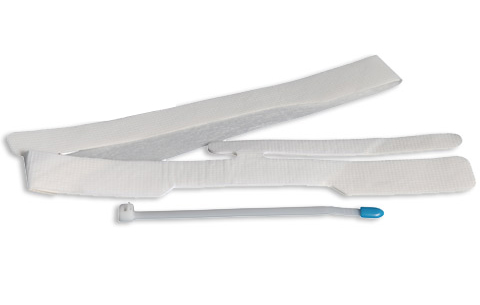
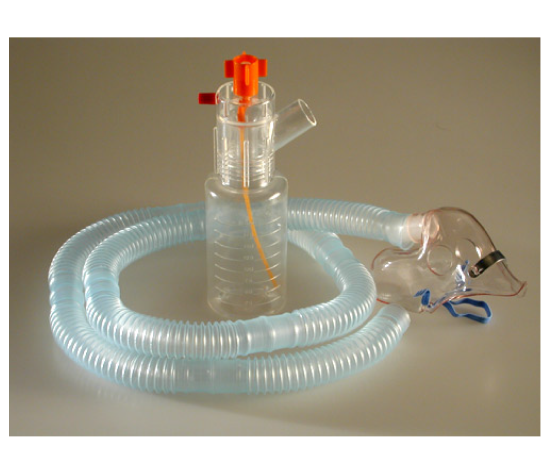
B&B Medical Technologies develops products that support securement, skin protection, respiratory care, and airway management in clinical environments where materials must perform reliably under real pressure. Its portfolio includes solutions for endotracheal tube securement, neonatal and pediatric respiratory support, tracheostomy stabilization, bite protection, and hydrocolloid-based skin-friendly applications. That range reflects a practical understanding of what happens when moisture, movement, repeated handling, and fragile skin all affect how well a product performs.
B&B’s product and educational content consistently reflect a workflow-based view of care, where skin protection is not only about sticking a dressing in place. It is about how long the material stays secure, how gently it can be removed, how well it protects vulnerable skin, and how consistently caregivers can monitor the site over time. That perspective makes the discussion around hydrocolloid wear time more meaningful because it connects the dressing to real performance, not just general instructions.
Frequently Asked Questions
Wear time depends on the site, the amount of moisture present, and whether the dressing edges remain sealed. Many people change it when it begins lifting, looks saturated, or no longer sits flat.
Yes. That change often means the dressing is absorbing moisture and forming gel beneath the surface. It can be a normal sign of activity, though heavy swelling or loss of seal may mean it is time to replace it.
Not always. If the patch is still sealed, comfortable, and protecting the area well, removing it too early may interrupt the healing environment.
Yes. If it is lifting, leaking, overly swollen, or causing irritation around the edges, it should be replaced rather than left in place longer.
If the area becomes more painful, more red, unusually warm, drains concerning fluid, or seems worse instead of better, a clinician should evaluate it.