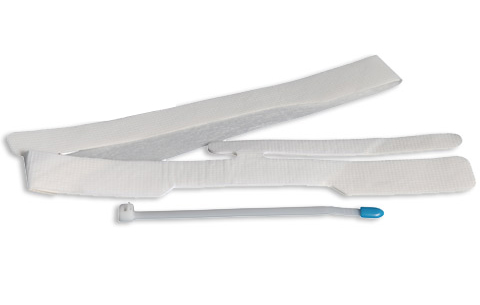
An intubated patient can bite down hard enough to compress or fully occlude an endotracheal tube, and a Bite Block exists specifically to stop that from happening. Placed alongside the ET tube during oral intubation, it keeps the airway open even if the patient bites reflexively, whether from agitation, light sedation, or an involuntary response while regaining consciousness.
What a Bite Block Actually Protects During Intubation
Biting the endotracheal tube is a common occurrence in intubated patients, not a rare complication. Even brief compression of the tube can restrict airflow and interfere with ventilation, which makes some form of tube protection standard practice in most oral intubations. A Bite Block sits alongside the tube, giving the patient’s jaw something firm to close against instead of the tube itself.
Clinical literature identifies three main device types used for this purpose: the oral bite block, the universal bite block, and an endotracheal tube holder with an integrated bite block built in. Each protects the airway differently, but the underlying goal stays the same across all three. For a broader look at how these devices fit into overall airway protection strategy, The Importance of Bite Blocks in Airway Management & Patient Safety covers the full picture.
Why Tube Biting Happens So Frequently
Patients bite down on airway devices for reasons that have nothing to do with intent. Emergence from anesthesia often passes through a stage where reflexes return before full consciousness does, and a clenched jaw is one of the more common involuntary responses during that window. Agitated or delirious ICU patients present a similar risk, sometimes over an extended period rather than a brief transitional moment. Pediatric patients add another layer of unpredictability, since younger patients may bite reflexively regardless of sedation depth. None of these scenarios is a rare edge case. They’re routine parts of managing an intubated airway, which is exactly why bite protection has become standard rather than optional in most clinical settings.
What Happens When a Tube Isn’t Protected
Without adequate protection, a bitten ET tube can partially or fully occlude, restricting airflow during a moment when the patient depends entirely on that airway for oxygenation. Repeated or sustained biting can also damage the tube itself, in some cases severely enough to require reintubation, a procedure that carries its own risks, particularly in patients who were difficult to intubate the first time or who are hemodynamically unstable. Dental injury is a secondary but real concern as well, since an unprotected bite against a rigid tube can chip teeth or damage existing dental work over the course of a lengthy procedure or ICU stay.
Why a Universal Bite Block Reduces Complications Compared to a Standard Oral Airway
Many clinicians default to a standard oral airway for this purpose, but oral airways have a documented limitation: they prevent biting of the tube, but they do not protect the pilot balloon tubing, and in some cases may actually increase the risk of pilot tube rupture. That’s a meaningful gap, since a ruptured pilot tube can cause the cuff to deflate, compromising the seal that keeps the airway protected and ventilation effective.
A universal Bite Block closes that gap by protecting both the ET tube and the pilot balloon assembly at once. It also applies less pressure to the tongue, palate, and lip than a bulky oral airway, which matters for patient comfort during what can be an extended period of intubation. B&B Medical Technologies designs its Universal Bite Block line, including adult and pediatric versions, specifically around this dual-protection approach, while still allowing unobstructed bilateral access to the oral cavity for suctioning, oral hygiene, and passage of other devices like closed suction catheters or bronchoscopes.
Comfort and Extended Use Considerations
Comfort becomes a more pressing concern the longer a patient stays intubated. A device that presses hard against the tongue or palate during a short surgical procedure is tolerable in a way that the same pressure sustained over days in an ICU setting is not. Reduced pressure points, combined with a design that doesn’t obstruct oral access, make ongoing oral hygiene and suctioning considerably easier for the care team, which in turn supports better outcomes during long-term ventilation.
Access for Other Airway Devices
One underappreciated advantage of a universal bite block design is that it doesn’t monopolize the oral cavity the way some devices do. Bilateral, unobstructed access means clinicians can pass a closed suction catheter, an oral gastric tube, or a bronchoscope without needing to remove or reposition the bite block first. That matters clinically, since repeated removal and reinsertion of a securement device increases the risk of accidental tube displacement, exactly the kind of complication the device was placed to prevent in the first place.
Correct Positioning Prevents Pilot Tube Malfunction
Positioning matters more with a universal bite block than many clinicians realize. Documented case reports describe pilot tube dysfunction caused specifically by a malpositioned bite block, where the takeoff point of the pilot tube ended up compressed against the device rather than resting cleanly within the designated channel or notch built into the block. In one reported case, this malposition caused the pilot balloon to appear falsely deflated during a routine cuff-leak test, nearly leading to an unnecessary tube exchange before the actual cause was identified.
The fix in that scenario was straightforward once recognized: repositioning the bite block relative to the pilot tube restored normal balloon function immediately. This is exactly why routine assessment of an intubated patient should include a check of the pilot balloon and its tubing alongside the bite block itself, not just a visual confirmation that a bite block is present. Bite Block: Ensuring Safety and Comfort in Anesthesia and Critical Care covers additional clinical scenarios where positioning and device selection affect outcomes like this one.
How to Confirm the Pilot Tube Is Seated Correctly
Confirming correct pilot tube placement takes only a moment but requires a deliberate check rather than a glance. The pilot tube should run within the bite block’s designated channel or C-notch, not pinched between the block and the ET tube itself. A quick visual trace of the pilot tube from the cuff to the external pilot balloon, checking that it stays clear of the bite block’s body along its entire path, catches most malposition issues before they cause a false reading during a cuff-leak test or routine pressure check.
Why This Matters More During Ventilator Weaning
Pilot tube integrity becomes especially important during ventilator weaning, when clinicians rely on an accurate cuff-leak test to assess extubation readiness. A falsely deflated pilot balloon caused by a compressed pilot tube, rather than an actual cuff leak, can produce a misleading test result. That kind of false signal can delay a patient’s readiness assessment or, worse, prompt an unnecessary tube exchange procedure that carries its own risk, entirely avoidable with a quick positioning check beforehand.
Sizing a Bite Block to the Endotracheal Tube
Bite blocks are sized to match the diameter of the endotracheal tube in use, and getting this match right matters for both function and fit. Pediatric bite blocks are typically built for smaller tube diameters, generally in the 4 to 6 mm range, while adult universal bite blocks accommodate larger tubes, often spanning roughly 6 to 9.5 mm, depending on the specific product.
Choosing the correct size keeps the device securely seated against the tube without excess movement, which reduces the risk of the kind of malpositioning that can interfere with pilot tube function. Clinicians selecting a bite block for a specific patient generally confirm ET tube size first, then match the bite block accordingly, rather than defaulting to a single size across different patients.
Adult vs Pediatric Sizing Differences
Beyond the raw diameter range, pediatric bite blocks are also built with proportionally smaller overall dimensions to fit a smaller oral cavity comfortably, without the excess bulk an adult-sized device would introduce. This isn’t simply a scaled-down version of the adult product. Pediatric patients have different anatomical proportions, softer tissue, and a narrower margin for pressure-related complications, all of which factor into how these devices are designed and sized specifically for that patient population rather than adapted from adult specifications.
What Routine Bite Block Checks Involve in Practice
Once placed, a bite block isn’t a set-it-and-forget-it device. Respiratory therapists and nursing staff routinely check that the bite block remains correctly seated, that the pilot tube sits cleanly within its designated space rather than compressed against the device body, and that the tube itself remains free of visible compression or occlusion. This check typically happens alongside other routine airway assessments during a shift, a topic addressed in more depth in The Role of Bite Blocks in Securing Airway Devices During Anesthesia.
Clinical guidance also recommends that the ET tube be free of any additional bite block or securement device, specifically during the extubation process itself, since that moment requires clear, unobstructed access to the tube as it comes out.
Building Bite Block Checks Into Shift Assessments
Most ICUs and critical care units fold bite block and pilot tube verification into existing airway rounds rather than treating it as a separate task. During routine cuff pressure checks, typically targeting 20 to 30 cm H2O, staff can simultaneously confirm the bite block hasn’t shifted and that the pilot tube remains clear along its path. Building this into an existing workflow, rather than adding a standalone check, keeps it consistent without adding meaningful time to a shift assessment.
When to Escalate a Suspected Bite Block Issue
A bite block that appears shifted, a pilot balloon that feels unusually soft, or a cuff-leak test result that doesn’t match the patient’s clinical picture all warrant a closer look before assuming the worst. Repositioning the bite block and rechecking the pilot balloon often resolves the issue without requiring escalation. If cuff function still can’t be confirmed after that check, or if the patient shows signs of an actual air leak around the tube, that’s the point to involve the broader care team for a decision on next steps, rather than proceeding on an unclear reading.
Frequently Asked Questions
Biting the endotracheal tube is a common occurrence during intubation, and even brief compression can restrict airflow. A bite block gives the patient’s jaw something to close against instead of the tube, keeping the airway open.
A universal bite block offers an advantage in that it protects the pilot balloon tubing directly, something a standard oral airway doesn’t do and may even worsen. It also applies less pressure to the tongue, palate, and lip.
Yes. A malpositioned bite block can compress the pilot tube against the device itself, which can cause the pilot balloon to appear deflated during routine checks and, in rare cases, lead to unnecessary tube exchange if the actual cause isn’t identified.
Bite block size is matched to the diameter of the endotracheal tube in use, with pediatric and adult versions built for different tube diameter ranges and proportions.
No. Clinical guidance recommends the ET tube be free of any additional bite block or securement device during the extubation process itself, since that moment needs clear, unobstructed access to the tube.