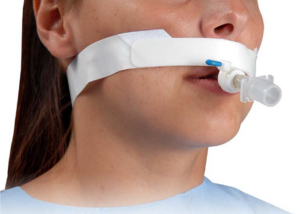
Why Does an Endotracheal Tube Need a Bite Block?
An intubated patient can bite down hard enough to compress or fully occlude an endotracheal tube, and a Bite Block exists specifically to stop that from happening. Placed alongside the

An intubated patient can bite down hard enough to compress or fully occlude an endotracheal tube, and a Bite Block exists specifically to stop that from happening. Placed alongside the
An ET Tube Holder secures the tube against the face with an adjustable strap system, holding it at the correct depth while spreading pressure more evenly than tape or ties
Maintaining the position of an ET Tube Holder is critical for effective airway management; even a minor movement can impact ventilation and, ultimately, patient well-being. Once intubated, the tube must
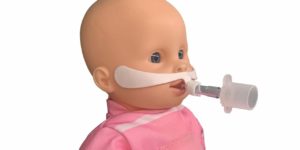
Endotracheal tube fixation has to remain stable through routine care events, moisture exposure, oral care, and changing sedation levels. When securement drifts, even slightly, clinicians can see it show up
Tube occlusion risk often builds during routine care rather than appearing out of nowhere. As sedation lightens, normal activities such as oral care, suctioning, or a turn can trigger brief
Airway securement is rarely a single step, especially once a patient begins to cough, move, or regain jaw tone. Clinicians need the tube to stay aligned, the circuit to remain
In veterinary anesthesia and critical care, airway security is a constant priority because small shifts can change ventilation, increase leak, and add risk during patient movement. A securement method needs

In the world of pediatric airway management, every second and every detail matters. For infants and small children, where fragile skin and delicate airways demand precision, the right device can
Every detail matters when you are going through a high-risk surgery, including how effective the tools to keep you safe are. A very important facet of airway management is making
In critical care, effective airway management can be the difference between stability and crisis. One of the most essential yet often underestimated tools for maintaining that airway is the Endotracheal Tube