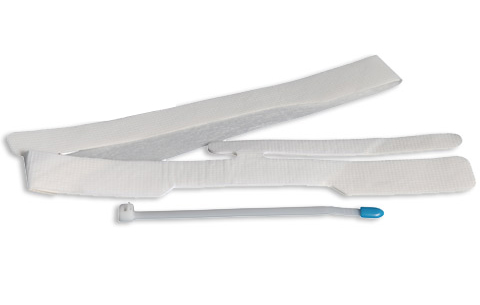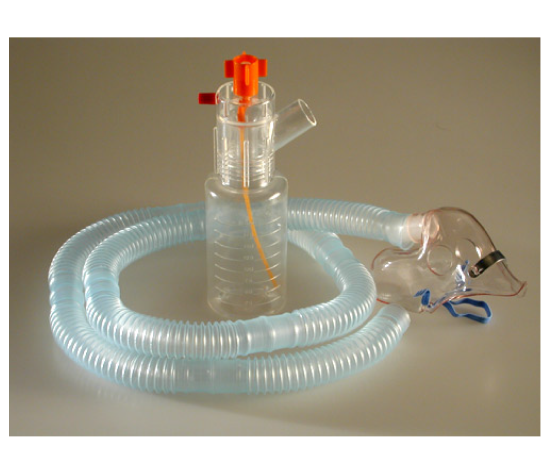
Airway securement is rarely a single step, especially once a patient begins to cough, move, or regain jaw tone. Clinicians need the tube to stay aligned, the circuit to remain supported, and the mouth to be protected from biting that can kink or occlude the tube. When those elements are managed together, ventilation remains more predictable, and bedside checks become faster and more consistent.
An Endotracheal Tube Holder paired with a bite block supports that combined goal by stabilizing the tube at the face while protecting the airway from sudden compression. This setup is often used when teams want a clear, repeatable routine for positioning, monitoring, and quick verification during routine care, transport, and sedation changes.
Bite Protection Risks During Sedation Changes
Biting risk increases as sedation lightens and jaw tone returns, and it can show up quickly during stimulation such as suctioning, turning, or procedural care. Even brief clenching can partially occlude the tube, increase the work of ventilation, and create sudden changes in airway pressures. A bite block helps protect the lumen so airflow remains more stable during these transitions.
Bite protection also helps reduce repeated tube handling. When the mouth is protected, and the tube is less likely to be compressed, teams can avoid frequent repositioning and re-taping that can irritate skin and disrupt alignment. For product-specific context on bite protection options, read Universal Bite Block (Adult)™ – Bite Block Solutions for ET Tube Protection for a detailed understanding.
What Clinicians Watch for as Jaw Tone Returns
As tone returns, teams often watch for small signs before a full bite event happens, including facial tension, sudden swallowing, coughing with tubing movement, or a change in ventilator waveforms that suggests intermittent obstruction. A quick look at the tube position at the lip line and a check for new circuit torque can help confirm whether the change is behavioral, positioning-related, or secretion-driven.
Fit and Placement Checks for Stable Tube Alignment
Stable placement starts with confirming tube depth and midline alignment, then securing the interface so it holds without creating avoidable pressure at the lips or skin. Clinicians look for a secure position that does not rotate during gentle circuit handling and does not migrate when the head is repositioned. A consistent check at the mouth helps catch small shifts early, before they show up as leak or ventilation changes.
Monitoring should stay tied to routine airway reassessments. Teams recheck after turning, after suctioning, and after any circuit adjustment that changes weight or pull at the face. When bite protection is part of the setup, clinicians also verify that the block is seated correctly and is not creating tissue irritation. For a broader overview of how bite blocks are selected and used, read Guide to Endotracheal Tube Bite Blocks to learn more.
Quick Verification Steps After Turning or Suctioning
After a turn or suction pass, a fast verification sequence helps prevent slow drift. Clinicians often confirm the lip reference mark, recheck bilateral breath sounds and chest rise, review capnography trend for stability, and ensure the securement tension feels even without pinching. When a change is caught early, a small adjustment can restore alignment before leak, pressure changes, or patient agitation escalates.
Moisture and Secretion Factors That Drive Tube Drift
Moisture and secretions can undermine adhesion and increase the chance of gradual drift, especially during longer support periods. Saliva, condensation, and frequent oral care create conditions where small edge lifting can become loss of position. Clinicians reduce this risk by keeping the interface clean and dry at the contact points and by checking that the circuit has support so it is not pulling forward on the tube.
Stability also depends on how the securement method is handled across shifts. When the same placement landmarks and inspection steps are used consistently, it becomes easier to notice early changes, correct them quickly, and avoid repeated rework. If you are comparing different securement approaches and use cases, read Endotracheal Tube Holders for more info.
Circuit Support Habits That Reduce Forward Pull
A stable face setup can still drift if the circuit is heavy or unsupported. Many teams reduce forward pull by adding slack, supporting the tubing along the bed or ventilator arm, and avoiding a straight line of tension from the circuit to the mouth. Small support changes can reduce torque at the lips and help the tube stay aligned through routine care and patient movement.
B&B Medical Technologies Support for Repeatable Airway Securement
B&B Medical Technologies supports airway care with product lines developed over many years in environments where securement has to stay reliable through moisture, repositioning, and routine handling. That long-standing work shows up in designs that prioritize stable tube alignment at the face, consistent bite protection, and fast visual checks at the mouth, so clinicians can confirm the setup during normal care cycles without disrupting ventilation.
The company also backs its offerings with practical guidance that helps teams use the same placement landmarks, tension checks, and reassessment habits across shifts and settings. When securement routines are consistent, drift is easier to spot early, small corrections happen sooner, and the airway plan stays more predictable during turning, suctioning, transport, and sedation changes. This combination of established products and repeatable workflows helps teams deliver steadier respiratory support with fewer interruptions.
Frequently Asked Questions
A combined setup helps stabilize tube position while reducing the risk of biting that can compress or occlude the tube. It supports more predictable ventilation during stimulation, movement, and lighter sedation.
They confirm tube depth and alignment, check that the interface does not rotate or migrate with gentle handling, and reassess after turning or suctioning. Consistent inspection at the mouth helps catch early drift.
Yes. Saliva and condensation can reduce adhesion and contribute to gradual movement. Keeping contact points clean and supporting the circuit helps reduce pull and slippage.
It reduces the risk from clenching, but occlusion can still occur from secretions, kinking, or positioning issues. Ongoing monitoring and airway checks remain essential.
It should be reassessed after repositioning, after oral care or suctioning, after circuit changes, and whenever ventilation or leak patterns shift. Early reassessment helps prevent larger alignment problems.