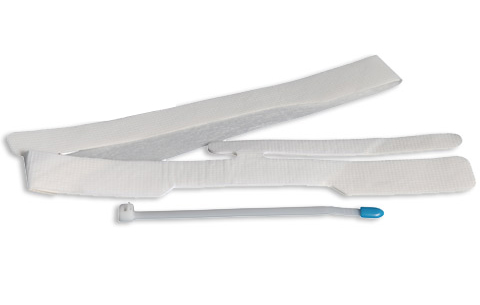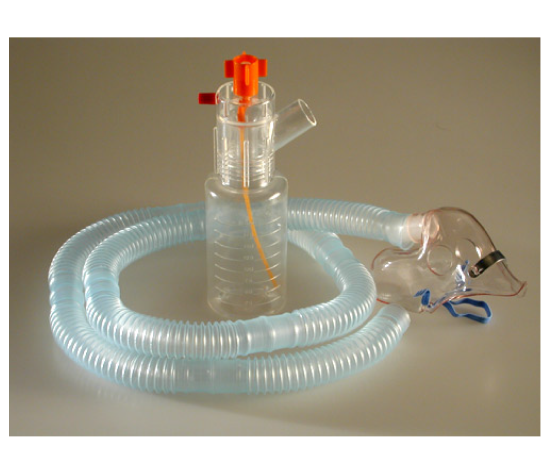
In veterinary anesthesia and critical care, airway security is a constant priority because small shifts can change ventilation, increase leak, and add risk during patient movement. A securement method needs to hold position through repositioning, oral moisture, and handling during procedures, while still allowing clinicians to inspect the mouth and respond quickly if the airway plan changes.
An endotracheal tube holder supports this goal by helping maintain a consistent tube position and reducing avoidable movement at the lips and oral structures. The best results come from a securement routine that is repeatable and easy to verify, so teams can keep focus on ventilation, oxygenation, and patient response rather than frequent re-taping or readjustment.
Anesthesia Phase Risks That Disrupt Veterinary Endotracheal Tube Securement
Tube securement matters because veterinary patients often move between induction, positioning, imaging, and recovery with multiple handoffs and equipment changes. Each transition creates opportunities for rotation, migration, or loosening, especially when the mouth is moist, and the patient’s jaw tone changes during anesthesia depth shifts. A stable approach helps reduce leaks and supports more predictable ventilation throughout the case.
It also supports a safer workflow for the team. When the position is stable, clinicians can focus on monitoring trends, managing secretions, and confirming airway patency without repeated manipulation at the mouth. If you want a broader overview of securement concepts and use cases, read Endotracheal Tube Holders to learn more.
Fit and Placement Checks for a Veterinary Endotracheal Tube Holder
Placement checks should begin with depth, alignment, and how the tube sits at the incisors before any device is tightened. Clinicians confirm the marking at the lip line matches the plan, then secure the interface so it holds firm without pinching soft tissue or pressing into the gums. A useful verification is to apply a light, controlled tug on the circuit and watch whether the tube rotates or migrates, because small movement under gentle load often becomes a larger drift once the patient is repositioned.
Monitoring should then follow the same cadence as other anesthesia safety checks. Teams reassess after repositioning, suctioning, and any circuit change that alters weight or torque at the mouth, and they document small shifts early rather than waiting for a leak or ventilation change. Visual checks at the mouth, confirmation of tie tension, and a quick review of breath sounds and capnography trends help confirm stability through the case. If you are comparing securement approaches with a focus on stability and patient risk, read Endotracheal Tube Holders Stability and Patient Safety for more info.
Moisture and Circuit Pull Factors That Affect Veterinary Tube Securement
Moisture and circuit pull are common reasons endotracheal tube securement fails during longer cases. Saliva, condensation, and oral secretions can reduce friction and allow gradual drift, especially when the circuit is heavy or the patient is repositioned repeatedly. A consistent approach to securing slack, supporting the circuit, and checking for small shifts helps reduce the need for repeated rework.
Movement risk can also increase during lighter planes of anesthesia and early recovery when jaw tone returns and coughing or swallowing begins. Clinicians may adjust monitoring cadence during these phases, confirm that the securement remains stable, and reassess if resistance, leak, or ventilation changes appear. For a deeper safety-focused view across anesthesia and intensive care workflows, read Endotracheal Tube Holders Patient Safety in Anesthesia & Intensive Care for a detailed understanding.
How B&B Medical Technologies Supports Veterinary Airway Securement
B&B Medical Technologies supports airway care with products built for day-to-day use in settings where patients are repositioned, circuits are adjusted, and moisture is always present. The company’s approach centers on securement that holds alignment under normal handling and remains easy to inspect at the mouth during routine checks, so clinicians can confirm stability without interrupting ventilation.
B&B Medical also backs its established product lines with practical guidance that helps teams use the same placement and monitoring habits across cases. When tube’s securement checks are consistent, it becomes easier to spot early drift, correct it before it affects ventilation, and make timely replacement decisions. This supports smoother case flow and gives clinicians more time to focus on patient response through anesthesia and recovery.
Frequently Asked Questions
It is used to help secure an endotracheal tube so the position remains stable during anesthesia, procedures, and recovery transitions. Stable securement supports more consistent ventilation and reduces avoidable tube movement.
Tape can work in many cases, but moisture, patient movement, and circuit pull can reduce reliability. Many teams use a structured securement method and verify stability after repositioning and suctioning.
Position is commonly checked after induction, after any repositioning, after circuit adjustments, and whenever ventilation or leak changes are noted. Small shifts can occur gradually, so routine checks help catch drift early.
Common signs include increasing leak, visible tube migration or rotation, changes in ventilation pressures, and securement that loosens after suctioning or movement. If stability cannot be restored reliably, the securement method may need to be replaced.
A holder can reduce avoidable movement and help maintain a consistent tube position, which supports safer ventilation management. Outcomes still depend on correct placement, monitoring, and patient-specific factors during anesthesia and recovery.