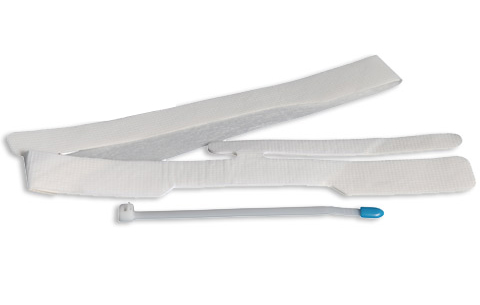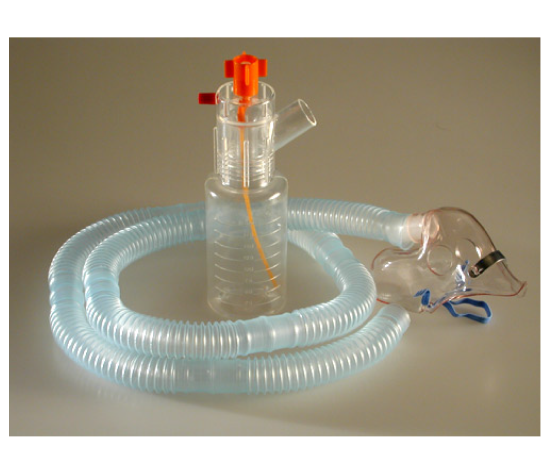
There’s no single number that applies to every baby. How often a Nebulizer gets used in a day depends on what’s inside the treatment cup, what condition is being treated, and how the baby responds during and after each session. A pediatrician’s prescription, not a general rule found online, should always be the final word on frequency for an individual infant.
Nebulizer Frequency Depends on the Medication, Not a Fixed Number
The single biggest factor in how often a Nebulizer gets used is what’s actually being nebulized. Saline solutions, used mainly to loosen mucus and moisten irritated airways, tend to carry a wider safety margin than medicated treatments like bronchodilators or inhaled corticosteroids. Medicated treatments come with their own dosing schedules built around the specific drug’s effects and risks, and those schedules aren’t interchangeable with a saline routine just because both use the same device.
This is why a pediatrician’s plan for one baby can look completely different from another baby’s plan, even if both babies present with similar-sounding congestion. The treatment inside the cup is doing the real work of determining frequency, and the nebulizer itself is just the delivery method.
Why Bronchodilators and Corticosteroids Follow Stricter Schedules
Medications like albuterol or inhaled corticosteroids affect heart rate, airway muscle response, and in some cases longer-term growth patterns if overused in very young children. Because of this, doctors typically prescribe these medications on a set schedule tied directly to the drug’s pharmacology, sometimes every four to six hours during an active flare, sometimes just once daily for maintenance therapy. That schedule isn’t something to adjust based on how a baby sounds in the moment. It reflects how the medication itself needs to build and maintain effect in the body.
How a Doctor Builds an Individual Treatment Plan
A pediatrician typically starts by identifying the underlying cause of a baby’s symptoms, whether that’s a viral illness, bronchiolitis, reactive airway symptoms, or simple congestion, before deciding on both the medication and the frequency. That diagnosis directly shapes the plan. Two babies who sound equally congested during an office visit can walk away with very different prescriptions if one baby’s congestion traces back to a cold and the other’s traces back to early wheezing that warrants closer monitoring.
Why Symptom Severity Changes How Often a Baby Needs Treatment
Doctors generally scale nebulizer frequency to how severe the symptoms are at a given moment, not to a static daily count set once and never revisited. Mild symptoms, light congestion or a slightly noisy chest, might call for once or twice daily treatment. More significant symptoms, active wheezing, a flare-up during a respiratory illness, or post-infection recovery, can call for considerably more frequent sessions, sometimes several times a day, always under a doctor’s direction.
This is also why parents shouldn’t think of frequency as fixed once a treatment plan starts. A baby’s symptoms can improve or worsen within the same day, and the appropriate treatment schedule should track that change rather than stay locked to whatever was prescribed at the initial visit, particularly during an active illness.
Tracking Symptoms Between Doctor Visits
Keeping a simple log of when treatments happen and how the baby responds afterward gives a pediatrician something concrete to work from at the next check-in or phone call, rather than relying on a parent’s general impression of “better” or “worse.” Noting feeding behavior, sleep quality, and how quickly breathing settles after each session can help a doctor decide whether the current frequency is still appropriate or needs adjusting.
Age and Airway Size Affect Safe Nebulizer Frequency in Infants
A newborn, a two-month-old, and an older infant don’t carry the same margin for error, even when treated with the exact same solution. Airway size, feeding patterns, and overall maturity all factor into how closely a baby needs to be monitored during and after treatment, and how quickly a caregiver should escalate a concern to the pediatrician rather than waiting it out. For a closer look at how these age-specific factors shape both frequency and the level of caution a caregiver should apply, see how often can you use a saline nebulizer on a baby? covers this in more detail, since a treatment plan appropriate for a six-month-old may need real adjustment for a much younger infant.
Why Newborns Need Closer Supervision During Treatment
A newborn’s airway is proportionally smaller and more sensitive than an older infant’s, which means even routine saline treatment tends to come with tighter supervision recommendations. Doctors often ask parents of very young infants to stay present for the entire session, watch closely for any change in breathing pattern, and report anything unusual immediately rather than waiting until the next scheduled check-in.
Saline vs Medicated Nebulizer Treatments Follow Different Rules
Saline nebulization gets used somewhat differently than medicated treatment, and lumping the two together is a common source of confusion for parents researching frequency online. A baby with thick secretions or short-term congestion might be managed on a fairly simple, clinician-directed saline routine. A baby with wheezing, bronchiolitis, or another diagnosed condition requiring a bronchodilator or steroid treatment needs a plan built specifically around that medication’s dosing guidance, which a doctor determines based on the drug itself, not a general nebulizer frequency chart.
Getting the saline solution’s concentration and volume right matters here too, since using more solution than intended doesn’t necessarily improve results and isn’t something to adjust without guidance. How Many mL of Sodium Chloride for Nebulizer for Baby? breaks down exactly how that volume gets determined for infant treatments, since concentration and volume affect the outcome as much as frequency does.
Why More Solution Isn’t Automatically More Effective
It’s a common assumption that a larger volume of saline will clear congestion faster, but nebulizer treatments are dosed to match a baby’s airway size and tolerance, not scaled up for perceived severity. Using more solution than prescribed can extend session length unnecessarily and, in some cases, increase the chance of the baby becoming fussy or resistant to future treatments, which makes ongoing care harder rather than easier.
Signs a Baby Is Getting Too Much Nebulizer Treatment
Watching how a baby responds during and after each session matters as much as sticking to a prescribed schedule. Increased fussiness, a faster heart rate than usual, jitteriness, or difficulty settling after treatment can all be signs worth mentioning to a pediatrician, particularly if they show up consistently after each session rather than as an isolated moment of discomfort.
Parents should never add an extra session on their own because a baby still sounds congested or seems uncomfortable between scheduled treatments. Increasing frequency beyond what’s prescribed, even with something as seemingly mild as saline, is a decision that belongs with the treating doctor, not something to troubleshoot independently at home.
Distinguishing Normal Fussiness From a Treatment-Related Reaction
Babies often fuss simply because they dislike having a mask held to their face, regardless of what’s inside the nebulizer cup. That kind of resistance is common and doesn’t necessarily point to a medication issue. What’s worth flagging to a doctor is a pattern, the same physical signs showing up reliably after each session, rather than a single instance of a baby being upset about the process itself.
When to Call the Pediatrician Instead of Adding Another Session
Certain signs call for a conversation with the pediatrician rather than simply running another nebulizer session and hoping it helps. Labored breathing, visible chest retractions, poor feeding, bluish coloring around the lips, or symptoms that keep returning despite following the prescribed schedule are all reasons to reach out promptly rather than wait for the next scheduled dose.
It’s also worth asking, periodically, whether the current treatment plan still makes sense, not just how often treatment is allowed. A plan that made sense at the start of an illness may need adjusting as symptoms evolve, and that reassessment should come from the pediatrician rather than from extending or shortening the interval between sessions independently. Respiratory concerns outside of congestion come up often, too. Can a Nebulizer Help With Dry Cough? looks at how nebulizer therapy applies to that specific symptom. And for households managing nebulizer therapy across more than one generation,
What Is the Best Nebulizer Medication for COPD? covers how treatment goals differ significantly for an adult chronic condition compared to infant respiratory care.
Frequently Asked Questions
There’s no fixed number that applies to every baby. Frequency depends on what’s being nebulized, the severity of symptoms, and the baby’s individual response, and it should always follow a pediatrician’s specific guidance rather than a general rule.
Saline solutions generally carry a wider margin of safety than medicated treatments, but frequency should still be guided by a doctor, since even saline shouldn’t be increased beyond what’s recommended without medical input.
No. Adding sessions beyond what’s prescribed should be discussed with a pediatrician first, even if the baby still seems uncomfortable between scheduled treatments.
Increased fussiness, jitteriness, a faster than usual heart rate, or difficulty settling after sessions are worth mentioning to a pediatrician, particularly if they occur consistently after treatment.
Contact the pediatrician promptly if a baby shows labored breathing, chest retractions, poor feeding, bluish coloring around the lips, or symptoms that keep returning despite following the prescribed treatment plan.