Yes, hydrocolloid tape is generally safe to use on the face, and dermatologists commonly recommend it for pimples, popped blemishes, and minor superficial wounds in facial skin. The material was designed for exactly this kind of use: it’s thin, flexible, and moves with skin that flexes constantly through talking, eating, and expression. The main considerations are where on the face it’s applied, how long it stays on, and whether the skin underneath has any sensitivity to adhesive. Used correctly, it protects a healing area and speeds recovery without causing additional damage.
Why Hydrocolloid Tape Works Differently on Facial Skin
Hydrocolloid tape is built from two layers. The outer layer, a thin sheet of polyurethane film or foam, forms a barrier against dirt, bacteria, and moisture. The inner layer contains gel-forming ingredients that absorb fluid from the skin underneath and turn into a soft gel as they do. That gel keeps the area moist, which supports faster healing than air-drying a wound or blemish ever does.
Facial skin benefits from this more than skin on other parts of the body. The face moves constantly, and thicker dressings tend to lift, crease, or peel at the edges within hours. Hydrocolloid material stays flexible and thin enough to follow the contours of the cheek, jaw, or forehead without pulling loose during normal daily movement.
Where on the Face Is the Hydrocolloid Tape Safe to Use
Hydrocolloid tape works well on most areas of the face when applied to intact or lightly broken skin. Common uses include:
- Popped or draining pimples
- Small cuts, scrapes, or nicks
- Post-extraction acne marks
- Minor surface burns
- Healing scabs that need protection from picking
Areas that call for more caution include the skin directly around the eyes, where the tissue is thin and sensitive, and the lips, where the adhesive doesn’t hold well against constant movement and moisture. A patch placed too close to the eye can also shift and cause irritation if it comes into contact with the eye itself.
How Hydrocolloid Bandages Handle Acne Specifically
Hydrocolloid bandages are one of the most studied over-the-counter tools for treating individual acne blemishes, particularly those that are already draining or have been popped. The gel layer draws out fluid and pus from the blemish while sealing it off from outside bacteria, which lowers the risk of the area getting reinfected or picked at during healing. Clinical comparisons have found that hydrocolloid patches reduce redness, oiliness, and dark spots faster than plain surgical tape over the same healing window.
Patches work best on papules, pustules, and cysts that already contain fluid. They do very little for blackheads, whiteheads, or deep cystic acne that hasn’t come to a head, since there’s no fluid for the gel layer to draw out. A deeper look at exactly how the healing process unfolds under the patch is covered in How Hydrocolloid Tape Heals Acne & Minor Wounds.
How to Apply Hydrocolloid Tape to Facial Skin
Getting the application right matters as much as choosing the right product. Follow this sequence for the best result:
- Wash the area with a gentle cleanser and pat it fully dry. Hydrocolloid adhesive won’t hold on to damp or oily skin.
- Select a patch size slightly larger than the blemish or wound, giving the adhesive edge enough clean skin to grip.
- Press the patch firmly into place, smoothing from the center outward to avoid trapping air underneath.
- Leave it undisturbed for the recommended wear time, generally 8 to 12 hours for a draining blemish or up to several days for a healing wound.
- Remove it slowly by stretching the patch sideways along the skin rather than pulling straight up, which limits irritation to sensitive facial skin.
How Long to Leave a Patch on Facial Skin
Wear time depends on what the patch is treating. A blemish patch used overnight typically needs 8 hours to fully absorb fluid, and many people see the best result leaving it on longer, up to 24 hours, until the patch turns white or opaque, a sign it has absorbed as much as it can hold. For a minor cut or scrape, a patch can generally stay in place for several days at a time, since the wound benefits from a longer moist-healing window. A closer breakdown of typical timelines across different types of skin concerns is available in How Fast Do Hydrocolloid Patches Work on Wounds?.
Signs a Hydrocolloid Patch Needs to Be Changed
A patch has done its job once any of the following happens:
- The gel center has turned white, cloudy, or fully opaque
- The edges have started lifting or curling away from the skin
- Fluid has visibly leaked out past the patch border
- The recommended wear time listed on the packaging has passed
Changing the patch at this point, rather than leaving the same one on longer, keeps the healing environment clean and prevents the saturated gel from sitting against the skin past its useful point.
When to Avoid Hydrocolloid Tape on the Face
Certain situations call for skipping hydrocolloid tape or checking with a dermatologist first. These include known sensitivity or allergy to adhesive bandages, active skin infections that haven’t been evaluated by a professional, and deep or actively bleeding wounds that need direct medical attention rather than an over-the-counter dressing. A patch test on the inner forearm, left in place for 48 hours, gives a reliable read on adhesive sensitivity before applying tape to visible facial skin. The mechanics behind why the material behaves this way on skin are explained further in How Does Hydrocolloid Tape Work?.
Using Hydrocolloid Tape on Open Facial Wounds
Hydrocolloid tape supports healing on superficial open wounds, including popped blemishes, shallow scrapes, and first-degree burns, but it isn’t designed for deep or heavily bleeding wounds. The full guidance on what qualifies as an appropriate open wound for this type of dressing, and when a different type of wound care is more appropriate, is detailed in Can You Use Hydrocolloid Bandages on Open Wounds?.
Showering and Washing Your Face With a Patch On
Hydrocolloid tape is waterproof by design, which means normal face washing and showering won’t compromise the seal. Gentle patting rather than scrubbing over the patch keeps the edges intact during a wash, and hot water or prolonged steam exposure can occasionally loosen the adhesive faster than expected. The specifics of how showering affects wear time and adhesion are covered in Can You Shower With Hydrocolloid Patches?.
Frequently Asked Questions
Yes. Hydrocolloid bandages are commonly used on draining or popped facial acne to absorb fluid, protect the area from bacteria, and reduce the urge to pick at the blemish while it heals.
Hydrocolloid tape is generally well tolerated on sensitive skin, though a patch test on the inner forearm for 48 hours is recommended first for anyone with a known adhesive sensitivity or history of skin allergies.
Hydrocolloid patches are not recommended for use directly around the eyes, since the surrounding skin is thin and delicate, and a shifting patch can cause irritation if it contacts the eye itself.
Wear time depends on the concern being treated. A blemish patch typically needs 8 to 12 hours to absorb fluid, while a minor cut or scrape can be covered for several days to support continuous moist healing.
Hydrocolloid tape is designed to reduce scarring risk by protecting the healing area from picking and outside contamination, and most users see no lasting mark once the underlying blemish or wound has fully healed.
B&B Medical Technologies: Precision Adhesive Solutions Since 1985
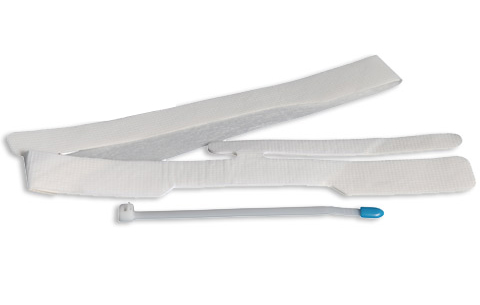
B&B Medical Technologies has built its reputation on securement and skin-contact devices engineered for sensitive and delicate skin, including its Baby Tape Plus line, a hydrocolloid-based endotracheal tube holder made specifically for infant skin that can’t tolerate harsh adhesives. That same standard applied to hydrocolloid material for critical care securement carries over directly to how well the material performs on facial skin in everyday use: gentle contact, a secure hold, and a barrier that supports healing rather than working against it. Since 1985, B&B Medical Technologies has focused on getting that balance right for the patients who need it most, from neonatal intensive care to everyday skin care.