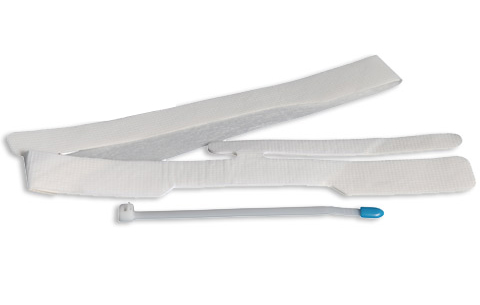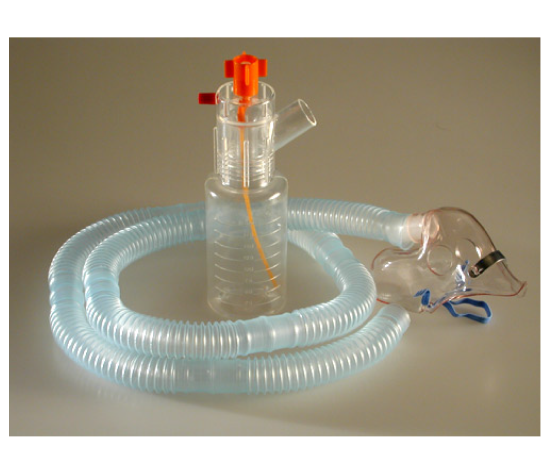
In neonatal, pediatric, geriatric, and critical care environments, the skin barrier may already be stressed by moisture, edema, repeated device contact, medical adhesives, cleansing routines, and reduced tissue resilience. If removal is rushed or poorly supported, the outer skin layers can lift with the adhesive, increasing the risk of redness, stripping, blistering, bleeding, or delayed healing.
Hydrocolloid Tape is often used to provide a cushion, moisture management, and protective barrier between skin and devices. Their value depends not only on how they are applied, but also on how they are removed. Safe removal protects skin integrity, preserves future securement sites, reduces avoidable discomfort, and helps clinicians continue respiratory, wound, or device-related care without creating a new tissue injury.
Why the Hydrocolloid Banage Removal Technique Is Important for Skin Protection
A hydrocolloid dressing forms a flexible contact layer that interacts with moisture and skin surface conditions over time. As the dressing warms and settles, adhesion may become more effective, particularly in curved areas, mobile tissue, or where pressure is applied by devices. Pulling the dressing upward may apply unnecessary pressure to the epidermis, and fragile skin cells may be lifted with the adhesive. This is especially concerning in premature infants, older adults, patients with edema, and patients who require repeated device securement.
Skin trauma during removal can also affect ongoing clinical care. If the same area is needed again for tubing support, respiratory interfaces, wound coverage, monitoring equipment, or protective dressing placement, skin stripping can reduce future adhesive tolerance. Once irritation begins, clinicians may have fewer intact areas available for safe securement. This is why removal should be treated as part of the care plan rather than an afterthought at dressing change time.
Safe removal depends on controlling how force is transferred across the skin during dressing release. Patient positioning, edge control, slow release, and skin support all help reduce unnecessary stress on fragile tissue while allowing clinicians to reassess whether another protective layer is still needed.
How Hydrocolloid Adhesion Changes Over Time
A Hydrocolloid Bandage does not behave like a simple strip of tape. Its adhesive layer responds to warmth, pressure, moisture, and wear time. In areas with perspiration, secretions, respiratory humidity, wound fluid, or occlusion from devices, the material may soften or swell. This can make the dressing easier to lift in some areas but more adherent in others. Uneven adhesion is one reason clinicians should avoid removing the entire dressing with one quick pull.
The dressing edge can also become embedded into skin folds, facial contours, or device pressure zones. In neonatal respiratory care, for example, protective barriers near the nose, cheeks, or upper lip may sit under interfaces or securement points where pressure and moisture change the way the material releases. In these locations, removal must account for both skin fragility and the shape of the area being protected.
Wear time should also guide removal planning. A dressing that has reached the end of its intended use may loosen naturally, while one removed too soon may still have strong adhesion. Consider earlier removal if the dressing becomes saturated, starts to lift or shift out of place, becomes contaminated, or causes pressure-related concerns. The timing of removal should be based on clinical assessment, product guidance, and skin condition.
Best Practices Before Removing Hydrocolloid Tape
Before removal, clinicians should check the skin, nearby devices, and the dressing edge. These simple checks reduce skin pulling during Hydrocolloid Tape removal.
Review of Skin and Dressing Condition Before Removal
The site should be carefully reviewed before the removal of Hydrocolloid Tape. Look for changes in skin color, swelling, fluid accumulation, lifting of the edges, dressing damage, patient discomfort, pressure from the device, and whether the dressing is still effective or not. If a respiratory interface, tube, sensor, or securement device is close by, removal should be coordinated to protect equipment position and ongoing care.
Stabilizing the Patient and Surrounding Devices
Preparation also includes positioning the patient so the skin is supported and visible. In fragile areas, the skin should be stabilized with one hand while the dressing is slowly released with the other. If the patient is an infant or medically unstable, the process may require an additional clinician to maintain device position, calm the patient, or protect the airway setup while the dressing is removed.
Planning the Direction of Low-Trauma Removal
Rushing preparation can increase trauma. A good removal technique begins before the adhesive is lifted. Clinicians should create a calm workflow, expose only the area needed, avoid unnecessary stretching of the skin, and decide the best direction of removal based on skin tension lines, device location, and dressing edge position.
How to Remove Hydrocolloid Tape With Less Skin Stress
The safest removal method usually begins at a loosened edge. Instead of pulling the dressing straight up, the edge should be eased back low and slow, keeping it close to the skin surface. This reduces vertical traction on the epidermis. As the dressing is removed, the surrounding skin should be supported in the opposite direction so the adhesive releases from the skin rather than pulling the skin with it.
For delicate skin, removal should happen in small sections. If resistance increases, clinicians should stop and reassess rather than continue to pull. Some facilities may use approved adhesive-removal products when appropriate for the patient population and dressing type. Product compatibility, age group, skin condition, and facility protocol should always guide whether an adhesive remover is suitable.
After removal, the site should be assessed for erythema, stripping, blistering, maceration, pressure marks, moisture injury, or residue. The next step should be based on what the skin shows. If the skin appears stressed, the care team may need to rotate the site, adjust device pressure, modify dressing choice, or allow recovery time before reapplication.
Skin Protection in Neonatal and Respiratory Care
Neonatal skin is especially vulnerable because the epidermal barrier is thinner, water loss is higher, and adhesive injury can occur with less force than in mature skin. When a Hydrocolloid Bandage is used near respiratory interfaces, feeding tubes, monitoring leads, or securement points, the dressing may protect against friction while also becoming part of a larger device-management system. Removal must therefore protect both skin integrity and the stability of nearby equipment.
Respiratory care creates additional challenges because nasal interfaces, tubing movement, humidified circuits, and repeated repositioning can gradually change how pressure is distributed across the skin. A hydrocolloid barrier may help reduce friction in these areas, but clinicians still need regular skin checks to identify early irritation, pressure marks, or moisture-related breakdown before injury progresses.
For respiratory teams managing connected equipment at the bedside, broader maintenance routines also matter. The guide How to Properly Maintain and Clean Your Nebulizer for Long-Term Use supports related education on keeping respiratory equipment clean, functional, and safer for repeated use.
Common Mistakes That Increase Skin Trauma
One common mistake is removing the dressing upward instead of back across itself. Upward pulling increases force on the skin and may cause epidermal stripping, particularly in fragile or moist areas. Another mistake is to remove the dressing too early because it looks as if it is loose at one edge. One corner can be easily lifted away, but the middle can still be very firmly attached, especially where some pressure or warmth would have increased the adhesion.
A second issue is ignoring moisture. Skin that is too wet, macerated, or exposed to secretions may tear more easily during removal. If the dressing has absorbed moisture or softened unevenly, the release may not be predictable. Clinicians should slow the process, support the skin, and reassess the site as they remove each section.
A third mistake is reapplying a new dressing to the same irritated site without adjusting the plan. If the skin shows redness, stripping, blistering, or pressure marks, placing another adhesive over the area may worsen injury. The care team may need to rotate the site, reduce device pressure, change securement technique, or select a different protective approach based on the patient’s condition.
When Hydrocolloid Tape Should Be Reassessed or Replaced
Hydrocolloid Tape should be reassessed whenever the dressing begins to lift, shift, wrinkle, collect moisture, show contamination, or interfere with device positioning. It should also be checked when the patient’s condition changes, such as increased sweating, edema, respiratory humidity exposure, agitation, skin color change, or new pressure from equipment. A dressing that was appropriate earlier in care may become less suitable as the clinical environment changes.
Replacement decisions should balance skin protection with removal risk. Excess and unnecessary changes can increase trauma to the skin, and leaving a compromised dressing in place can trap moisture, reduce protection, or allow for increased device friction. When possible, clinicians should aim to preserve skin protection while limiting unnecessary exposure to adhesives.
Clinicians should document what they see during reassessment, including skin response, dressing condition, device pressure points, and any changes made to the care plan. This helps the next clinician understand whether the site is improving, worsening, or becoming less tolerant of adhesive use.
B&B Medical Technologies and Skin-Safe Respiratory Workflows
B&B Medical Technologies develops respiratory and airway management products for clinical environments where device stability, skin protection, and bedside workflow all matter. In neonatal and respiratory care, clinicians often manage several competing priorities at the same time, including tube position, interface fit, suctioning access, humidification, secretion control, and tissue integrity. Protecting fragile skin is part of effective respiratory support since skin breakdown can impact device security, positioning, and tolerance during care.
The brand’s focus on respiratory care fits well with practical bedside needs where small details can impact patient safety. A secure interface that damages skin is not a successful setup, and a protective dressing that is removed poorly can create a new care problem. B&B Medical Technologies supports clinicians by emphasizing respiratory products and workflows that fit the realities of repeated assessment, device management, and careful patient handling.
How Hydrocolloid Removal Fits Into Broader Respiratory Care
Hydrocolloid use may seem separate from respiratory therapy, but in many clinical settings, it supports the same goal: maintaining effective care while protecting vulnerable tissue. Respiratory patients may need interfaces, tubing, sensors, nebulizer equipment, securement devices, or adhesive barriers over time. Each contact point can affect skin condition, patient tolerance, and the ability to continue therapy safely.
This is why adhesive removal belongs inside the broader respiratory workflow. A baby receiving respiratory support, a patient using repeated aerosol therapy, or a medically fragile patient with device-related skin exposure may need both respiratory equipment care and skin protection planning. For caregiver education connected to infant nebulizer use, How many mL of Sodium Chloride for Nebulizer for Baby? can provide additional context around safe respiratory-treatment routines.
Device handling, skin monitoring, and respiratory technique often overlap in daily care. For patients using aerosol therapy, the correct breathing method also affects treatment delivery and patient cooperation. The related guide, Exploring the Role of Continuous Nebulizers in Home Healthcare, can help readers understand how respiratory device use extends into long-term patient management and home-based care workflows.
Frequently Asked Questions
Remove it slowly from a loosened edge while keeping the dressing low and close to the skin. Support the surrounding skin with the other hand and stop if resistance increases. Don’t pull straight upward because that increases epidermal stress.
Skin damage can occur when the adhesive force is greater than the resistance of the skin barrier. Fragile, moist, edematous, premature, or repeatedly taped skin is more susceptible to stripping, redness, blistering, or irritation upon removal.
Remove it slowly and in small sections. Rapid removal can tear out skin layers along with the adhesive, especially if the dressing has become firmly attached or the skin is already stressed.
Some clinical settings may use approved adhesive-removal products, but compatibility depends on the dressing, patient age, skin condition, and facility protocol. Clinicians should follow product guidance and local policy.
It may need replacing if it lifts, wrinkles, becomes contaminated, retains moisture, moves out of position, or is no longer protecting the skin. Timing of replacement should balance skin protection with the risk of adhesive trauma from frequent removal.
The skin should be checked for redness, stripping, blistering, maceration, pressure marks, bleeding, or residue. Any change should guide whether the site needs rest, rotation, pressure relief, or a different dressing plan.
It may be used in neonatal care when indicated, but fragile neonatal skin needs careful application, monitoring, and removal. Use should be in line with facility protocol and patient-specific assessment.
They may be used as protective barriers in some respiratory-care settings to reduce friction or pressure exposure. Placement should not interfere with device function, interface fit, airway support, or ongoing skin assessment.