
How to Clean a Nebulizer Mask?
Cleaning a Nebulizer mask directly affects how consistently each treatment reaches the airways. The mask is part of the pathway that carries aerosolized medication toward the airways, so any dried

Cleaning a Nebulizer mask directly affects how consistently each treatment reaches the airways. The mask is part of the pathway that carries aerosolized medication toward the airways, so any dried

A newborn may need Bubble CPAP when breathing is possible but still too difficult to sustain efficiently without extra support. In the first hours or days after birth, some newborns
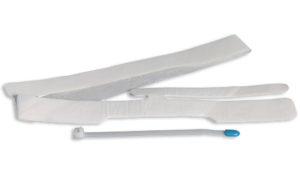
Knowing how long Hydrocolloid Tape should stay on matters because replacement timing affects both skin protection and healing progress. Leave it on too briefly, and the site may lose the
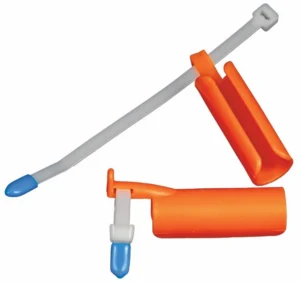
Eating with Bite Blocks can feel unfamiliar at first because they change how your teeth come together and how food is broken down. Instead of full contact across your bite,

Humidity is used in many ventilated respiratory-care settings because dry medical gas can irritate the airway and make secretions thicker and harder to clear. In intubated or tracheostomized patients, the

How aerosol enters the airway can influence lung medication delivery, treatment consistency, and patient tolerance during the session. A common respiratory care question is whether a mask or mouthpiece is
In neonatal, pediatric, geriatric, and critical care environments, the skin barrier may already be stressed by moisture, edema, repeated device contact, medical adhesives, cleansing routines, and reduced tissue resilience. If

Neonatal respiratory distress can progress quickly because the newborn lung has limited reserve, especially in premature infants with surfactant deficiency, weak respiratory muscles, fluid retention, or incomplete lung transition after
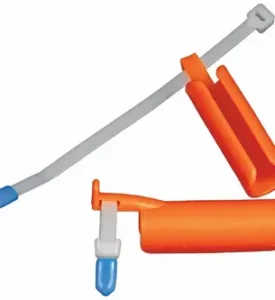
Oral airways and bite blocks may both be placed in the mouth during respiratory care, but they are designed to address very different airway problems. In mechanically ventilated patients, the
Mechanical ventilation depends on a stable airway, a protected tube position, and a care environment where the patient’s mouth, teeth, tongue, and soft tissues do not interfere with the respiratory