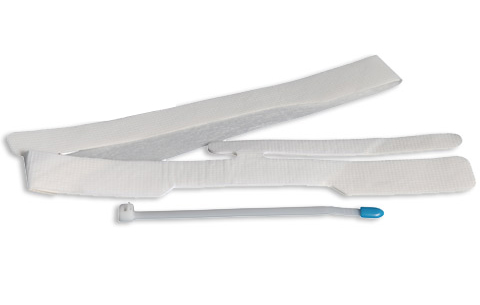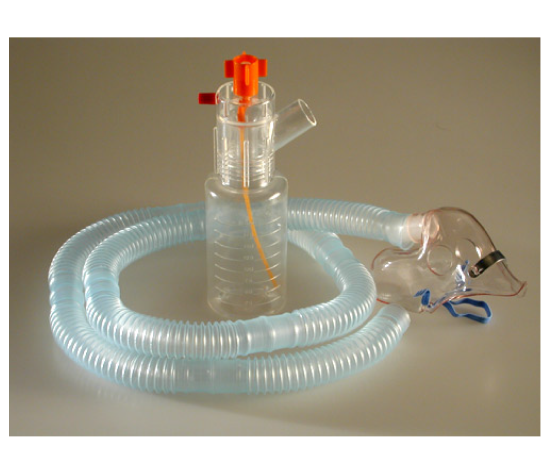
In neonatal and pediatric care, securement is not only about keeping a device in place. It is also about protecting fragile skin that can break down quickly under moisture, friction, and repeated tape removal. Baby Tape Plus is used in this setting because it is designed for gentle, predictable adhesion where caregivers need stability without aggressive removal forces.
A helpful way to understand the product is to think in terms of everyday bedside needs. Clinicians need securement that holds through routine handling, repositioning, and humidified airflow, while still allowing planned reassessment and clean, controlled removal. When securement is inconsistent, the care team spends time re-taping, skin irritation increases, and device position can drift between checks, which raises risk during respiratory support.
What Baby Tape Plus Is Designed to Do
Baby Tape Plus is used as a skin-friendly securement option in environments where the skin barrier is immature or already stressed. The aim is stable adhesion that supports common workflows, including airway device stabilization, line support, and dressing reinforcement, while minimizing edge lift and reducing shear that can irritate the epidermis.
In practical use, teams judge performance by three outcomes. The first is whether the material stays sealed at the edges when humidity and movement are present. The second is whether it maintains comfort and avoids skin stripping at removal. The third is whether it supports repeatable placement so staff can document where it was applied and reassess the site at the next interval with a clear comparison.
Where It Fits in Pediatric Airway and Securement Workflows
In respiratory support, securement is a clinical control point because it affects both device position and skin tolerance over time. Even small, repeated shifts can create localized shear, trap moisture under contact points, and change how a tube or interface sits, which can alter therapy effectiveness and increase the need for urgent re-taping. That is why many teams use a standardized approach that pairs securement with predictable placement landmarks, routine reassessment intervals, and clear documentation of what was used and where it was placed.
When airway stabilization is the focus, purpose-built holders help control alignment and reduce motion during handling, while complementary securement materials are used to protect contact areas and support edge seal in humidified environments. This combined approach makes troubleshooting more structured because clinicians can distinguish between device movement, adhesion failure, and skin intolerance, then adjust the plan without changing multiple variables at once. For a device-centered overview of pediatric airway stabilization, read Endotracheal Tube Holder Pediatric for an in-depth guide.
Application Checks That Improve Hold and Protect Skin
Stable adhesion of Baby Tape Plus starts with skin preparation that respects neonatal skin physiology. The area should be clean and fully dry, and placement should avoid stretching the skin, because tension increases the chance of blistering or edge lift. Clinicians also plan for how the patient will be positioned, because a tape line that crosses a high-motion fold can lift early, even when the material is high quality.
Once applied, the most useful checks are visual and functional. Staff confirms that edges are sealed, that there is no tenting or puckering, and that the secured device does not move with normal handling. At reassessment, the goal is to separate normal wear from true failure, meaning whether the securement is still controlling motion without creating redness, moisture trapping, or skin whitening at the contact area.
How Clinicians Decide When to Replace or Reposition
Replacement is usually driven by performance and skin findings rather than a fixed clock. If edges are lifting, if moisture is collecting under the material, or if device motion increases, the securement should be refreshed so the site can be inspected and stabilized again. Replacing too late can allow friction to build, while replacing too often can increase skin trauma from repeated removal.
At removal, controlled technique matters. Slow lift with skin support reduces epidermal stress, and the site should be reassessed for redness patterns, maceration, or any area that suggests pressure or shear. Those findings guide whether the next placement needs a different route, more border coverage, or added protection at a friction point—just as clinicians refer to resources like Benefits of Nebulizer for Cough: A Comprehensive Guide to understand how proper technique, device setup, and session management can optimize medication delivery and patient comfort.
B&B Medical Technologies and Pediatric Securement Solutions
B&B Medical Technologies has supported neonatal and pediatric care for decades with long-standing products built around bedside handling, documentation needs, and repeatable performance. In securement workflows, teams benefit most from materials that apply smoothly, hold predictably through routine care, and allow controlled removal so skin integrity can be protected over time.
Across NICU and pediatric pathways, B&B Medical Technologies focuses on offerings that help clinicians standardize technique and reduce variation between shifts, which supports clearer reassessment at the next check. When securement behavior is consistent, teams can document placement and skin response more cleanly, then adjust the plan based on the patient’s trend rather than repeated re-taping. For a broader view of how hydrocolloid-based materials are used across clinical applications, read Medical Uses of Hydrocolloid Tape for further learning.
Frequently Asked Questions
It is commonly used to support gentle securement where skin is fragile, and stability is needed through routine handling. Clinicians focus on edge seal, device stability, and skin response at each reassessment.
They avoid stretching the skin during placement, keep the site dry, and remove slowly while supporting the skin. They also reassess for redness, maceration, or shear patterns and adjust placement routes when needed.
Securement is typically changed when edges lift, moisture collects, or device motion increases. Skin findings such as worsening redness or whitening at contact points also prompt reassessment.
Yes. Humidified airflow, sweat, and moisture from secretions can weaken adhesion and increase edge lift. Clean, dry skin and thoughtful tape routing improve wear time.
For product-specific background, read Baby Tape Plus™ for an in-depth overview of design intent, clinical use, and placement considerations.