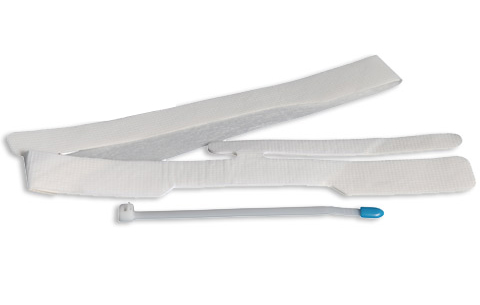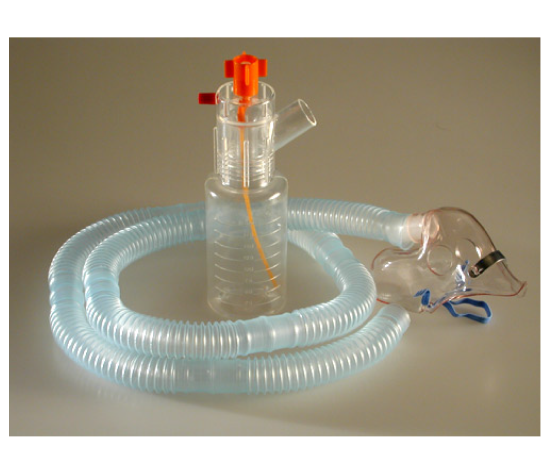
A cough can come from very different airway problems. Sometimes the lining of the bronchial tubes is inflamed and reactive, which tightens airflow and triggers a dry, repetitive cough. Other times, mucus sits in the smaller airways, and the cough is the body’s attempt to clear it, but the secretions are too thick to move easily. A Nebulizer can be useful in both patterns because it delivers medication as an inhaled mist that reaches the airways directly, rather than depending on digestion and bloodstream timing.
In clinical practice, nebulized therapy is usually chosen when symptom control depends on steady airway delivery. That includes patients who cannot coordinate an inhaler, are breathing quickly, are fatigued from coughing, or need a longer, calmer inhalation window to get the intended dose. When the therapy matches the cause of the cough, teams often see smoother airflow, less airway “twitchiness,” and secretions that become easier to mobilize.
How Nebulizer for Cough Therapy Targets the Airway
Nebulized medications work because they arrive where the symptoms are happening. If the cough is driven by bronchospasm or lower-airway inflammation, bronchodilators and anti-inflammatory medications can reduce airway tightening and irritation so the cough cycle does not keep restarting. If mucus is the main driver, saline-based therapies can help hydrate secretions, which supports more effective clearance and can reduce the constant urge to cough.
At the bedside, the practical advantage is control over the delivery window. A calm, several-minute treatment allows medication deposition even when the patient is not able to perform a strong, coordinated inhale. That matters for small children, older adults, and patients whose cough is disruptive enough that they cannot maintain a steady inhalation pattern.
When a Nebulizer Is the Right Tool for Cough Management
Providers often consider nebulized delivery when the goal is reliable airway dosing in real operating conditions. A common example is a patient with cough plus wheeze or chest tightness, where airway narrowing makes breathing feel “small” and effortful. In that scenario, the objective is not only to reduce coughing but to improve airflow, lower the work of breathing, and prevent a cycle where coughing further irritates the airway.
Nebulized therapy is also used when the inhaler technique is uncertain. Even with good instruction, some patients cannot time actuation and inhalation correctly, and young children may not generate enough inspiratory flow for certain devices. In those cases, nebulization provides a consistent alternative that is less dependent on coordination while still supporting a targeted respiratory treatment plan. If the cough treatment question involves an infant, read Is Nebulizer Safe for 2 Month Old Baby for a deeper look at safety considerations and caregiver technique.
How a Nebulizer Improves Treatment Consistency at Home and in Care Settings
Cough care often fails for a simple reason: the medication plan is correct, but delivery is inconsistent. Nebulized treatments support adherence by simplifying the steps. The patient breathes normally through a mask or mouthpiece for a set session, which reduces the chance that poor technique leads to underdosing and persistent symptoms.
Consistency also comes from repeatable setup and observation. Care teams and caregivers can verify that mist output is present, the interface fit is stable, and the treatment duration is long enough to finish the dose. When symptoms are trending poorly, that repeatable process helps separate “the condition is worsening” from “the medication was not delivered as intended.”
For deeper workflow guidance on longer-duration delivery models used in certain clinical pathways, read Continuous Nebulizers: Enhancing Respiratory Care with Uninterrupted Treatment for an in-depth overview.
Practical Setup Checks That Affect Real-World Results
How Many Types of Aerosol Therapy? Small setup details can change what reaches the airway, regardless of the type of aerosol delivery. A loose mask fit can waste medication into the room, while a poorly positioned mouthpiece can reduce deposition to the lower airways. Patient posture also matters—upright positioning tends to support more even airflow and better comfort during coughing episodes. When nebulized therapy is used for children, minimizing agitation and keeping the seal gentle but stable often improves delivery more than increasing session frequency.
Cleaning and drying practices should follow the device instructions for use, because residue and moisture can affect performance and contamination risk. In clinical environments, standardized cleaning workflows also support predictable therapy from patient to patient, which matters when cough management is part of a broader respiratory pathway. Understanding how many types of aerosol therapy exist—nebulizers, metered-dose inhalers, and dry powder inhalers – helps clinicians select the right approach for each patient while maintaining optimal delivery.
B&B Medical Technologies and Respiratory Aerosol Delivery
B&B Medical Technologies builds respiratory devices around how aerosol therapy is actually delivered in day-to-day care. In practice, clinicians need predictable mist output, stable connections, and interfaces that support comfortable breathing while a patient is coughing, restless, or breathing quickly. Those details reduce interruptions and help teams keep therapy sessions consistent across shifts and handoffs.
For facilities that standardize aerosol therapy, B&B Medical Technologies supports repeatable setups that are easier to teach, easier to troubleshoot, and easier to document. When a device behaves consistently, teams spend less time correcting delivery variables and more time assessing the patient’s response, which is the most meaningful measure in cough-focused respiratory care.
Frequently Asked Questions
Nebulized therapy is commonly used when a cough is linked to lower-airway irritation, tightening, or mucus retention. The best fit depends on the diagnosis and the medication plan, not the cough alone.
Many nebulized doses are delivered over several minutes, and the goal is to complete the full volume rather than stop early when symptoms briefly ease. Your clinician may adjust the duration based on medication and device type.
Yes, when the medication plan includes therapies that hydrate or loosen secretions. Effective mucus clearance also depends on positioning, hydration status, and whether the patient can cough effectively.
Leak around the mask, short sessions that do not finish the dose, poor cleaning that affects device performance, and using therapy for the wrong cough mechanism are common causes. A quick technique review often improves results.
Seek urgent care if there is visible breathing distress, persistent retractions, bluish color around the lips, signs of dehydration, unusual sleepiness, or worsening symptoms despite treatment. These signs can indicate that airway support needs to be escalated.