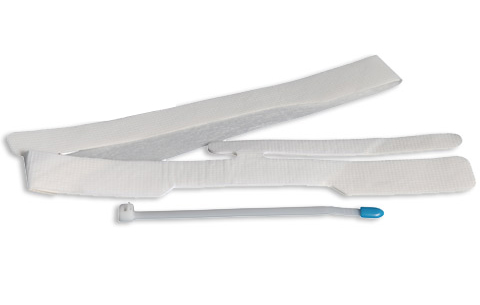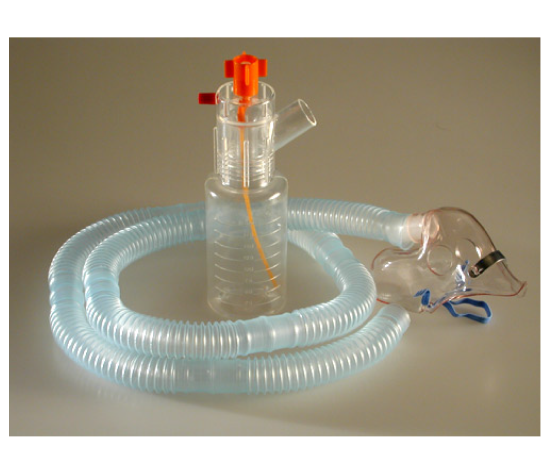
Cleaning affects how consistently aerosol therapy is delivered and how safe repeated treatments are over time. A Nebulizer is only as reliable as the routine that keeps its cup, interface, and air pathway free of residue and trapped moisture. Residue that dries inside the medication cup, moisture that stays trapped after a session, and masks or mouthpieces that never fully dry can all change comfort, airflow, and contamination risk, even when the setup looks fine at a glance. When treatments are scheduled daily, small cleaning gaps tend to show up as odor, visible film, or sessions that feel less consistent.
A routine works best when it is built around repeatable checkpoints, including what happens after every treatment, what is done once daily, and what is handled on a weekly schedule. This guide breaks those steps down in a way that is easy to follow without oversimplifying the parts that matter. If you want a broader overview of device types and care settings, read Nebulizers to learn more.
After Each Nebulizer Treatment: Rinse and Dry Steps That Prevent Buildup
Start by washing your hands and disconnecting the medication cup, mask, or mouthpiece, and any removable connectors. Discard leftover medication according to the prescription and device instructions, then rinse the cup and patient interface with warm water to remove residue before it dries. This prevents film that can cling to surfaces and makes the next wash more effective.
Shake off any extra water after rinsing and then lay the parts out on a clean paper towel. Let them air dry in a well-ventilated space. Don’t put things away while they’re still wet; closed containers can hold moisture, which can lead to smells and contamination. For infants or patients with compromised health, making sure everything is thoroughly dried is a crucial step in maintaining their well-being.
Daily Wash Routine for a Nebulizer: Soap Cleaning That Keeps Parts Clear
Once daily, wash the medication cup and patient interface in warm water with a mild dish soap. Use a clean basin reserved for medical items rather than washing directly on a sink surface, then rinse thoroughly so no soap remains. Residual soap can irritate airways and change how the treatment feels, so the rinse matters as much as the wash.
Allow full air drying on a clean surface. In humid environments, drying takes longer, and storing parts too early is a common reason film and odor develop. Keeping parts fully dry also makes assembly easier and reduces sticky residue at connection points.
Weekly Disinfection: When and How to Sanitize Safely
Disinfection routines vary by manufacturer, so always follow the instructions for your specific Nebulizer Machine. Many home systems allow periodic disinfection of the cup and patient interface using a vinegar and water method or a heat-based option, depending on what the components can tolerate. The purpose is to reduce microbial load beyond daily washing, especially when treatments are frequent.
Patients with frequent treatments, thick secretions, or higher infection risk often benefit from more consistent disinfection. After disinfection, parts still need thorough rinsing and complete air drying, because residue and trapped moisture can both create problems. If you want a structured maintenance schedule and common mistakes to avoid, read How to Properly Maintain and Clean Your Nebulizer for Long-Term Use for a detailed understanding.
Parts You Should Not Wash and When to Replace Them
Not every component should be washed. Most compressors should be wiped externally only, and tubing is often not designed to be cleaned because moisture inside can remain trapped. If tubing becomes wet internally, discolored, or develops a persistent odor, replacement is usually safer than trying to dry it out.
Masks, mouthpieces, and cups wear out over time, especially with frequent use. Cracks, clouding, loose fits, or seals that no longer sit snugly can change delivery and make cleaning less effective. Replacing worn components on schedule helps keep treatments consistent and prevents cleaning routines from being undermined by aging parts.
Storage Between Sessions: Keep Parts Dry and Protected
Storage is part of cleaning for any Nebulizer Machine. Fully dry components should be kept in a clean, breathable container or a designated area away from dust and humidity. If the device is stored in a closed case, confirm everything is dry first, because trapped moisture is one of the most common reasons odor and film return. If the device is stored in a closed case, make sure everything is dry first, because even a small amount of trapped moisture can lead to odor and film.
A consistent storage routine prevents the cycle of re-cleaning parts that were put away damp. It also makes setup faster, because the cup and interface are ready to assemble without extra rinsing or wiping right before a treatment.
B&B Medical Technologies Support for Consistent Aerosol Therapy
B&B Medical Technologies supports respiratory care workflows where consistency matters across repeated treatments, including practical guidance that helps caregivers keep a nebulizer machine running cleanly and consistently. Cleaning and maintenance routines are part of that consistency, because reliable delivery depends on components that stay free of residue, fully dry between sessions, and are replaced when wear begins to affect fit or performance. This same attention to routine is especially important when administering an Ipratropium Bromide Nebulizer for Infants, where steady dosing and dependable equipment play a key role in effective care.
B&B Medical Technologies also develops respiratory care products with day-to-day use in mind, including practical setup habits and repeatable handling. When caregivers follow a clear routine and equipment is maintained properly, treatments are easier to deliver, monitoring is more reliable, and aerosol therapy stays steadier over time – supporting consistent outcomes, particularly in sensitive applications like an Ipratropium Bromide Nebulizer for Infants.
Frequently Asked Questions
Most parts should be rinsed after each treatment and washed daily. Disinfection frequency depends on the device instructions and the patient’s risk profile.
Tubing is often not meant to be washed because moisture can remain trapped. If tubing becomes wet internally, discolored, or smells, replacement is usually recommended.
Odor often comes from trapped moisture or incomplete drying. Full air drying and periodic disinfection help prevent this.
Sharing increases contamination risk unless each person has their own patient interface and parts are cleaned and disinfected correctly. Many clinicians recommend avoiding shared use when possible.
Replace parts when they are cloudy, cracked, no longer fit tightly, or when performance changes. Following the manufacturer schedule helps keep delivery consistent.