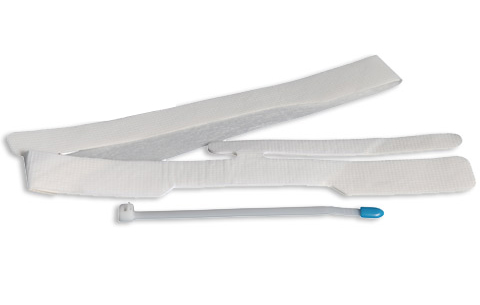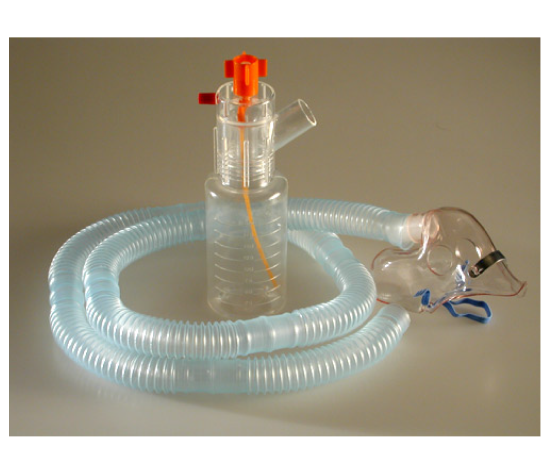
CPAP is a broad clinical concept. It refers to continuous positive airway pressure delivered to a spontaneously breathing patient to help keep airways open and maintain lung volume between breaths. In neonatal care, the decision is not only whether CPAP is needed, but which CPAP system will deliver stable pressure in a way the infant can tolerate, while fitting the workflow of the unit. For many newborn pathways, Bubble CPAP is considered early because it offers noninvasive pressure support with straightforward bedside verification.
The practical difference between standard CPAP and bubble-based CPAP is how pressure is generated and how clinicians confirm that support is behaving as intended. Standard CPAP systems typically rely on a mechanical pressure source and controls within a ventilator or CPAP device, while bubble systems use a water seal to set pressure and produce visible bubbling that acts as a live performance check. That difference affects troubleshooting, leak sensitivity, and how consistently delivered pressure remains during handling and routine care.
What CPAP Means in Neonatal Respiratory Support
In the NICU, CPAP is used when an infant is breathing spontaneously but shows signs that the lungs are not staying comfortably open between breaths. Continuous pressure helps maintain functional residual capacity, so alveoli are less likely to collapse at end exhalation, which can reduce retractions, improve oxygenation stability, and lower the effort required to take the next breath. Clinicians commonly start with a modest pressure level and then adjust based on the infant’s bedside response, since the right setting is the one that reduces the work of breathing without creating unnecessary leak, gastric distension risk, or discomfort.
Delivered pressure is also influenced by factors that are easy to underestimate in neonates. A small change in prong size, mouth position, or head turn can increase leak and reduce effective pressure at the nares. Circuit resistance, humidification, and condensation can further change how the system behaves over time. Because of this, teams reassess more than a number on a screen. They look for a trend toward easier breathing, a stable oxygen requirement, fewer apneic episodes where relevant, and a calm, well-supported infant with a secure interface and minimal skin stress.
How Standard CPAP Systems Generate and Control Pressure
Standard CPAP is often delivered through ventilator-based CPAP or dedicated noninvasive devices that regulate pressure using internal valves, flow control, and monitored feedback. Clinicians set a target pressure and adjust flow, oxygen blending, and alarms based on the infant’s response. These systems can provide precise settings and integrated monitoring, which support structured escalation and reassessment pathways.
At the same time, performance is still affected by interface stability and leaks. When leaks increase, the system may increase flow to maintain the target pressure, which can change noise, comfort, and drying burden if humidification is not well matched. Troubleshooting often starts with interface fit and circuit checks, then moves to whether the device is compensating appropriately for the leak profile.
How Bubble CPAP Generates Pressure and Why Bubbling Matters
Bubble systems set pressure using the depth of the expiratory limb submerged in water. When flow is adequate and the seal is stable, the water column functions as a simple and dependable pressure reference. Bubbling occurs as gas vents through the submerged tube, and the bubble pattern provides immediate visual confirmation that flow is reaching the water seal.
Clinicians use the bubbling pattern as a practical performance signal. A steady bubble pattern suggests stable flow and consistent pressure behavior, while weak, absent, or erratic bubbling often points to low flow, a kink, a loose connection, or a significant leak at the interface. For a bedside refresher on setup and clinical use, read Bubble CPAP for a deeper overview.
Bedside Selection Factors That Drive the Choice
NICU teams typically start selection by matching the system to the infant’s respiratory mechanics and tolerance. If the infant has rising work of breathing, fluctuating oxygen needs, or frequent disruption from handling, the priority becomes delivered pressure stability and a circuit behavior that staff can verify quickly at the bedside.
The next selection factor is how the unit intends to monitor and troubleshoot support. Some pathways prioritize integrated device monitoring and alarm management, while others prioritize visible confirmation of pressure behavior and simplified adjustment. In either case, consistent interface fit and humidification are treated as core parts of the decision because they influence comfort, secretion management, and pressure delivery over time.
For a structured clinical explanation of bubble system fundamentals, read What Is Bubble CPAP? for an in-depth understanding.
Advantages and Practical Tradeoffs in Daily NICU Care
Bubble systems are often valued for straightforward pressure setting and the ability to use bubbling as a continuous bedside check. That can reduce uncertainty during quick assessments, especially when a change in bubbling pattern immediately signals a leak or flow issue that can be corrected before escalating support.
Standard CPAP systems can offer tighter integration with monitoring and alarm functions, which can be useful for documenting trends and coordinating escalation pathways. The tradeoff is that troubleshooting may rely more on device feedback plus structured checks, rather than an always-visible water seal signal. For a focused comparison of benefits in newborn workflows, read Advantages of Using a Bubble CPAP System for Newborns to learn more.
Common Types of Bubble CPAP Setups Used for Neonates
Bubble CPAP can be implemented through different circuit and interface configurations, and those differences matter when leaks, comfort, and humidification needs change. Units may standardize around specific interfaces, tubing resistance profiles, and humidification approaches to reduce variability and improve training consistency.
Understanding what varies between configurations helps clinicians troubleshoot more efficiently. When staff know the circuit behavior they expect, they can identify whether the issue is a seal problem, a flow problem, or a positioning problem without repeatedly changing multiple variables at once. For a practical breakdown of configurations used in neonatal care, read Types of Bubble CPAP for Neonates for further reading.
B&B Medical Technologies and Neonatal Noninvasive Support
B&B Medical Technologies has supported neonatal respiratory care for decades with long-standing products and system components that align with how NICU teams manage noninvasive support at the bedside. In practice, clinicians benefit from equipment that delivers predictable pressure behavior, maintains stable connections through handling, and provides clear checkpoints that help staff confirm settings during routine care, repositioning, and handoffs.
Across neonatal CPAP workflows, B&B Medical Technologies focuses on offerings that support repeatable setup and consistent circuit behavior so teams can train with shared expectations and troubleshoot with fewer variables. When the system behaves predictably, clinicians can focus on the infant’s trend, including work of breathing, oxygen requirement, and comfort, and they can make adjustments based on response rather than repeated circuit uncertainty – just as orthodontists track questions like “How long does it take for bite blocks to wear down?” to anticipate when intervention or replacement is needed.
Frequently Asked Questions
Both provide continuous positive airway pressure, but they generate and confirm pressure differently. Bubble systems use a water seal and visible bubbling, while standard systems typically rely on device controls and monitored feedback.
Bubbling confirms that flow is reaching the water seal and that the circuit is venting as intended. A change in bubbling pattern often signals leaks, low flow, kinks, or loose connections.
Choice depends on the unit’s pathway and the infant’s needs. Standard systems may be preferred when integrated monitoring, alarm management, and structured escalation are priorities.
Loss of bubbling from low flow, interface leaks, tubing kinks, or displaced water depth are common issues. Bedside checks typically start with the seal, connections, and water level stability.
They reassess work of breathing, oxygen requirement, respiratory rate, and overall comfort over time. The goal is steady improvement in breathing effort and oxygen needs with a stable interface and predictable circuit behavior.