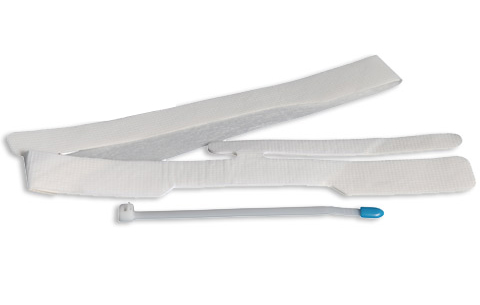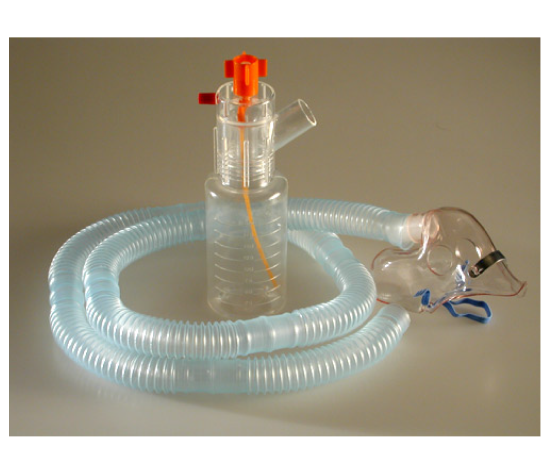
In airway care, bite blocks are used to help protect the tube from occlusion and reduce biting-related disruption during care. It is most common when a patient is intubated, and agitation, lighter sedation, or recovery phases make jaw clenching more likely. How long the device lasts is influenced by bite force, moisture exposure, and how often it is repositioned during routine care.
Clinicians treat duration as a practical safety decision rather than a fixed number of hours. During oral care and airway checks, they look for early deformation, loss of stability, and any sign that the device is no longer protecting the tube or the surrounding tissue. When these checks are built into standard work, replacement becomes more consistent across shifts.
What Determines Bite Block Lifespan at the Bedside
At the bedside, a bite block lasts as long as it can keep its shape and stay stable without creating a pressure injury. Jaw clenching is the biggest driver of early wear, especially when a patient is waking, coughing, or fighting the tube. Moisture matters as well. Heavy secretions can increase slippage, soften contact points, and make small shifts more likely during suctioning and routine mouth care.
The rest of the airway setup influences lifespan more than most teams expect. When tube securement is steady, and the bite block remains aligned, there is less handling, fewer micro shifts, and fewer pressure points on the lips and gums. When the patient is moving more, biting repeatedly, or the securement is loosening, earlier replacement is usually the safer choice because function drops before obvious damage appears.
Signs a Bite Block Should Be Replaced
Replacement is considered when the device stops protecting the tube reliably or begins to create tissue risk. Visible deformation, cracking, fraying, or a noticeable change in firmness can allow the bite block to compress under pressure, which reduces protection when clenching occurs. Movement out of position is another important warning sign. If the bite block is sliding, it may leave the tube exposed to biting and can shift pressure onto the lips, teeth, or gums.
Tissue response often shows problems before the material looks damaged. If inspection reveals new redness, swelling, blanching, or sore spots where the bite block rests, clinicians often reposition first and reassess within the next care cycle. If pressure cannot be relieved or the device continues to drift, replacing it helps prevent mucosal injury and keeps tube protection consistent.
Placement and Oral Care Practices That Extend Safe Use
Clinicians position the bite block so it stays secure without forcing the mouth open more than needed, and they confirm suction access remains easy from the start. Once placed, teams recheck alignment after turning, repositioning, or transport because small shifts can change both protection and pressure. If a patient has a stronger bite force, the device may need closer checks during lighter sedation periods, when clenching is more likely.
Oral care is often the first structured time to catch early changes, so it should include a quick function review. Suctioning secretions, keeping the mouth clean, and watching for pooled moisture help reduce slippage and irritation. During care, clinicians look for early pressure points, confirm that the device has not migrated, and verify that the tube remains protected during jaw movement. This routine supports comfort and helps extend safe use without taking risks.
For orthodontic use cases, read Bite Block for Braces to learn more about where bite blocks fit into comfort and protection goals.
How Use Case Changes Expected Duration
Expected duration changes based on why the device is being used and what risk matters most in that setting. In airway management, the priority is continuous tube protection and stable positioning, so clinicians replace the tube sooner when wear, slippage, or tissue pressure appears. That approach keeps protection reliable during changes in sedation level, coughing, and routine care, when bite force and movement can spike.
In orthodontic care, bite blocks are used for bite guidance and bracket protection, so the expected wear pattern is different, and timelines follow the dental plan. The practical takeaway is that there is no single timeline that fits every setting. A consistent inspection routine and replacement decisions based on fit, function, and tissue response support safer use. If your team is comparing how bite blocks behave in different settings, read How Does Bite Blocks Help With Braces? for a detailed understanding.
B&B Medical Technologies Support for Airway Protection
B&B Medical Technologies brings a long track record in respiratory care, with products developed around the realities of airway management during busy bedside workflows. That history supports designs that stay secure, remain easy to assess during routine mouth care, and maintain predictable behavior when patients are turned, transported, or moving through different phases of sedation. When equipment performs consistently, teams can spend less time correcting positioning and more time watching patient comfort, airway patency, and overall respiratory status.
B&B Medical also supports its established product lines with practical use guidance that helps units align on the same checks and handling habits. Standardizing how devices are placed, inspected, and replaced helps reduce disruptions related to migration, wear, or tissue pressure, and it supports smoother handoffs across care settings. Over time, that shared approach strengthens training and documentation while helping clinicians recognize early changes that indicate replacement should happen sooner rather than later.
Frequently Asked Questions
A bite block can stay in place as long as it maintains structure, stays positioned, and does not create pressure injury. Clinicians typically reassess during routine oral care and airway checks and replace it when wear or slippage appears.
Frequent biting, heavy jaw clenching, repeated repositioning, and high moisture exposure can increase wear. Devices may also degrade faster when they require constant adjustment to stay aligned.
They look for deformation, cracks, loss of stiffness, or a device that slips out of position. They also check the lips, gums, and mucosa for pressure marks or irritation linked to the bite block.
Yes, it can if it is positioned poorly or if pressure points develop over time. Regular inspection, repositioning when needed, and timely replacement help reduce that risk.
Yes, bite blocks can be used in orthodontic care and other dental settings for bite guidance and comfort. The expected duration and replacement timing depend on the specific use case and clinician guidance.