
What’s the Age Limit for Bubble CPAP?
When clinicians discuss an age limit for Bubble CPAP, they are usually asking whether stable pressure delivery and a clear physiologic response are realistic for that patient. NICU clinicians and

When clinicians discuss an age limit for Bubble CPAP, they are usually asking whether stable pressure delivery and a clear physiologic response are realistic for that patient. NICU clinicians and

Tube occlusion risk often builds during routine care rather than appearing out of nowhere. As sedation lightens, normal activities such as oral care, suctioning, or a turn can trigger brief

Hydrocolloid dressings are used because they protect irritated skin while supporting a more stable healing environment. Instead of leaving a minor wound or rubbed area exposed to friction, the dressing
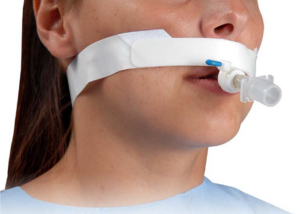
Airway securement is rarely a single step, especially once a patient begins to cough, move, or regain jaw tone. Clinicians need the tube to stay aligned, the circuit to remain
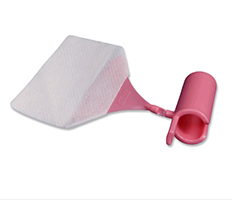
Bite blocks are used in orthodontics when the bite needs a little guidance during treatment, but they are not added for every braces patient. Whether someone needs Bite Blocks depends on

Parents often hear “saline” mentioned alongside inhaled treatments, then get stuck on one practical question. How many milliliters should be placed in the cup so therapy runs correctly, and the
Hydrocolloid dressings were first used to protect skin and support wound healing, and that same protective behavior is why people ask about acne. When a pimple is superficial and already
In veterinary anesthesia and critical care, airway security is a constant priority because small shifts can change ventilation, increase leak, and add risk during patient movement. A securement method needs
In airway care, bite blocks are used to help protect the tube from occlusion and reduce biting-related disruption during care. It is most common when a patient is intubated, and agitation,
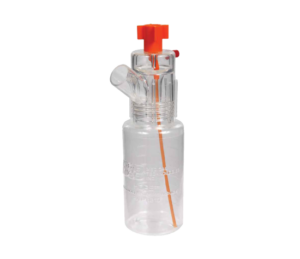
Aerosol therapy depends on consistent output and patient tolerance, so device choice matters at the bedside. The right option depends on the medication volume, the expected treatment duration, and the