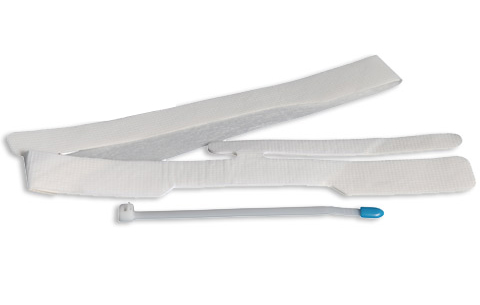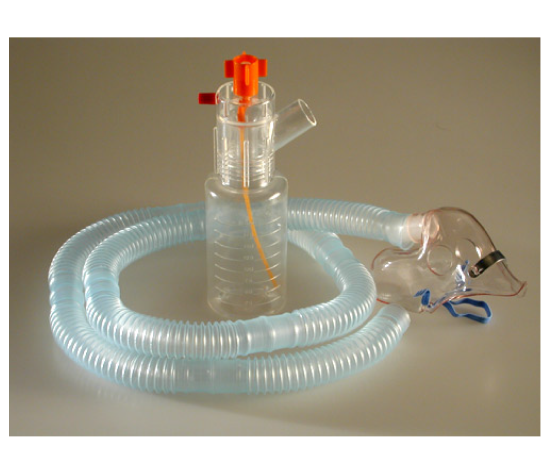
How long Bite Blocks take to wear down depends less on a fixed timeline and more on how the bite is functioning while treatment is in progress. Bite Blocks are placed to change where pressure lands when the mouth closes, which means they are meant to take repeated contact while protecting brackets, guiding bite changes, or preventing certain teeth from meeting too early. Because they sit in the path of force every time a patient chews or bites down, wear is expected over time. The real question is not whether they wear down at all, but how quickly that happens under a specific bite pattern.
Some patients notice very little change for a long period, while others feel the surface flatten sooner because their contact is heavier or more concentrated in one area. That is why Bite Blockers do not wear at the same rate in every case. Chewing habits, the strength of the bite, where the blocks were placed, and how the teeth begin to move during treatment all influence how long they remain active. Understanding that pattern helps patients make sense of what feels normal, what signals progress, and when a change should be checked by the treating provider.
Why Bite Blocks Wear Down At Different Speeds
Bite Blocks wear down according to the amount and pattern of pressure they absorb each day. If contact is light and spread out, the material may last longer with only gradual surface change. If the bite closes with more force in one concentrated area, the block may flatten sooner because the same point keeps taking repeated impact. This is one reason wear can look uneven from side to side. The mouth is rarely distributing force with perfect symmetry at the start of treatment, especially in cases involving deep bite correction or bite interference.
The rate of wear also shifts as treatment changes the way the teeth meet. As teeth begin moving and the bite relationship shifts, contact may lessen in one spot and increase in another, which changes how the material behaves over time. That is why a block that felt very noticeable in the beginning may later seem lower or less intrusive. Patients sometimes assume the material is failing when the more useful explanation is that both wear and bite change are happening together. If you want a broader view of who gets these appliances and why, explore Does Everyone Get Bite Blocks with Braces? for a smoother look at how they fit into orthodontic treatment.
What Normal Wear Usually Looks Like During Treatment
In many cases, patients notice the effect of normal wear before they can clearly see it. A patient may first notice that the blocks feel less bulky, that chewing is a little easier, or that the bite closes with slightly different contact than it did in the beginning. These changes do not always mean the blocks are worn out. In many cases, they reflect the combined effect of mild surface wear and shifting tooth position as treatment starts doing its job. The material does not need to stay exactly the same height forever to remain useful.
What matters more is whether the blocks are still doing the work they were placed to do. If they continue to prevent unwanted tooth contact, protect brackets, or support the bite change being guided, some wear is usually expected rather than concerning. Patients asking ‘why are bite blocks so annoying?’ are often reacting to this early phase, when the blocks feel high, awkward, and very noticeable during eating and speaking. That discomfort usually makes more sense once you understand that the appliance is intentionally changing how force is distributed inside the mouth. For more on timing and expected lifespan, read How Long Do Bite Blocks Last? as a related resource.
When Wear Becomes Significant Enough To Matter
Wear becomes more important when the block no longer holds the bite open the way treatment requires. If the teeth begin making contact in areas that were supposed to stay separated, the purpose of the block may be reduced. This can show up as a return of bracket interference, a feeling that the bite is closing too fully again, or a noticeable shift in where pressure lands when chewing. In those cases, the issue is not simply that the surface looks flatter. The issue is that the treatment mechanics may no longer be getting the same support.
This is often the point where the reason for discomfort starts to shift. Early in treatment, patients may ask, ‘Why do bite blockers hurt?’ because the bite feels strange and the teeth or jaw are adjusting to new pressure points. Later on, discomfort that returns after the blocks have already settled may deserve closer attention, especially if the bite feels uneven or a sharp point of contact develops. Significant wear is less about appearance and more about whether the block is still controlling the bite the way it was intended to.
Chewing Habits And Bite Force Can Shorten The Life Of Bite Blockers
Daily habits play a major role in how long Bite Blockers last. Patients who clench, grind, chew hard foods often, or place heavy contact on one side of the mouth may wear them down faster than patients with lighter, more balanced contact patterns. That does not always mean anything is wrong with the appliance. It usually means the material is doing exactly what it was meant to do, which is absorb repeated force in a limited area while the bite is being managed.
The kind of food a patient eats can also change how quickly the blocks lose height and surface shape. Hard, crunchy, or sticky foods increase the amount of stress placed on the blocks during meals, especially when chewing is still adapting. Over time, that repeated load can shorten the useful life of the material or make one side wear sooner than the other. This is why orthodontic instructions often focus on food choices during the early phase of treatment. Reducing unnecessary pressure does not just improve comfort. It can also help the blocks maintain their function more consistently while the bite is changing.
What B&B Medical Technologies Helps Clarify About Bite Block Function
B&B Medical Technologies approaches bite block design from a pressure-control and protection perspective, especially in airway management and other clinical environments where unwanted biting can create serious complications. That broader understanding is helpful even in orthodontic discussions because it reinforces the same basic principle. A bite block is placed where force matters. Once it begins taking repeated pressure, its condition becomes tied to function rather than appearance alone.
That perspective helps explain why wear should be judged by performance, not just by whether the surface looks lower than it did before. The real question is whether the block is still protecting what it was meant to protect and maintaining the spacing or pressure pattern needed at that stage of care. For readers who want a broader explanation of how bite blocks work and why they are used, explore What Is Bite Block & How Does It Help With Braces? as a helpful companion read.
About B&B Medical Technologies
B&B Medical Technologies develops airway management, respiratory care, and oral protection products used across critical care, anesthesia, neonatal, and pediatric settings where pressure control and device protection are essential. Its bite block portfolio reflects long-standing experience with products designed to manage biting force, protect vulnerable structures, and hold up in environments where repeated pressure can change performance over time. That matters because it shows a company that understands the bite block function as a real mechanical issue, not just a simple accessory question.
This background gives B&B Medical Technologies a useful authority when discussing bite block wear, durability, and clinical purpose. The company’s product focus and educational resources consistently point back to the same larger idea, which is that protection depends on how well a device performs under repeated contact. Whether the conversation is about airway safety or bite control, the core principle remains the same. Force changes outcomes, and the right device has to keep doing its job while that force is being applied again and again.
Frequently Asked Questions
It depends on bite force, chewing habits, treatment stage, and where the blocks are placed. Some patients notice gradual flattening within months, while others keep them much longer before significant wear develops.
Not necessarily. Some wear is expected. What matters is whether they are still preventing unwanted tooth contact and supporting the planned bite change.
That can happen because of mild wear, bite adjustment, or both. As the teeth move and the patient adapts, the blocks often feel less bulky even if they are still working.
Yes. Hard, crunchy, and sticky foods can increase pressure on the blocks and shorten how long they maintain their original surface and height.
Not always. Uneven wear can happen when bite pressure is stronger on one side, but it should still be reviewed if the bite begins to feel off or brackets start contacting again.