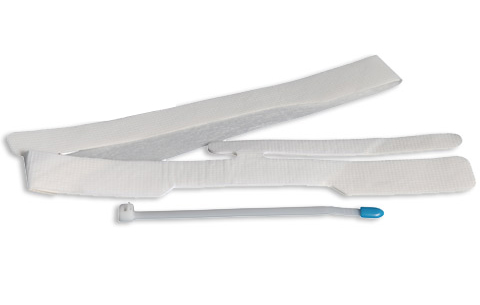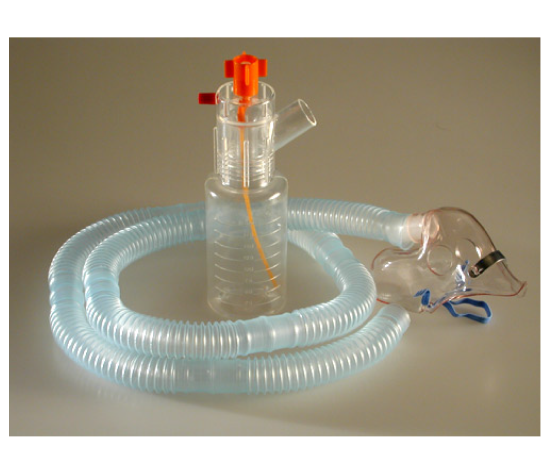
A newborn may need Bubble CPAP when breathing is possible but still too difficult to sustain efficiently without extra support. In the first hours or days after birth, some newborns have trouble keeping the tiny airspaces in their lungs open from one breath to the next. This is more common when the lungs are still immature, when leftover fluid has not cleared efficiently, or when the baby is using more effort to breathe than can be sustained for long.
Bubble CPAP delivers steady pressure that helps keep the lungs better expanded between breaths, improves the exchange of oxygen and carbon dioxide, and lowers the repeated collapse that can make breathing harder for a newborn to sustain.
The reason clinicians turn to this therapy is not simply low oxygen numbers in isolation. It is often a larger pattern that includes retractions, nasal flaring, grunting, fast breathing, and signs that the baby is spending too much energy just trying to move air. Early noninvasive support can make a meaningful difference because it helps stabilize breathing before fatigue builds further. For newborns who are breathing on their own but need help maintaining more effective lung function, this approach can provide support without moving immediately to more invasive ventilation.
Respiratory Distress Is One Of The Main Reasons Newborns Need Support
Many newborns who need respiratory support are still breathing on their own, but the work required to keep breathing effectively is higher than their lungs can handle comfortably. This pattern is common in respiratory distress syndrome, transient tachypnea, and other early neonatal conditions where the lungs are not holding a stable level of expansion and oxygen transfer remains less efficient than it should be. The problem is usually not complete breathing failure. The bigger concern is that each breath demands more effort than a newborn can sustain for long.
When the lungs do not stay open well between breaths, the baby has to keep rebuilding that lung volume again and again. That repeated effort increases energy use, makes breathing less efficient, and can push the infant toward worsening fatigue if support is not added in time. As this pattern continues, the baby may look more distressed because so much energy is being used just to maintain a basic level of respiratory function.
That is why Bubble CPAP is used in newborn care. It provides continuous pressure that helps the lungs stay more stable between breaths, which can improve oxygenation and lower the effort needed to breathe. Instead of making the infant overcome the same instability with every cycle, the system supports a more consistent starting point for breathing. For readers who want a broader look at this therapy in newborn care, explore CPAP for Newborns to better understand how clinicians use noninvasive pressure support during the earliest stages of respiratory distress.
Prematurity Often Changes How Well A Newborn Can Keep The Lungs Open
Premature infants are one of the most common groups to need early respiratory support because their lungs are still developing at the time of birth. One major challenge is limited surfactant, which makes it harder for the tiny airspaces in the lungs to remain open after exhalation. When those structures collapse too easily, the baby has to generate more effort with each breath just to reopen them again. That repeated work can lead to rapid fatigue, less efficient oxygen exchange, and a pattern of breathing that looks increasingly labored.
This is where gentle pressure support becomes clinically important. By helping maintain functional lung volume between breaths, Bubble CPAP can reduce the cycle of collapse and reopening that places such high demand on immature lungs. That does not mean every premature infant needs the same level of support or for the same duration. It means prematurity raises the likelihood that lung mechanics will need help during adaptation to life outside the womb. If you want to explore this neonatal support pathway in more depth, read Neonatal CPAP for a closer understanding of how pressure support fits into care for fragile infants.
The Goal Is To Reduce Work Of Breathing Before Fatigue Builds
One of the most important reasons a newborn may need support is to reduce the physical effort required for each breath. Babies in distress can spend a great deal of energy trying to maintain ventilation, and that matters because newborn reserves are limited. When breathing becomes too demanding, feeding tolerance, temperature stability, and overall recovery can become harder to maintain. A baby may still be breathing spontaneously, but the cost of doing so can become too high without support.
By helping keep the lungs more consistently recruited, Bubble CPAP supports a more efficient breathing pattern and can lower the strain placed on the chest wall and respiratory muscles. That is a major reason clinicians use it early in appropriate cases. The goal is not only to improve current breathing but to prevent further decline caused by fatigue and escalating distress. For a more detailed look at practical challenges and bedside considerations, explore CPAP for Newborns: Navigating Challenges and Best Practices as a helpful companion resource.
Bubble CPAP Helps When A Baby Is Breathing But Needs Noninvasive Pressure Support
There is an important clinical difference between a baby who is not breathing adequately at all and a baby who is breathing but not maintaining stable lung function efficiently. Bubble CPAP is generally used in the second situation. It supports spontaneous breathing by adding continuous positive pressure, which helps maintain airway patency and lung volume without immediately moving to invasive ventilation. That distinction matters because preserving spontaneous breathing while adding structured support can be highly valuable when the infant is responsive but struggling.
This is also why timing matters. Early use of noninvasive support may help stabilize the respiratory pattern before repeated collapse, oxygenation problems, and fatigue create a need for more aggressive intervention. It allows clinicians to respond to respiratory stress with a support method that is gentler than intubation while still addressing the underlying mechanics of poor lung recruitment. In the right newborn, that balance can improve stability while preserving a less invasive care path.
Clinical Monitoring Matters As Much As The Device Itself
A newborn does not simply need Bubble CPAP because a machine is available. The therapy is used because the baby’s condition, respiratory effort, oxygen needs, and overall clinical picture suggest that continuous pressure support may improve stability. Once started, careful monitoring remains essential because clinicians need to see whether breathing effort is easing, oxygenation is improving, and the infant is tolerating the setup well. The success of support depends not only on the system but on how well it is matched to the baby’s needs and reassessed over time.
That is one reason B&B Medical Technologies places so much emphasis on neonatal respiratory solutions that support consistency and practical bedside use. In newborn care, small changes matter. Pressure behavior, interface fit, humidification, flow, and routine reassessment all influence whether support remains effective. Good neonatal support is not only about applying pressure. It is about maintaining stable performance in an environment where the patient is small, fragile, and changing quickly.
About B&B Medical Technologies
B&B Medical Technologies develops respiratory and airway management products used in neonatal, pediatric, anesthesia, and critical care settings where reliability is essential. Its respiratory portfolio includes the B&B Bubbler, a Bubble CPAP valve designed for infants requiring noninvasive breathing support, along with related products that support circuit performance, airway stability, and consistent bedside care. The company’s work in neonatal support reflects a practical understanding of how early respiratory instability is managed and why gentle, repeatable pressure delivery matters in fragile patients.
That experience gives B&B Medical Technologies strong authority in conversations about newborn respiratory support. The company’s educational content and product positioning consistently focus on real clinical needs such as reducing work of breathing, supporting oxygenation, helping maintain lung recruitment, and providing systems that can be used reliably in demanding care environments. That perspective is especially important in neonatal care, where success depends on steady support, careful monitoring, and products built for the realities of day-to-day respiratory management.
Frequently Asked Questions
A newborn may need CPAP soon after birth when breathing is present but still inefficient, especially if the baby shows signs of respiratory distress such as grunting, retractions, fast breathing, or poor oxygenation.
No. Premature infants commonly need it because of immature lungs, but term newborns can also need support in conditions such as transient tachypnea or other causes of early respiratory distress.
It puts constant pressure on the airways, which keeps small spaces open between breaths. This can help the body get more oxygen and make breathing easier.
Not necessarily. It is often used to support babies who are breathing on their own but need help maintaining more stable lung function, and in some cases it may reduce the need for more invasive support.
Common signs include grunting, nasal flaring, chest retractions, rapid breathing, low oxygen levels, and visible effort that suggests the baby is tiring while trying to breathe.