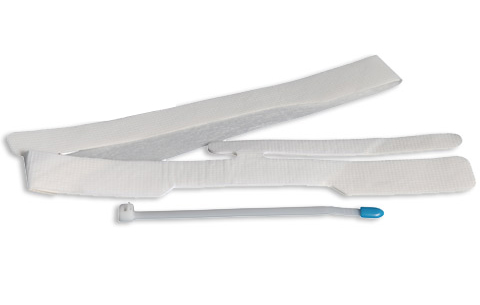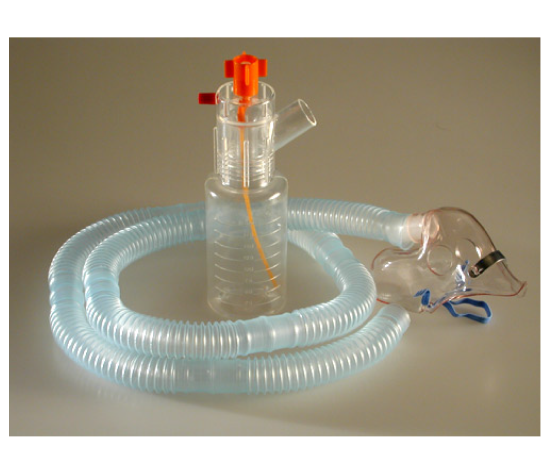
Mechanical ventilation depends on a stable airway, a protected tube position, and a care environment where the patient’s mouth, teeth, tongue, and soft tissues do not interfere with the respiratory circuit. When a patient bites down on an endotracheal tube, the tube can narrow, kink, or become partially obstructed, which may affect airflow delivery and make ventilation more difficult to manage. This risk becomes more important when a patient is lightly sedated, waking from anesthesia, neurologically agitated, or showing jaw movement during critical care.
B&B Medical Technologies designs airway management products for clinicians who need practical support at the bedside. Bite Blocks are used during mechanical ventilation when the care team needs to help protect the endotracheal tube from compression, reduce oral trauma risk, and maintain a more reliable airway pathway during treatment. Their role is simple, but clinically important because a small change in tube patency can affect ventilation efficiency, alarm patterns, secretion management, and patient safety.
Why Oral Tube Protection Matters During Ventilation
An endotracheal tube must stay patent enough to support consistent gas delivery, predictable airway pressure, secretion clearance, and stable ventilator synchrony. When a patient bites on the tube, the compression can immediately reduce the internal lumen and alter the resistance to airflow. In pressure-controlled ventilation, this may change the delivered tidal volume. In volume-controlled ventilation, airway pressure may rise rapidly because the ventilator is pushing against a restricted pathway. Clinicians may then see high-pressure alarms, incomplete breath delivery, patient-ventilator asynchrony, or sudden desaturation if the obstruction becomes significant.
Tube biting also becomes more concerning because the obstruction is often intermittent rather than constant. A patient may clamp down briefly during coughing, agitation, neurological stimulation, suctioning, transport, or lighter sedation, making the problem harder to identify at first glance. Ventilator alarms alone do not explain the source of resistance, so the airway team may need to quickly differentiate between bronchospasm, secretion plugging, tubing kinks, water accumulation, cuff issues, or direct tube compression from biting. That is why oral tube protection is treated as a practical airway-preservation strategy rather than a minor accessory consideration.
Oral tissue protection is equally important during prolonged ventilation. Continuous pressure between the tube, teeth, lips, gums, and tongue can increase irritation, swelling, mucosal injury, and localized tissue breakdown, especially in patients with edema, poor perfusion, fragile tissue, or repeated tube movement. A properly selected bite block helps create separation between the teeth and the airway tube while giving clinicians more stable access for suctioning, oral hygiene, repositioning, and securement assessment. In critical care environments where airway stability depends on multiple small details working together, reducing preventable tube compression can help make ventilation management more controlled and predictable.
When Clinicians Consider a Bite Block During Mechanical Ventilation
Clinicians may consider a bite block when a patient shows jaw clenching, chewing motion, restlessness, partial awakening, seizure-related oral movement, or reduced tolerance of the airway tube. It may also be used when sedation is being reduced, and the patient is not ready for extubation, because this transition can increase the risk of biting or tube compression. In these moments, the goal is to protect the airway tube while the care team continues to monitor readiness, neurological status, respiratory stability, and patient response.
A bite block may also be useful when an intubated patient has a history of tube biting or when the clinical team expects episodes of oral tension during procedures, transport, recovery, or ventilator weaning. The decision should always be guided by patient condition, tube position, oral anatomy, risk of aspiration, skin and mucosal integrity, and facility protocol. When used correctly, the device supports airway protection without replacing careful assessment, securement checks, suctioning, oral care, and ventilator monitoring.
For readers comparing different oral support devices, Bite Block for Braces can help explain how bite blocks are discussed in dental settings and why their use differs from airway protection during mechanical ventilation.
How Bite Blocks Help Protect the Endotracheal Tube
A bite block creates a structured space between the upper and lower teeth, so biting force is redirected away from the endotracheal tube itself. This matters because reinforced or standard ET tubes can still become partially occluded when exposed to strong jaw compression, especially during agitation, neurological stimulation, emergence from sedation, or involuntary chewing motion. Even a temporary narrowing of the lumen can affect inspiratory flow, increase airway resistance, interfere with exhalation patterns, and alter ventilator waveforms. In mechanically ventilated patients, clinicians rely heavily on those pressure and volume readings to assess respiratory stability, so protecting tube patency helps preserve more accurate ventilation monitoring.
The benefit involves more than preserving airflow. Tube compression can also interfere with secretion removal because suction catheters may have difficulty passing through a narrowed lumen. Bite Blocks are useful in maintaining tube shape and improving access for suctioning while reducing repeated mechanical stress around the airway setup. This is especially useful during prolonged ventilation when moisture accumulation, secretions, continuous patient movement, and frequent repositioning already create additional strain on the airway circuit. More severe biting can distort the tube sufficiently to necessitate repositioning or tube exchange, increasing airway-related risks during ventilation.
Bite Blocks also help stabilize the relationship between the tube and surrounding oral structures. Repeated biting or jaw pressure can increase friction against the lips, tongue, gums, and teeth while contributing to localized tissue irritation. A correctly positioned bite block can help distribute oral pressure more evenly and lessen direct tooth-to-tube compression. Clinicians still need to monitor oral integrity closely, but separating the tube from repeated jaw force can make long-term airway management safer and more manageable at the bedside.
To support broader reader education, our guide What Is Bite Block & How Does It Help With Braces? explains the dental meaning of bite blocks while helping readers understand why medical airway bite blocks serve a different purpose.
Placement, Monitoring, and Bedside Safety Considerations
Bite block placement should always be approached as part of the overall airway strategy rather than a simple oral accessory placement. Before choosing a positioning strategy, clinicians should evaluate oral anatomy, dentition, ET tube depth, lip status, secretions, tongue swelling, sedation level, and the potential for continued jaw movement. The device should protect the airway tube without applying focal pressure to the gums, mucosa, tongue, or teeth. Placement also must allow access for suctioning, oral care, tube repositioning, and securement checks because airway care is more challenging when the oral cavity is crowded or difficult to visualize.
Monitoring after placement is equally important because the oral environment can change quickly during mechanical ventilation. Edema, pooled secretions, dryness, tongue enlargement, and patient movement can all affect how the device sits over time. If the bite block shifts, rotates, traps moisture, or increases localized pressure, clinicians may begin seeing mucosal irritation, lip injury, secretion accumulation, or reduced oral access. Regular reassessment helps identify these issues early before they interfere with airway care or tissue integrity.
Clinicians also need to evaluate whether the bite block continues to match the patient’s stage of care. A patient who was heavily agitated earlier in ventilation may later become calm enough that the device is no longer necessary. On the other hand, patients moving through sedation reduction, neurological recovery, transport, or ventilator weaning may temporarily become higher risk for tube biting and oral movement. Effective airway management depends on adapting the setup to the patient’s changing condition rather than leaving devices in place without reassessment.
To support broader reader education, our guide When do bite blocks get removed? explains the dental meaning of bite blocks while helping readers understand why medical airway bite blocks serve a different purpose.
Bite Blocks During Weaning, Recovery, and Transport
Ventilator weaning introduces a different airway-management challenge than earlier stages of mechanical ventilation because the patient may begin recovering protective reflexes before the airway tube is removed. As sedation decreases, clinicians may see stronger jaw tone, coughing, gagging, spontaneous swallowing, or periods of agitation that increase the likelihood of tube biting. During this transition, airway protection is closely tied to extubation readiness because the team must balance spontaneous respiratory effort, neurological responsiveness, secretion management, and tube tolerance at the same time. Bite Blocks may help maintain tube patency during these changing neurological and respiratory conditions while clinicians continue evaluating whether the patient is ready for safe extubation.
Transport creates a separate set of risks because airway setups become more vulnerable during movement between beds, imaging areas, operating rooms, or critical care units. Ventilator tubing may shift, monitoring access becomes more limited, and patient stimulation can increase oral movement or coughing. In these situations, a bite block may help reduce sudden tube compression while the care team manages repositioning, portable ventilation equipment, suction access, and securement stability. Transport safety still depends on continuous airway reassessment, but reducing avoidable oral tube obstruction can help make ventilation support more consistent during high-movement transitions.
Why Choose B&B Medical Technologies for Airway Support Products
B&B Medical Technologies focuses on respiratory care products that help clinicians manage airway stability, ventilation support, neonatal respiratory therapy, aerosol delivery, and critical care workflows. The brand’s airway support portfolio is built around practical bedside needs, including tube protection, securement, stabilization, and respiratory circuit support. For clinicians, product design matters most when it helps reduce avoidable interruptions, supports safer handling, and fits into the pace of real patient care.
The company’s background in respiratory and airway management gives its products a clear clinical purpose. In mechanical ventilation, teams require tools that are easy to use, reliable in operation, and compatible with careful monitoring. B&B Medical Technologies meets that need with airway-focused solutions that help clinicians protect tubes, manage patient movement, and maintain a more controlled environment for respiratory care.
How Bite Blocks Fit Into a Larger Airway Management Plan
Bite Blocks are most effective when they are integrated into a complete airway-management approach instead of being treated as an isolated device intervention. Mechanical ventilation depends on multiple systems working together, including securement stability, cuff management, secretion control, ventilator synchrony, sedation strategy, oral care access, humidification, and regular airway reassessment. If a patient repeatedly bites the tube, clinicians may also need to evaluate pain control, neurological stimulation, anxiety, delirium, sedation reduction timing, or worsening respiratory discomfort because oral tension is sometimes a response to broader instability.
An effective airway plan changes as the patient’s respiratory and neurological condition changes. During deeper sedation, the main concern may be tube stability and secretion management. In recovery or weaning, attention may be directed to spontaneous breathing tolerance, return of airway reflexes, and readiness for extubation. Bite Blocks help maintain tube patency during periods where biting risk may interfere with ventilation, but ongoing reassessment determines whether the device remains appropriate. This patient-specific approach is more consistent with modern critical care practice in which decisions regarding airway management are not left unchanged throughout ventilation, but are continuously adjusted.
Frequently Asked Questions
Bite blocks are used when an intubated patient may bite or compress the endotracheal tube. This can happen during lighter sedation, recovery, agitation, weaning, transport, or neurological activity. They are intended to assist in protecting the tube patency and reducing oral tube-related risk.
They help to reduce the risk of obstruction from biting or jaw clenching. They do not eliminate all airway problems, so clinicians still need to monitor tube position, ventilator readings, secretions, cuff status, and patient response.
No. Usage depends on patient condition, oral anatomy, airway setup, sedation level, and facility protocol. Some patients may not need one, and others may require it due to the ventilation risk created by biting the tube.
Clinicians should monitor the stability of ventilation, position of the tube, pressure on oral tissues, accumulation of secretions, tolerance of the patient, and movement of the device. Ongoing reassessment decreases risk for mucosal injury or interference with airway care.
They may be used as part of the weaning process, where the patient is more awake but still needs the endotracheal tube. This stage can increase jaw movement or biting risk, so tube protection may be helpful until the airway plan changes.
Any oral device can create pressure if it is poorly positioned, too tight, left in place without reassessment, or used in a patient with fragile tissue. Regular mouth checks and proper placement help lower that risk.
Medical bite blocks are used during ventilation to help protect the airway tubes from being compressed by the teeth. Dental bite blocks, including those used with braces, are used for bite correction, spacing, or orthodontic treatment support.
Removal is dependent on the airway status, risk of biting, level of sedation, extubation plan, and clinician assessment. The bite block should be regularly reassessed and removed when no longer clinically indicated.