A tracheostomy is a surgical opening in the neck that gives a critically ill patient a direct airway into the trachea. When the mouth and nose can no longer manage breathing reliably, this opening takes over, connecting either straight to a ventilator or, later in recovery, to a Trach Collar for supplemental oxygen. Doctors reach for this option most often when a patient faces prolonged mechanical ventilation, airway obstruction, or a neurological condition that compromises normal breathing. From that point on, the tracheostomy handles three jobs at once: delivering oxygen, clearing secretions, and giving the patient a path toward recovery.
Why a Tracheostomy Replaces a Standard Breathing Tube Over Time
An endotracheal tube works well for short-term ventilation, but it wasn’t built to stay in place for weeks. Once mechanical ventilation stretches past a week or two, keeping a tube down the throat starts causing real problems: discomfort, difficulty weaning off sedation, and a rising risk of vocal cord injury. A tracheostomy tube sidesteps all of that. Placed through a surgical opening lower in the neck, it gives the airway a connection point built for the long haul.
The lower placement offers a second advantage most people don’t think about right away: direct access for suctioning. Clearing secretions deep in the airway is far harder through the nose or mouth than through a tracheostomy opening. And for patients whose upper airway is blocked by a tumor, swelling, trauma, or structural narrowing, this opening might be the only reliable way to keep the airway clear at all. Tracheostomy Tube Holders Complete Guide covers the securement side of this process in more detail.
Medical Conditions That Make a Tracheostomy Necessary
A handful of clinical situations tend to push a care team toward this decision. Prolonged mechanical ventilation sits at the top of the list, and it’s usually considered once a patient is expected to need a ventilator for an extended stretch, since it cuts down on the complications tied to long-term intubation through the mouth. Neurological conditions come next: paralysis, severe brain injury, or anything that impairs a patient’s ability to breathe or protect their own airway.
Airway obstruction rounds out the picture. Tumors, severe trauma, or congenital narrowing can all make it unsafe or impossible to pass a standard breathing tube. In every one of these cases, the tracheostomy itself isn’t treating the underlying illness. It’s securing the airway while the actual medical problem gets addressed elsewhere.
How the Tracheostomy Tube Connects the Airway to Oxygen
Once the tube is placed, it sits in that surgical opening and creates a direct channel into the trachea, below the vocal cords. From there, it can connect straight to a mechanical ventilator for patients still needing full breathing support, or to simpler oxygen delivery devices for patients breathing on their own but still needing supplemental oxygen.
There’s a tradeoff built into this route, though. Air moving through the nose and mouth gets warmed and humidified naturally before it reaches the lungs. Air moving through a tracheostomy skips that step entirely. That gap is exactly why humidification becomes such a central part of tracheostomy care, since dry air lets secretions thicken and raises the risk of the tube plugging up.
How a Trach Collar Delivers Humidified Oxygen After Ventilator Weaning
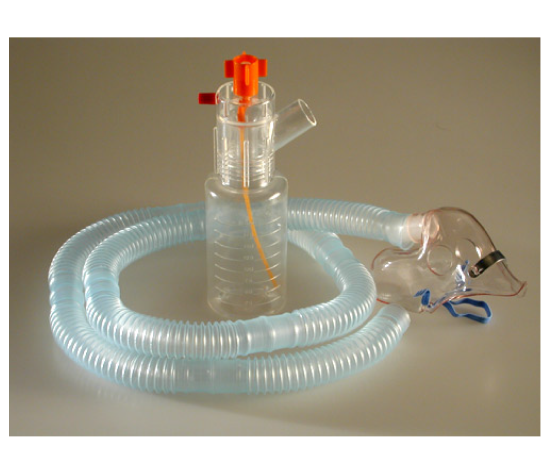
Once a patient no longer needs full ventilator support but still requires supplemental oxygen, the care plan usually shifts to a Trach Collar. It fits directly over the tracheostomy opening and connects to a humidifier and oxygen source, delivering warm, moist air into the airway. That humidification step isn’t a comfort add-on. It’s what keeps secretions from crusting over and blocking the tube.
Clinicians keep a close eye on patients using a Trach Collar, tracking work of breathing, secretion thickness, and how well the patient is tolerating the current oxygen level. If oxygen needs climb or secretions get harder to clear, the care team reassesses and may step up support again. How to Give Oxygen to a Patient With a Tracheostomy? walks through this stage of care in more depth.
A Tracheostomy Tube Holder Prevents Accidental Tube Dislodgement
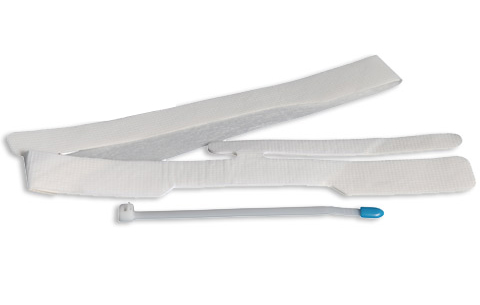
A tracheostomy only does its job if the tube stays exactly where it’s supposed to be. Even small, unintended movement can lead to accidental dislodgement, tracheal irritation, or, in more serious cases, airway complications that need emergency attention. That’s the entire reason a Tracheostomy Tube Holder exists.
A well-fitted Tracheostomy Tube Holder keeps the tube stable against the neck, cutting down on the friction and pulling that happens during repositioning, coughing, or routine care. B&B Medical Technologies builds securement products, including TrachGuard™ and TrachStay™, specifically around this need, reducing the risk of accidental disconnection while also cutting setup time for the care team managing the device day to day. Fit matters here, too. A Tracheostomy Tube Holder that’s too tight risks pressure injury on the patient’s skin, while one that’s too loose fails at the one job it has: keeping the tube from moving.
What Daily Tracheostomy Care Actually Involves
Living with a tracheostomy, whether in a hospital, a rehab facility, or at home, comes with a routine that doesn’t really pause. Secretions build up and need regular suctioning. The skin around the stoma needs daily inspection, since it stays in constant contact with the tube and its securement device and can develop irritation or breakdown without close attention. For patients managing daily oxygen needs at this stage, a Trach Collar often becomes part of that same routine, checked and adjusted alongside suctioning and skin care.
Communication comes up constantly in these conversations, and understandably so. A standard tracheostomy tube sits below the vocal cords, which can interfere with normal speech. Depending on the tube type and the patient’s specific situation, speaking valves or other adaptations may help restore some ability to talk. For an in-depth understanding, read Can You Speak With a Tracheostomy?
What Recovery and Long-Term Tracheostomy Care Look Like
A tracheostomy doesn’t have to be permanent. For a lot of patients, it’s tied to a specific illness or recovery window, nothing more. As the underlying condition improves and breathing strengthens, the care team begins weaning, gradually pulling back ventilator support, often stepping down to a Trach Collar before working toward decannulation, the point where the tube finally comes out.
Patients who need a tracheostomy longer term still go through routine tube changes as part of ongoing care, both to keep the tube working properly and to lower infection risk. How often that happens comes down to the specific tube type and the patient’s individual clinical picture, which is discussed in How Often Should a Tracheostomy Tube Be Changed? Every stage of this process, from the initial placement through eventual decannulation, needs to run through the patient’s healthcare team, since no two clinical situations play out exactly the same way.
Frequently Asked Questions
Doctors generally consider a tracheostomy once a patient needs mechanical ventilation for an extended period. Keeping a breathing tube in through the mouth that long raises the risk of complications, including vocal cord injury, more than a surgically placed tracheostomy tube does.
The tracheostomy tube is the device inserted into the surgical opening in the neck. A Trach Collar is a separate accessory that fits over that tube afterward, delivering humidified oxygen or air once a patient no longer needs full ventilator support.
Many tracheostomies are actually temporary, tied to a specific illness or recovery period. Once a patient’s condition improves and their breathing strengthens, the healthcare team can start weaning them off the tube, working toward eventual removal.
A Tracheostomy Tube Holder holds the tube steady against the neck. That stability lowers the risk of the tube slipping out of place, irritating the trachea, or causing airway complications from movement it was never meant to withstand.
It depends on the tube type and the patient’s clinical situation. Speaking valves and certain tube adaptations can help restore some ability to talk, but that decision should always come from the patient’s care team.