Yes, many patients with a tracheostomy can speak, though it usually isn’t automatic the moment the tube goes in. Whether speech is possible depends on the type of tube, whether a cuff is inflated or deflated, and whether the patient is a safe candidate for a speaking valve. Understanding why a tracheostomy interferes with speech in the first place makes it easier to see why some patients regain their voice quickly while others need more time, evaluation, and support from their care team.
Why a Standard Tracheostomy Tube Blocks Normal Speech
Speech happens when air moves up from the lungs, passes through the vocal cords, and creates sound before exiting through the mouth and nose. A tracheostomy tube interrupts that pathway at its source. Since the tube sits below the vocal cords and provides a direct route in and out of the airway, air typically exits through the tube itself rather than traveling upward past the vocal cords, which means no sound gets produced.
This is the core reason so many patients and families ask about speech so early in the process, often not long after they’ve learned what a tracheostomy is actually there to do and why doctors placed one in the first place. The tracheostomy accomplishes its primary job, securing the airway, but it does so in a way that temporarily removes the normal path speech depends on. Whether that path can be restored depends on the specific setup of the tube and the patient’s overall clinical stability.
How a Speaking Valve Redirects Air Through the Vocal Cords
A speaking valve, most commonly known by the brand name Passy-Muir, solves the airflow problem directly. The valve attaches to the outside opening of the tracheostomy tube and opens during inhalation, letting air flow in through the tube as normal. On exhalation, though, the valve closes, forcing that air to travel back up around the tube and through the vocal cords instead of exiting through the tracheostomy opening.
That redirected airflow is what makes sound production possible again. Patients using a properly fitted speaking valve can start with simple sustained sounds and gradually work up to full words and sentences as their tolerance builds, typically under the guidance of a speech-language pathologist who evaluates and trains the patient through this process.
Cuffed vs Uncuffed Tubes Determine Whether Speech Is Possible
The tube itself plays a major role in whether speech, with or without a valve, is even physically possible. A cuffed tracheostomy tube has an inflatable balloon that creates a seal against the tracheal wall, typically used for patients on mechanical ventilation who need that seal to maintain proper ventilation pressure. For a speaking valve to work safely, that cuff generally needs to be fully deflated first, since an inflated cuff blocks the space air needs to travel around the tube and up through the vocal cords.
Uncuffed tubes don’t have this obstruction built in, which is why patients with an uncuffed tube may be able to produce limited speech even without a valve in place, simply by allowing air to circulate around the tube naturally. That said, speaking this way tends to increase the patient’s work of breathing, so it isn’t automatically the easiest or most comfortable option even when it’s technically possible.
Who Qualifies for a Speaking Valve Trial
Not every tracheostomy patient is ready for a speaking valve right away, and clinicians assess several factors before starting a trial. Candidates generally need to tolerate full cuff deflation without respiratory distress, manage their own secretions reasonably well, and demonstrate enough airflow around the tube on exhalation to support voicing. Patients with severe upper airway obstruction, significant aspiration risk, heavy or thick secretions, or major medical instability typically aren’t appropriate candidates until those issues improve.
A foam-filled cuffed tube specifically cannot be used with a Passy-Muir valve under any circumstances, since that design requires the cuff to stay inflated for the tube to function safely. In some cases, a physician may switch a patient to a different tube, sometimes smaller, sometimes uncuffed, specifically to make speaking valve use possible once the patient’s condition allows for it.
How a Trach Collar Fits Into Communication and Daily Oxygen Care
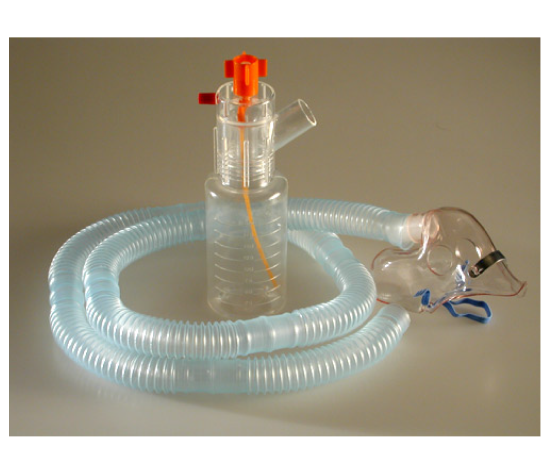
For patients who no longer need full ventilator support but still require supplemental oxygen, a Trach Collar often becomes part of the same daily routine that includes speaking valve trials. A Trach Collar delivers humidified oxygen directly over the tracheostomy opening, and depending on the patient’s setup, oxygen can sometimes be administered through a collar mask or adapter designed to work alongside a speaking valve rather than in place of it.
Getting this balance right, humidification, oxygen delivery, and communication support, generally involves close coordination between respiratory therapy and speech-language pathology, since oxygen needs and valve tolerance both shift as a patient’s condition changes day to day.
What a Speaking Valve Trial Actually Involves
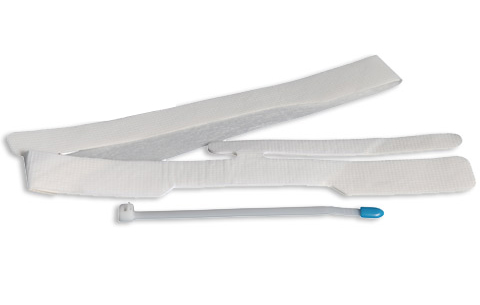
A speaking valve trial follows a structured process, not a simple attachment. Clinical staff first ensure the patient’s airway is clear of secretions, with suction equipment ready nearby. The Tracheostomy Tube Holder securing the tube gets checked and held steady during the process, since the neck plate needs to stay stable while the valve is attached with a gentle quarter turn.
Throughout the trial, staff monitor the patient’s vitals, breathing pattern, and comfort level closely, watching for signs of distress. If tolerated, the patient is encouraged to vocalize, often starting with a simple sustained sound before progressing toward words. Wear time typically increases gradually across multiple sessions rather than jumping straight to extended use, and the same Tracheostomy Tube Holder that keeps the tube secure during ordinary care plays just as important a role here, since even brief tube movement during a trial can throw off the fit needed for a safe seal.
Warning Signs That Mean a Speaking Valve Should Come Off
Speaking valve use isn’t risk-free, and clinicians watch closely for signs that a trial needs to stop. Increased heart rate, visible discomfort, rising work of breathing, or any sign of respiratory distress are all reasons to remove the valve immediately. Persistent coughing that doesn’t improve with suctioning can also signal that the airway isn’t tolerating the valve well, sometimes due to thick secretions or a tube that’s slightly too large for comfortable airflow around it.
Any of these signs should prompt a conversation with the care team before resuming valve use. Family members and caregivers involved in home care should also stay familiar with the specific instructions given for their patient, since tolerance and readiness can shift over time as the tube itself changes, which is part of why routine tube changes stay such a consistent part of long-term tracheostomy management.
Frequently Asked Questions
Not automatically. Speech depends on tube type, cuff status, and overall clinical stability, and a speech-language pathologist typically needs to evaluate the patient before determining candidacy for a speaking valve.
Yes, in almost all cases. An inflated cuff blocks the airflow path a speaking valve depends on, so the cuff generally must be fully deflated before a valve trial can begin safely.
No. Foam-filled cuffed tubes cannot be used with a Passy-Muir valve under any circumstances, since that specific design requires the cuff to remain inflated.
Some coughing is common initially and often settles with time and suctioning. Persistent coughing that doesn’t improve, or that makes breathing uncomfortable, should prompt removing the valve and speaking with the care team.
In some setups, yes, depending on the equipment and adapter used, though this requires coordination between respiratory therapy and speech-language pathology to confirm it’s appropriate for that specific patient.