When skin is fragile, the wrong dressing can create a second problem while you are trying to solve the first. Adhesive trauma, friction, and repeated dressing changes can leave sensitive skin irritated, painful, and slower to recover, especially in areas that move or rub against clothing. A hydrocolloid dressing approach helps by supporting a protected, moist environment that can reduce friction and limit how often the site needs to be disturbed.
A Hydrocolloid Bandage is designed to cushion the area while helping maintain a stable barrier over minor wounds and vulnerable skin. It can be useful when you want consistent coverage with less pulling at the edges during wear. Clinicians and caregivers still look closely at placement, skin prep, and wear time, because the best results come when the dressing choice matches the skin condition and the day-to-day demands on that site.
What a Hydrocolloid Dressing Does During Wear
Hydrocolloid dressings are built to interact with moisture at the surface. As the dressing absorbs exudate, it forms a soft gel that helps protect the wound bed and reduces external friction. That gel behavior also helps limit drying, which can be important when skin is prone to cracking or when repeated exposure leads to tenderness.
The benefit is not only comfort. A stable dressing that stays in place reduces repeated lifting and re-adhesion, which is a common driver of irritation in sensitive skin. When the dressing seals well and is not disturbed often, the skin around the site has a better chance to settle rather than becoming inflamed with every change.
How Hydrocolloid Tape Is Used as a Flexible Skin Barrier
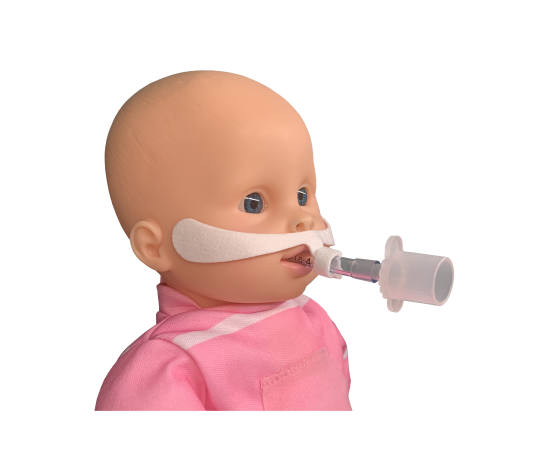
In some care routines, a flexible format is preferred because it can be cut to size and adapted to curved areas. Hydrocolloid Tape is often used as a protective barrier on high-friction zones or to support securement where skin needs extra cushioning. It allows clinicians and caregivers to shape coverage based on the exact site rather than relying only on standard bandage sizes.
This approach is especially useful when the goal is to protect surrounding skin, not only the central wound. When placed with clean edges and appropriate overlap, it can help reduce rubbing and create a smoother surface under clothing or medical devices. For related guidance on how hydrocolloid dressings are used for minor wounds and acne-prone areas, read How Hydrocolloid Tape Heals Acne & Minor Wounds to learn more.
Why Sensitive Skin Benefits From Reduced Dressing Changes
Sensitive skin often worsens with repetition. Each removal can lift superficial layers, increase redness, and trigger a cycle where the site becomes more reactive with each change. When a dressing can stay in place for an appropriate window without losing adhesion, it reduces how often the skin is pulled and helps maintain a more stable surface condition.
This is also why edge management matters. Clinicians watch for rolling edges, moisture buildup at the perimeter, and early lifting that can invite friction. When the dressing is replaced at the right time rather than repeatedly re-pressed, the skin tends to respond better, and discomfort is reduced.
Practical Use Tips That Reduce Irritation and Improve Wear
Preparation improves tolerance. Skin should be clean and fully dry before application, and oils or lotions near the site should be minimized because they can weaken adhesion and lead to early lifting. A gentle application approach, with smooth placement and no overstretching, also helps reduce tension that later turns into edge lift or blistering.
Removal should be slow and supported. Clinicians often lift an edge carefully and peel back along the skin rather than pulling upward. If sensitivity is high, supporting the skin with the other hand helps limit shear and reduces the chance of superficial tearing. These small habits matter because they often determine whether the dressing protects the site or becomes another source of irritation.
B&B Medical Technologies Support for Skin Protection and Securement
B&B Medical Technologies develops patient care products that support securement and skin protection in environments where adhesives are used repeatedly. Their portfolio reflects long-standing experience with clinical workflows that involve moisture, frequent handling, and the need to protect vulnerable skin while maintaining stable coverage.
By focusing on practical formats and repeatable use, B&B Medical Technologies supports clinicians and caregivers who need dressings that can protect sensitive skin without adding unnecessary disruption. When skin is protected, and dressing changes are managed thoughtfully, comfort improves, irritation decreases, and the site is easier to monitor over time.
Frequently Asked Questions
It is commonly used to protect minor wounds and sensitive areas by cushioning the site and maintaining a protective barrier during wear.
They are often chosen to reduce irritation, but sensitivity can still occur if edges lift, moisture builds, or removal is too aggressive.
Wear time depends on the site and the amount of moisture. The dressing is usually replaced when edges lift, the seal is compromised, or buildup is noticeable.
Yes. Hydrocolloid material can form a soft gel as it absorbs moisture, which is part of how it protects the site.
Slow peeling along the skin and supporting the area with your hand helps reduce shear. Removing after a warm shower can also make the edge easier to lift.