How aerosol enters the airway can influence lung medication delivery, treatment consistency, and patient tolerance during the session. A common respiratory care question is whether a mask or mouthpiece is the better option.
Nebulizer systems can be used with both mask and mouthpiece delivery systems, but the two systems are designed around different patient needs, breathing patterns, and treatment conditions. A mouthpiece may improve directional aerosol delivery when the patient can cooperate fully with treatment, while a mask may be more practical when the patient cannot reliably maintain a mouth seal or coordinate breathing. Choosing correctly depends on age, respiratory status, cooperation level, aerosol escape, facial fit, and the clinical goal of therapy.
Why the Aerosol Delivery Method Affects Respiratory Therapy Performance
A nebulized medication only works effectively if enough aerosol reaches the lower respiratory tract. During treatment, aerosol particles can be lost through mask leakage, poor breathing technique, crying, talking, loose mouthpiece positioning, or exhalation into the surrounding environment. This affects how much medication actually reaches the lungs rather than remaining inside the chamber or dispersing into the air.
Breathing pattern and choice of interface further influence particle behavior in the airway. Generally, aerosol particles have a better chance to reach deep into the respiratory tract with slow inhalation of the aerosol through the mouth, while rapid shallow breathing may increase deposition and loss of medication in the upper airway. This is especially important in pediatric respiratory care, where crying, agitation, or inconsistent breathing can reduce the effective delivery of treatment.
Interface choice also depends on the clinical situation. A cooperative adult may manage a mouthpiece well during bronchodilator therapy, while infants, patients with cognitive impairment, fatigued patients, or those needing continuous treatment may need mask-based delivery. Effective aerosol therapy is a balance of delivery of medication, patient tolerance, and respiratory condition.
How a Nebulizer Mouthpiece Supports Lower-Airway Delivery
A mouthpiece is designed to direct aerosol flow through the mouth and into the lower airway with fewer opportunities for medication escape around the face. When the patient maintains a good seal and breathes correctly, this setup can reduce aerosol loss compared with loose mask placement. Mouthpiece delivery is commonly preferred for older children, adolescents, and adults who can cooperate with instructions during treatment.
Mouthpiece use also changes how aerosol enters the airway. Because the medication stream is concentrated toward oral inhalation, clinicians can often achieve more controlled lower-airway delivery when the breathing technique remains stable throughout the session. This becomes useful during bronchodilator therapy, saline delivery, or maintenance respiratory treatment, where consistency of inhalation can influence therapy response.
Mouthpieces may also reduce unintended aerosol exposure around the eyes or surrounding facial skin because the medication pathway is more concentrated toward the airway. In some respiratory medications, reducing facial deposition may improve treatment tolerance and reduce unnecessary residue on the skin or around the eyes during the session.
How Nebulizer Masks Change Aerosol Delivery and Patient Access
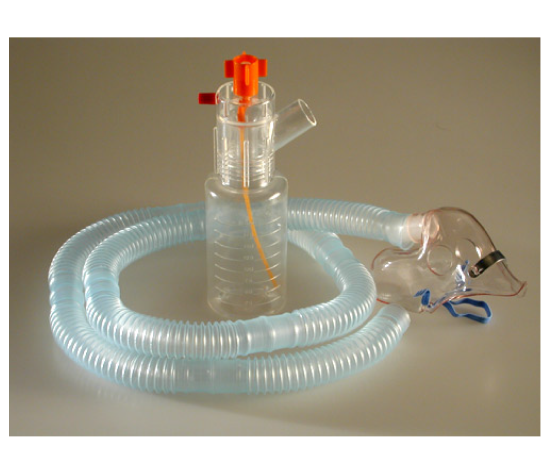
A mask allows aerosol therapy to continue even when the patient cannot reliably use a mouthpiece. This is especially important in infants, younger children, cognitively impaired patients, fatigued patients, or patients who cannot maintain an effective mouth seal during treatment. The mask covers the nose and mouth, so aerosol continues flowing around the airway entrance throughout the session.
Mask delivery changes the respiratory workflow because treatment can continue during natural breathing without requiring constant coordination from the patient. This can help maintain therapy access during respiratory distress, fatigue, sleep, agitation, or pediatric resistance to mouthpiece use. In many real bedside and home-care situations, maintaining continuous treatment access may be more realistic than trying to achieve an ideal breathing technique.
The challenge is that masks can also allow more aerosol escape into the surrounding air if the seal is poor. Gaps around the cheeks, nose, or chin may reduce the amount of medication entering the airway. Movement, crying, talking, or pulling away from the mask can further reduce delivery consistency. Clinicians and caregivers should therefore monitor fit, moisture buildup, skin irritation, condensation, and patient response during repeated aerosol sessions.
For patients learning broader respiratory-device maintenance practices, How to Properly Maintain and Clean Your Nebulizer for Long-Term Use supports additional guidance on keeping aerosol equipment functioning properly between treatments.
Nebulizer Mask vs Mouthpiece Comparison for Aerosol Delivery
Clinical Factor | Mouthpiece | Mask |
Aerosol Direction | More direct lower-airway delivery in cooperative patients | Broader aerosol distribution around nose and mouth |
Patient Cooperation Needed | Higher | Lower |
Infant and Pediatric Use | Less practical in younger children | Commonly preferred |
Medication Escape Risk | Usually lower with good seal | Higher if mask fit is loose |
Facial Medication Residue | Lower | More likely around nose, cheeks, or eyes |
Treatment During Fatigue or Sleep | More difficult | Often easier |
Breathing Coordination Requirement | Higher | Lower |
Common Clinical Use | Cooperative older children and adults | Infants, fatigued, or cognitively impaired patients |
Nebulizer Mask vs Mouthpiece: Which Delivers Better Aerosol Deposition?
Mouthpieces are often preferred for cooperative patients because they can channel aerosol medication more directly toward the lower airway. With a firm mouth seal and correct breathing pattern, less medication disperses outside the patient’s airway. This may support better treatment efficiency during bronchodilator therapy, inhaled saline administration, or other aerosol-based care.
Better theoretical deposition does not always mean better real-world treatment. A mouthpiece will only work well if the patient can use it properly throughout the whole session. If the patient repeatedly removes the mouthpiece, breathes through the nose, becomes fatigued, or cannot follow instructions, aerosol delivery may become inconsistent. In those situations, a mask may provide more practical and reliable treatment continuity.
The comparison, therefore, depends on patient behavior as much as device design. Respiratory care teams generally focus on the interface most likely to deliver consistent therapy under the patient’s actual clinical conditions rather than choosing only by ideal deposition performance.
When a Nebulizer Mouthpiece May Be the Better Choice
A mouthpiece may be preferred when the patient is alert, cooperative, and capable of controlled mouth breathing during aerosol therapy. This commonly includes older children, adolescents, and adults receiving routine bronchodilator therapy, saline nebulization, or maintenance respiratory treatment. The more stable mouth seal can help direct aerosol toward the lower airway while reducing environmental medication loss.
Mouthpieces may also be useful when minimizing facial deposition is important. Certain aerosol medications can leave residue on the skin or around the eyes if delivered through a loose mask interface. A mouthpiece reduces this facial exposure while maintaining a more concentrated aerosol pathway toward the airway.
Treatment coaching remains important even in cooperative patients. Respiratory therapists and clinicians may still need to reinforce breathing technique, pacing, posture, and session completion because aerosol delivery quality can decline if the patient rushes the treatment, talks through therapy, or breathes inconsistently.
When a Nebulizer Mask May Be More Appropriate
A mask may be more appropriate when the patient cannot reliably use a mouthpiece or maintain coordinated breathing during treatment. This often applies to infants, toddlers, medically fragile children, fatigued patients, cognitively impaired adults, or patients requiring aerosol support while sleeping or resting. In these situations, treatment continuity may become more important than maximizing ideal deposition mechanics.
Mask delivery may also be helpful during respiratory distress when maintaining a mouth seal becomes difficult. Patients with increased work of breathing, weakness, agitation, or neurological limitation may tolerate passive mask delivery more effectively than active mouthpiece coordination. The interface allows aerosol flow to continue around spontaneous breathing patterns even if the technique is imperfect.
The goal is not simply to keep the mask in place. Clinicians and caregivers still need to optimize fit, reduce large leaks, monitor patient response, and encourage calm breathing whenever possible. A poorly fitted mask can significantly reduce effective aerosol delivery even when the medication chamber is functioning correctly.
Why Breathing Technique Can Change Aerosol Therapy Results
Aerosol therapy outcomes are heavily influenced by patient cooperation. Even the most efficient Nebulizer setup may perform poorly if the patient cries continuously, interrupts treatment repeatedly, breathes rapidly through the nose, or removes the interface before the medication session is complete. Respiratory therapy is partly mechanical, but it also depends on breathing behavior throughout treatment.
The deposition of aerosol particles in the respiratory tract depends on how a person inhales. Mouth breathing generally supports deeper lower-airway deposition, while dominant nasal breathing may filter or redirect part of the aerosol before it reaches the lungs. Patients using a mouthpiece who continue breathing mainly through the nose may therefore receive less effective lower-airway delivery.
Treatment pacing also influences aerosol performance. The slow, controlled inhalation with relaxed exhalation generally yields more stable drug delivery compared to rapid, irregular breathing. Patient technique can have a significant impact on aerosol efficiency, so clinicians and caregivers often need to coach posture, pacing, and completion of therapy.
Read more about Aerosol Nebulizers vs. Traditional Nebulizers: What’s the Difference? and get additional guidance on therapy delivery methods and respiratory treatment workflows.
Cleaning, Moisture, and Interface Maintenance for Better Delivery
Aerosol interfaces should be cleaned on a regular basis, as medication residue, condensation, and moisture buildup can affect hygiene, function, and delivery consistency. Follow the product’s care instructions and the facility’s protocols when cleaning masks, mouthpieces, tubing, and medication chambers.
Moisture management also impacts fit and function. Condensation in the interface or tubing can change the pressure of the airflow and cause more discomfort over time. Masks can hold extra moisture against facial skin, while mouthpieces may collect residue near the lips or mouth, depending on medication type and how often therapy is used.
Interface replacement should also be considered when components crack, discolor, stiffen, loosen, or no longer maintain an effective fit. A well-maintained aerosol system supports more predictable therapy and may reduce avoidable interruptions during respiratory treatment.
B&B Medical Technologies Respiratory Support for Aerosol Therapy
B&B Medical Technologies develops respiratory-care products designed around practical bedside and home-care workflows. Aerosol therapy depends on more than medication alone because interface fit, equipment condition, patient tolerance, and delivery consistency all affect treatment performance. Respiratory support products, therefore, need to function reliably within real patient-care conditions where repeated therapy sessions, cleaning routines, and varied patient cooperation levels are common.
The company’s respiratory-care focus reflects the realities of modern aerosol delivery across neonatal, pediatric, and adult care environments. Effective respiratory support requires equipment that helps clinicians and caregivers maintain organized workflows while supporting patient tolerance, treatment access, and consistent therapy delivery.
Choosing the Right Nebulizer Interface for the Patient
There is no single interface that is universally better for every patient. A mouthpiece may support stronger aerosol direction and lower medication loss in cooperative patients, while a mask may provide more practical treatment access in infants, fatigued patients, or patients who cannot coordinate breathing effectively. The correct choice depends on who the patient is, how they breathe, and how realistically the treatment can be completed.
Respiratory care works best when device selection matches patient condition instead of forcing one approach onto every situation. Age, respiratory effort, cognitive status, treatment duration, facial anatomy, and tolerance all influence which interface will deliver the safest and most effective aerosol therapy session.
Frequently Asked Questions
A mouthpiece may provide more efficient lower-airway aerosol delivery in cooperative patients because less medication escapes around the face. A mask may work better for infants, fatigued patients, or patients who cannot maintain a proper mouth seal.
If the mask does not fit well, more aerosol can escape into the environment than can enter the airway. A good seal and patient cooperation help to improve delivery efficiency during therapy.
Most infants cannot reliably coordinate mouthpiece breathing during aerosol therapy. Masks are generally more practical for younger children and infants because they allow passive aerosol delivery around spontaneous breathing.
Slow controlled inhalation through the mouth generally improves lower-airway aerosol deposition. Rapid shallow breathing, crying, talking, or nasal breathing may reduce the effectiveness of the delivery of medication.
Treatment length depends on the medication volume, device type, and prescribed therapy plan. Sessions commonly continue until visible aerosol production decreases and the medication chamber is nearly empty.
Frequent use of masks, with repeated moisture, pressure, or medication residue, can irritate the skin on your face. To help reduce the risk of irritation, cleanse thoroughly, adjust the fit, and monitor the skin.
The mask should fit comfortably without being too tight. Too tight a fit can increase pressure on the skin, and too loose a fit can decrease the aerosol reaching the patient.
Frequency of cleaning is dependent on the manufacturer’s instructions, frequency of treatment, and clinical setting. Regular cleaning reduces the risk of contamination and also helps to improve the consistency of aerosol therapy performance.