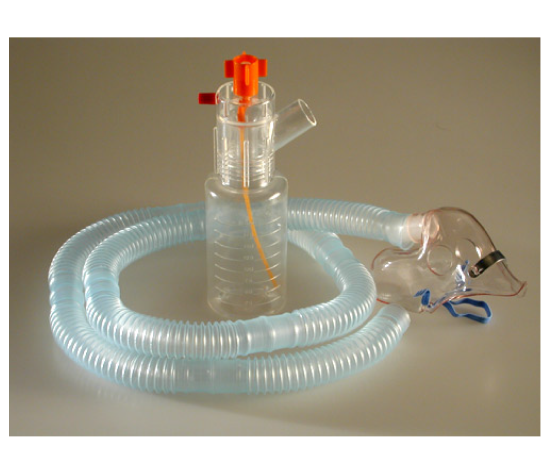
Cleaning a Nebulizer mask directly affects how consistently each treatment reaches the airways. The mask is part of the pathway that carries aerosolized medication toward the airways, so any dried residue, retained moisture, or contamination inside that pathway can change how the mist moves during later sessions. Over time, that can affect delivery consistency, increase contamination risk, and make treatment quality less predictable than it should be. For patients who depend on routine nebulizer therapy, especially infants, children, and those with sensitive airways, cleaning is part of protecting the treatment itself.
When a Nebulizer mask is cleaned well, the next treatment starts with a clearer delivery path instead of leftover medication film, trapped moisture, or surface contamination from the earlier session. That matters because aerosol therapy depends on the steady movement of mist through the mask and into the airways. If dried residue is allowed to remain on the mask or nearby parts, the treatment is no longer starting from the same condition each time, which can make repeated use less reliable.
Why Cleaning A Nebulizer Mask Matters For Effective Therapy
A nebulizer mask sits in the final part of the delivery pathway, which means its condition can influence what happens just before the aerosol reaches the patient. When medication dries on the inner surfaces or moisture lingers after use, the mask is no longer functioning as a clean interface. Instead, it becomes a place where residue accumulates, contaminants are more likely to persist, and the quality of repeated treatments can begin to drift.
That change may not be obvious after one use, but over time, it can affect how dependable therapy feels from session to session. Patients who rely on frequent nebulizer treatments need the mask to stay clean not only for hygiene, but because repeated buildup can make the delivery environment less controlled than it should be. Good cleaning keeps the interface more stable, supports safer reuse, and helps preserve the consistency expected from ongoing respiratory treatment.
This is why cleaning should be understood as part of respiratory care rather than a simple maintenance task. Good cleaning habits help preserve a clear pathway for aerosol movement, reduce the risk of contamination being reintroduced during later treatments, and support more dependable delivery from one session to the next. That connection between mask condition and therapy quality is where real value sits. For a deeper look at long-term care, read How to Properly Maintain and Clean Your Nebulizer for Long-Term Use to see how routine upkeep supports more consistent respiratory treatment over time.
Step-by-Step Process To Clean A Nebulizer Mask Safely
Cleaning should follow a consistent sequence because medication residue begins to dry and adhere within minutes, making it harder to remove and more likely to disrupt airflow and aerosol delivery in the next session. First, separate the mask, medication cup, and any removable parts from the main compressor so residue is not left sitting in areas that come into direct contact with medication or mist. After each use, rinse the mask and medication cup soon after treatment ends so the remaining solution does not dry onto the surface. Once the residue dries, it becomes harder to remove fully and more likely to affect the next session.
A more complete wash should then be done on a regular basis using mild soap and warm water, with careful attention to the inside surfaces where moisture and medication collect most easily. After washing, rinse thoroughly so soap does not remain behind and interfere with later use. Let each part dry completely on a clean surface before reassembly. That final drying step matters because moisture left behind can undermine the value of cleaning by creating conditions that allow contamination to return.
How Often Should You Clean And Replace Nebulizer Parts?
A nebulizer mask should be rinsed after each use because repeated exposure to medication and moisture creates buildup faster than many people realize. When treatment is used daily, soap-and-water cleaning should become a routine part of care rather than something done only when the device starts to look cloudy or worn. Frequent cleaning helps keep the system stable and also makes it easier to notice when a part is beginning to change in a way that could affect performance.
Replacement is just as important as cleaning because materials do not perform the same forever. Over time, masks can stiffen, cups can lose clarity, and repeated handling can change how securely parts fit together. Tubing presents a separate issue because internal moisture is harder to manage once it develops, which is why it is generally replaced instead of cleaned internally. Paying attention to these changes helps preserve treatment quality instead of waiting until performance has already declined.
Special Considerations For Infants And Pediatric Use
Cleaning matters even more in infant and pediatric care because young airways are more sensitive and less forgiving when equipment is not maintained well. A small amount of residue or contamination may seem minor, but in a child receiving repeated aerosol therapy, those details can affect tolerance, comfort, and the overall quality of delivery. Children also tend to rely more heavily on proper mask fit, because a poor seal can make treatment less efficient and more frustrating for both the child and the caregiver.
This is why caregivers should think beyond the basic act of washing the mask. They should also pay attention to dryness, fit, and whether the mask continues to sit comfortably and seal well during treatment. A clean mask that no longer fits properly is still a problem because good aerosol therapy depends on both hygiene and effective interface performance. If you are also exploring pediatric treatment details more broadly, read How many mL of Sodium Chloride for Nebulizer for Baby? for related guidance on infant nebulizer use.
Common Mistakes To Avoid When Cleaning A Nebulizer Mask
One of the most common mistakes is assuming that a quick rinse is enough to maintain safe and effective use. Rinsing helps remove visible medication, but it does not always clear the thin film that can build up over repeated sessions. Another mistake is using cleaning products that are too harsh for the mask material. Strong chemicals may seem more effective, yet they can shorten the usable life of the component, change the feel of the material, or affect how comfortably the mask sits against the face.
Drying mistakes can directly affect how safe and effective the next treatment will be. Reassembling parts too soon, storing them while damp, or drying them with surfaces that introduce lint or contamination can all reduce the benefit of cleaning. These problems are easy to overlook because the mask may still appear clean from the outside. In practice, though, proper cleaning is only complete when washing, rinsing, drying, and storage all support the same goal, which is preserving safe and consistent therapy across repeated use.
About B&B Medical Technologies
B&B Medical Technologies has built its reputation around respiratory and airway management solutions used in neonatal, pediatric, anesthesia, and critical care environments where dependable performance matters every day. Its product portfolio reflects long-standing experience with devices that must function reliably under repeated handling, ongoing cleaning routines, and demanding clinical conditions. That broader respiratory background matters because it shows a company that understands device care as part of treatment quality, not as an afterthought once the primary therapy has been selected.
That perspective gives B&B Medical Technologies real authority when discussing nebulizer maintenance. Effective nebulizer care depends on more than simply keeping parts visibly clean. It depends on preserving consistent aerosol delivery, supporting safe reuse, and making sure the interface continues to perform the way respiratory care demands. The company’s focus on usability, durability, and respiratory performance helps position it as a trusted source for products and education in settings where small maintenance failures can have meaningful effects on therapy.
Frequently Asked Questions
It should be rinsed after every use and washed with mild soap at least once daily when used regularly.
Tap water can be used for washing, but a final rinse with distilled or sterile water is recommended to avoid residue buildup.
Allow all parts to air dry on a clean surface. Avoid using towels that may introduce fibers or contaminants.
Replace it if it becomes stiff, cloudy, or shows signs of wear that may affect performance.
Yes. Residue and contamination can interfere with airflow and medication delivery, reducing treatment effectiveness.