Hydrocolloid technology has anchored wound care and device securement for decades, yet how it works is frequently misunderstood. The material does far more than cover skin. It responds to the skin environment, manages moisture at the interface, and releases with minimal trauma at removal. Those properties are why Hydrocolloid Patches appear throughout clinical practice, protecting fragile tissue and securing essential devices on delicate skin. Knowing the mechanism beneath the dressing, including how it absorbs fluid, holds moisture in balance, and shields against friction, makes it clear why clinicians choose hydrocolloid whenever skin integrity carries as much weight as a secure hold.
How Hydrocolloid Patches Work to Protect and Manage Skin
Hydrocolloid Patches work by interacting with the moisture at the skin surface rather than sitting on top of it. Applied over a wound, an irritated area, or a skin-contact site beneath a device, the material absorbs the fluid the tissue releases and converts it into a soft gel held inside the dressing. The patch also seals the area off from outside contaminants, creating conditions that support the skin’s natural repair.
This matters most where skin stays under stress for long stretches. Under adhesives, dressings, and tubing, the contact site faces constant moisture and handling, and a dressing that both protects the tissue and controls that moisture does real clinical work. A material that only covered the surface would leave the underlying skin exposed to exactly the conditions that cause it to break down.
This is why hydrocolloid appears across such a wide range of clinical uses, from protecting pressure-prone tissue to securing devices on fragile skin. In each case, the goal is the same, which is keeping the skin underneath healthy while the dressing or device does its job throughout the course of care.
What Hydrocolloid Material Is and Why It Responds to Moisture
Hydrocolloid is a dressing material built to react on contact with moisture, and that reaction is what sets it apart. It holds absorbent compounds inside a flexible adhesive layer. When the dressing meets fluid at the skin surface, those compounds pull the fluid in and lock it inside the dressing instead of leaving it to sit on the skin.
As the dressing takes in fluid, the absorbed fluid turns into a soft gel. That gel stays sealed inside the dressing instead of leaking onto the surrounding skin, so the patch keeps working and stays in close contact with the area the entire time it is worn. That steady contact is a large part of why the material performs reliably over long wear.
This active response is what separates hydrocolloid from a plain cover or adhesive strip. A simple bandage only shields the surface. Hydrocolloid manages the moisture at the skin interface while also limiting friction, bacteria, and the effects of repeated handling. It meets two clinical needs at once, protection and moisture control, which is why Hydrocolloid Patches remain a trusted choice in both wound management and device securement. Where skin sits under adhesives and tubing for long periods, a material that protects tissue and manages moisture clearly outperforms a dressing that does nothing more than cover the area.
How Hydrocolloid Patches Absorb Fluid and Form a Protective Gel
Once a patch is applied, fluid naturally present at the skin surface begins migrating into the dressing, which sets the absorption process in motion. This may include wound exudate, serum, or moisture that accumulates beneath a device against the skin. The material draws this fluid inward rather than allowing it to remain on the tissue.
As absorption continues, the hydrocolloid layer expands and traps the fluid within its structure. This removes excess moisture from the skin surface without drying the area out completely, which is an important distinction. The process continues steadily until the dressing approaches its absorption capacity or is removed and replaced.
The volume of fluid collected varies with the situation. A heavily draining site may show visible accumulation within hours, while a drier area may produce only minimal absorption across the full wear period. For clinicians, this variability is useful information, since the rate at which a Hydrocolloid Bandage fills reflects how much moisture the underlying area is producing. Reading that signal helps care teams judge when a dressing or securement site needs attention, supporting both skin health and the reliability of whatever the dressing is helping to hold in place.
Why Moisture Balance Supports Skin Integrity During Device Wear
The fluid-management process serves a larger purpose than collecting drainage, because healthy skin depends on a balanced environment that is neither too wet nor too dry. This balance becomes especially important wherever a device contacts the skin for an extended period, since the area faces moisture from perspiration, secretions, and humidity throughout care.
When tissue dries out completely, the surface can harden and become less hospitable to repair. When moisture goes unmanaged, the surrounding skin can macerate and break down. Hydrocolloid technology helps hold the middle ground by absorbing excess fluid while preserving the moisture that skin needs to stay intact and functional.
This is why hydrocolloid materials are valued in clinical securement as well as wound care. Skin under prolonged adhesive or device contact is vulnerable to exactly the moisture-related breakdown that hydrocolloid is designed to manage. A hydrocolloid dressing supports skin integrity not only through absorption but through its ability to sustain stable conditions over time. For fragile patients, maintaining that balance can be the difference between skin that tolerates extended securement and skin that deteriorates beneath it.
How Hydrocolloid Tape Shields Skin From Friction and External Stress
Skin under stress faces more than moisture-related challenges, since everyday movement exposes vulnerable tissue to rubbing, pressure, and repeated contact from clothing, bedding, equipment, and handling. These mechanical forces can aggravate sensitive skin and slow recovery, which makes physical protection a meaningful part of what hydrocolloid provides.
Hydrocolloid Tape acts as a barrier between the skin and these outside forces by placing a smooth, protective layer over the area. This shields delicate tissue from the friction and pressure that can cause additional trauma or increase irritation. For skin that is already fragile or healing, reducing this mechanical stress helps protect the progress the tissue has made.
This protective quality carries real value in clinical settings where devices and dressings stay in place for long periods. The barrier limits the friction that builds up between skin and equipment during routine handling, turning, and movement. By absorbing some of that mechanical stress, Hydrocolloid Tape helps preserve the skin beneath it while supporting a stable, comfortable interface. Combined with its moisture management, this barrier function is part of why hydrocolloid suits the prolonged, contact-heavy demands of medical securement so well.
Why Hydrocolloid Patches Change Color as They Absorb Moisture
The cloudy or white appearance that develops in hydrocolloid dressings is a direct result of the absorption process taking place underneath, and understanding it helps clinicians read the dressing correctly. As fluid builds up inside the hydrocolloid layer, the material shifts from its original appearance to an opaque or whitened look, and the more fluid absorbed, the more pronounced this change tends to become.
This color change is often misread, so the distinction is worth making clear. The whitening is not tissue or any substance being pulled out of the skin. It is simply the fluid that has become trapped within the dressing structure as it gels. The degree of whitening serves as a visual indicator of how much moisture the patch has managed during wear.
For care teams, this signal has practical value. A Hydrocolloid Patch that whitens quickly suggests a moist or heavily draining area, while a slower change suggests a drier site. Reading this cue helps clinicians decide when a dressing or securement point needs checking or replacement, which supports both skin protection and consistent performance throughout extended use.
How Hydrocolloid Patches Differ From Standard Adhesive Bandages
Although hydrocolloid products and traditional bandages can look similar at a glance, they are built to accomplish different goals, and the difference matters in clinical care. A standard adhesive bandage exists primarily for coverage, protecting an area from dirt and minor external contamination while doing little to interact with the skin beneath it.
Hydrocolloid products are designed to work with the skin environment instead of merely covering it. By absorbing fluid and regulating moisture at the interface, they participate in managing the conditions that affect skin integrity and healing. This active role is the central distinction, and it is what makes a Hydrocolloid Bandage behave so differently from an ordinary dressing during extended wear.
That difference becomes significant whenever skin must tolerate prolonged contact. A few key contrasts stand out:
- Moisture handling. Hydrocolloid absorbs and manages fluid, while standard bandages mostly let it accumulate.
- Skin contact. Hydrocolloid conforms and gels at the interface, supporting gentler, more stable contact.
- Removal profile. Hydrocolloid tends to release more gently, reducing the trauma that a stronger adhesive can cause.
These distinctions explain why hydrocolloid is chosen for fragile skin and demanding securement rather than being treated as interchangeable with everyday bandages.
How B&B Medical Technologies Applies Hydrocolloid Technology in Airway Securement
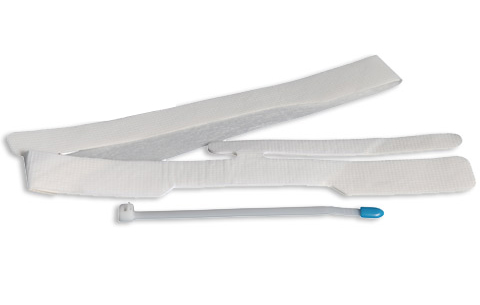
As the leading designer of clinically proven airway securement devices, B&B Medical Technologies engineers these hydrocolloid properties into Baby Tape Plus, a pre-cut infant endotracheal tube holder made from a non-irritating, latex-free hydrocolloid adhesive. Securing a newborn airway demands exactly what hydrocolloid delivers, which is controlled moisture management, conforming skin contact, and atraumatic removal. The material follows the contours of a baby’s face, holds the tube firmly through routine handling, and minimizes the wear and removal stress that fragile skin tolerates poorly.
That engineering choice reflects a clear clinical priority. In neonatal care, the device has to stay precisely in place, and the skin beneath it has to stay intact, with neither goal sacrificed for the other. Selecting a hydrocolloid for the skin interface lets a critical securement device meet both at once. It is a direct application of the same fluid management, conformability, and gentle release covered throughout this article, applied where the margin for skin injury is smallest and the airway matters most.
Frequently Asked Questions
They pull excess fluid away from the skin and hold it inside the dressing, while creating a clean, protected space underneath that helps the skin stay healthy. So they manage moisture and shield the area at the same time, rather than just covering it.
As the dressing absorbs fluid, that fluid turns into a gel inside the patch, and the patch goes white or cloudy where the fluid collects. The white area is trapped fluid sitting inside the dressing, not anything being pulled out of the skin. A larger white spot simply means the patch has taken in more moisture.
A regular bandage mainly covers the area and keeps out dirt. A Hydrocolloid Bandage does more than cover. It absorbs fluid from the skin and keeps the moisture underneath in balance, which protects the skin and supports healing through longer wear.
Yes. Hydrocolloid Tape suits fragile skin because it does two things at once. It controls moisture at the skin surface and forms a soft barrier that cushions against friction and pressure, all while releasing gently when it is removed.
It depends on how much fluid the area produces. A dressing keeps working until it nears its absorption limit or starts to lift, so heavily moist sites fill faster and need changing sooner than drier ones.
Skin does best when it is neither too dry nor too wet. Too dry and the surface can harden, too wet and it can break down, so keeping that balance helps the skin stay intact, which is what hydrocolloid is designed to do.