Maintaining the position of an ET Tube Holder is critical for effective airway management; even a minor movement can impact ventilation and, ultimately, patient well-being. Once intubated, the tube must remain at the correct depth, at the lip line, despite patient movements, suctioning, transport, or connection to a ventilator. Consequently, clinicians favor securement methods that withstand the rigors of actual bedside care, rather than temporary solutions.
A reliable Endotracheal Tube Holder is essential for maintaining tube stability, allowing clinicians to perform oral care, verify centimeter markings, and examine the lips and surrounding skin without obstruction. The holder, when working as intended, firmly holds the tube in place while performing standard care tasks. This includes things like moving the patient, suctioning, or tweaking the ventilator setup. This guide will walk you through the primary methods for securing endotracheal tubes. This analysis will highlight the differences between these methods and the key factors that influence a team’s choice of the safest approach.
What Is an ET Tube Holder?
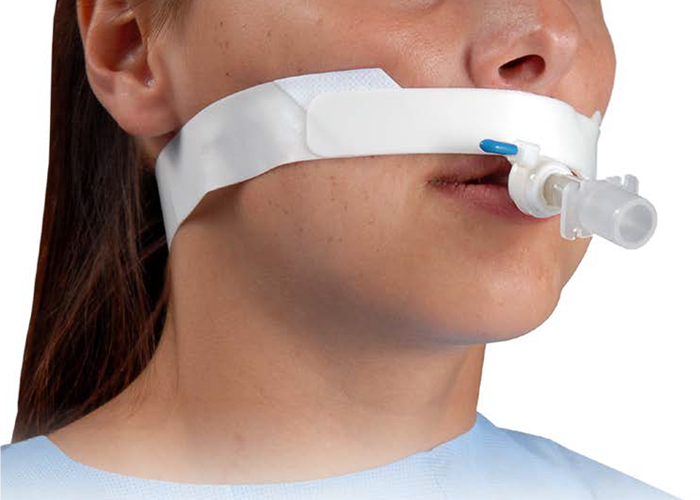
An ET Tube Holder is essentially a stabilizing device. The goal is to secure an endotracheal tube after it’s been inserted, maintaining the correct position throughout the patient’s time on a ventilator. The holder secures the tube close to the mouth, which in turn helps to minimize movement. This is particularly important when the patient is repositioned, during suctioning, or when the ventilator circuit exerts a pull on the airway. That control matters because even a small shift can change where the tube sits in relation to the trachea.
Unlike simple tape methods, a dedicated holder gives clinicians a more organized way to manage the airway during routine care. They can confirm centimeter markings more easily, perform oral care without disturbing the whole setup, and assess the lips and cheeks for pressure or moisture injury. In longer ventilation cases, that added control helps teams protect both tube position and skin condition at the same time.
What Are the Main Methods Used to Secure an Endotracheal Tube?
Several methods are used in clinical care to secure an airway. Each one is meant to keep the tube in place, but they do not perform the same way once moisture builds up, the patient is moved, or repeated care is needed at the bedside.
Common securement approaches include:
- Adhesive tape placed across the face to anchor the tube
- Cloth or twill ties wrapped around the head and tied to the tube
- Commercial Endotracheal Tube Holder systems designed for structured stabilization
- Hybrid securement methods used in special clinical situations
Tape may loosen when exposed to oral secretions or condensation from humidified ventilation circuits. Ties can sometimes shift during repositioning or create uneven facial pressure. A commercial holder is frequently the choice for teams seeking greater tube stability and simplified reassessment during standard care procedures.
Key Components of Effective Endotracheal Securement
A reliable airway setup depends on more than fastening the tube to the face. Clinicians look at several practical details to make sure the tube stays stable during ventilation and routine care.
1. Tube Stability During Patient Movement
Patients on ventilation are turned often for skin care, lung support, and comfort. The securement method has to keep the tube from moving when the head is repositioned or when the ventilator circuit is handled. Even a small shift at the lip line can change tube depth inside the airway.
2. Clear Access to Tube Depth Markings
Endotracheal tubes have centimeter markings, which are crucial for clinicians to check proper placement. A securement technique that maintains the visibility of these markings allows staff to swiftly assess whether the tube’s position has shifted.
3. Safe Oral Care and Skin Inspection
Ventilator-dependent patients need regular oral care to reduce the risk of infection and keep their tissues healthy. The method of securing the patient should permit access to the lips and mouth without having to dismantle the entire setup.
4. Protection of Lips and Facial Skin
Continuous pressure from tubes and adhesive materials can irritate the lips, cheeks, and nearby skin. A well-designed holder spreads pressure more evenly and lowers the friction that can lead to skin breakdown.
5. Resistance to Moisture and Secretions
Airway care involves saliva, condensation, and humidified airflow. A securement method has to keep working even when moisture builds up around the mouth.
6. Consistency Across Care Teams
Standardized securement methods help reduce variation between caregivers. When each clinician uses the same type of holder and the same positioning approach, it is easier to keep airway care consistent.
How Does a Commercial Endotracheal Tube Holder Compare With Tape or Ties?
Tape and ties have been used for years, but many hospitals now choose a structured Endotracheal Tube Holder because it gives more predictable stability. Tape can loosen once it is exposed to secretions, and repeated tape removal can irritate the skin.
Commercial holders are built to support steady tube positioning while still allowing planned adjustment when needed. They also make routine airway care easier because clinicians do not have to remove the full securement setup every time they need access to the mouth or tube markings. For a broader overview of clinical securement strategies, see Endotracheal Securement: Comprehensive Guide by B&B Medical.
What Makes One Securement Method Better Than Another?
The most reliable method is the one that keeps the tube steady during normal care. Clinicians look at whether the tube stays at the same depth after repositioning, oral care, suctioning, and ventilator adjustments.
If a securement setup slips when the patient is turned or when the ventilator circuit is moved, it is not reliable enough for airway management. Long-term stability matters more than how secure the setup looks right after placement.
To explore how securement techniques influence overall airway stability, read Ensuring Airway Stability: A Guide to Endotracheal Securement and Tube Holders.
When Should Clinicians Reassess Tube Securement?
Endotracheal tube security needs frequent reevaluation throughout patient care. The tube’s depth can shift due to various factors, including patient repositioning, transport, suctioning procedures, and ventilator settings.
After repositioning a patient, giving oral care, or noticing more moisture around the mouth, clinicians usually check the tube’s securement again. Routine inspections are essential to ensure the tube remains correctly positioned and that the skin hasn’t begun to deteriorate.
Why Standardized Holders Matter in High-Risk Airway Care
In critically ill patients, even a small change in tube depth can affect ventilation or airway protection. Standardized holder systems help clinicians follow the same securement approach across different shifts and caregivers.
That consistency can lower the risk of accidental extubation and make airway monitoring more reliable during longer periods of ventilation. When teams evaluate airway equipment across both endotracheal and tracheostomy care, Ensuring Airway Security: Endotracheal Tube Holder and Tracheostomy Tube Holder provides a helpful comparison of stabilization strategies.
Why B&B Medical Technologies Supports Better Airway Securement
B&B Medical Technologies is known for developing respiratory and neonatal care solutions used in hospitals, NICUs, and critical care environments around the world. The company focuses on products that support real bedside needs, including airway stabilization, neonatal respiratory support, and skin-friendly securement systems used during ventilation and oxygen therapy. Their product range includes airway securement devices, respiratory support accessories, and neonatal care solutions designed to help clinicians manage fragile patients more safely and efficiently, reflecting broader clinical priorities such as Why Bite Blocks Are Essential in Endotracheal Tube Protection and Patient Safety, where protecting the airway and maintaining device integrity are central to effective care.
In airway management, reliability and skin protection are especially important because patients may remain intubated for extended periods. B&B Medical designs products such as Endotracheal Tube Holder systems with clinical workflow in mind, helping clinicians maintain stable tube positioning while still allowing access for oral care, suctioning, and tube depth checks. By focusing on stability, usability, and tissue protection, the company helps care teams maintain safer ventilation practices while reducing the risk of tube displacement or skin complications during treatment—aligned with the same considerations highlighted in Why Bite Blocks Are Essential in Endotracheal Tube Protection and Patient Safety, where consistent positioning and protection support both patient comfort and clinical safety.
Frequently Asked Questions
An ET Tube Holder keeps an endotracheal tube steady so it stays at the correct depth during ventilation and routine patient care.
An Endotracheal Tube Holder often gives more consistent stability than tape because it handles moisture better and makes tube checks and repositioning easier.
Securement should be checked regularly and reassessed after repositioning the patient, performing oral care, suctioning, or adjusting ventilator tubing.
Poor securement can lead to tube migration, accidental extubation, airway injury, and unstable ventilation.
Clinicians look at stability, ease of adjustment, skin protection, moisture resistance, and whether the device keeps the tube depth easy to monitor.