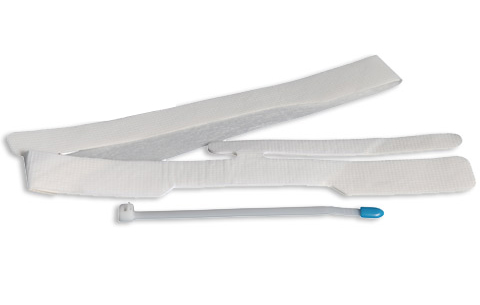
Bite blocks are used for a reason; they create separation, protect appliances, and control contact when the bite would otherwise interfere with treatment or airway management. The concern about tooth damage usually comes down to where the force is applied and how long the contact is repeated. When pressure is concentrated on a single point, or when a device is poorly fitted, the teeth and jaw can respond with soreness, sensitivity, or uneven wear patterns.
While most patients do not experience permanent harm when bite blocks are used correctly and monitored, some risk still exists. How well the mouth tolerates contact over time depends on the material used, where the bite block is placed, and the patient’s specific characteristics, such as teeth grinding, enamel condition, and bite pattern. Understanding how bite blocks work and what clinicians monitor helps patients and caregivers recognize normal situations and know when adjustments are needed.
Why Bite Blocks Are Used and What They Are Meant to Prevent
In orthodontics, bite blocks can protect brackets and help guide occlusion changes by reducing heavy contact that would otherwise break appliances or stall movement. In airway management and anesthesia, bite blocks are used to protect endotracheal tubes from being blocked by biting. They also help reduce sudden pressure on soft tissues when a patient becomes more aware. The underlying goal in both settings is controlled separation and safer contact patterns.
Because the use case matters, clinicians choose bite block designs based on where contact needs to be limited and what structure needs protection. Orthodontic bite blocks may be placed on back teeth to open the bite and keep brackets from colliding, or used as smaller buildups to guide how the jaw closes while teeth are moving. In airway and anesthesia settings, the focus is usually on tube protection and maintaining a predictable bite opening without creating a hard pressure point on a single tooth. If you want a deeper orthodontic breakdown of placement choices and what patients should expect during follow-ups, read Bite Block for Braces to learn more.
When Tooth Sensitivity or Wear Can Occur With Bite Block Use
Tooth symptoms usually occur when pressure is concentrated and repeated. A bite block that is positioned too far forward, sits unevenly, or is too tall can shift load to a smaller surface area, increasing localized soreness or sensitivity. Patients who clench or grind can amplify these forces, especially during sleep when jaw pressure is sustained.
Wear patterns can also develop if a device causes teeth to contact in an unintended way over time. Orthodontists and clinicians watch for early signs such as persistent tenderness, changes in bite comfort, jaw fatigue, or visible wear at the contact points. Early adjustment is typically simple and prevents prolonged stress on enamel and periodontal tissues.
Fit and Material Factors That Reduce Risk Over Time
Fit is the primary driver of tolerance. A bite block that sits flush, distributes contact, and stays stable during normal movement reduces focal pressure and decreases irritation. Material choice matters because softer designs can cushion contact, while firmer designs may provide more stability but require more careful placement and monitoring.
In orthodontic use, bite blocks are usually planned to support treatment goals, then refined during follow-up visits as tooth movement changes the bite relationship. For a clearer explanation of how orthodontic bite blocks support treatment mechanics, read How Bite Block Helps Braces Treatment for a detailed understanding.
Clinical Scenarios Where Monitoring Becomes More Important
Monitoring becomes more important when the patient’s bite force is high, when the device is used for longer periods, or when the mouth is already vulnerable. Patients with bruxism, thin enamel, jaw pain, or a history of sensitivity can respond to contact changes more quickly. In those cases, clinicians take a more proactive approach, checking contact points, asking about morning soreness, and adjusting height or placement sooner.
In airway management, bite blocks are used to protect tubes and reduce occlusion risk during anesthesia and intensive care. Placement and reassessment are key because oral secretions, moisture, and patient movement can change how the device sits over time. For the clinical airway context, read Endotracheal Tube Bite Blocks Guide to learn more.
B&B Medical Technologies Support for Safe Airway and Patient Care
B&B Medical Technologies develops patient care products used in environments where device stability and tissue protection are both required. That experience informs designs that aim to reduce avoidable pressure points, support consistent placement, and allow quick reassessment during routine care events, reflecting the same practical, step-by-step approach seen in How to Clean a Nebulizer Machine: A Complete Guide, where consistency and proper technique support reliable performance over time.
By focusing on practical use and repeatable handling, B&B Medical Technologies supports clinicians who need bite block solutions that help protect airway devices while maintaining patient comfort. When selection and monitoring are consistent, bite blocks can do their intended job without creating unnecessary dental or soft tissue stress—aligned with the principles behind How to Clean a Nebulizer Machine: A Complete Guide, where routine care and attention to detail help maintain both device function and patient safety.
Frequently Asked Questions
Cracking is uncommon when bite blocks are fitted and monitored appropriately. Risk rises when forces are concentrated, when clenching is severe, or when the device sits unevenly.
Mild soreness can happen as the bite adjusts. Persistent pain, sharp sensitivity, or worsening discomfort should be reported for adjustment.
They are used to guide contact during treatment or airway support, and changes are typically managed and monitored by the clinician. Concerns about bite changes should be discussed early.
Persistent tenderness, uneven contact, jaw fatigue, or visible wear at a single point are common signs. Clinicians can usually correct fit and height quickly.
Yes, when the device is selected for the child’s needs and monitored. Comfort, contact points, and follow-up checks help keep users safe.