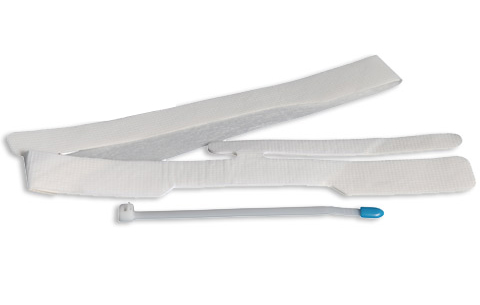
A bite block is a small component, but it often sits at the center of bigger clinical goals. It can protect an airway device from jaw pressure, support safer access during oral procedures, or help maintain predictable positioning when comfort and tolerance matter. When selection is done thoughtfully, it reduces interruptions during care and helps clinicians maintain the plan they intended from the start.
In practice, Bite Block use is shaped by the setting, the patient’s level of responsiveness, and what needs to be protected. Some situations call for firmness and stability, while others prioritize comfort, fit, and easy monitoring. Understanding the main applications makes it easier to match the design to the workflow and avoid avoidable complications.
Airway Protection During Intubation, Ventilation, and Recovery
In airway management, jaw closure and clenching can create real risk for tube compression, partial occlusion, or unplanned movement. During lighter sedation, suctioning, or turning, even brief bite pressure can alter ventilation and trigger rapid changes in waveforms and pressures. A bite block helps protect the lumen and gives clinicians more time to assess what is driving the change without losing airway continuity.
This application is not only about protection in a single moment. It also supports consistency across repeated care events, especially when the patient is transitioning between levels of sedation or beginning spontaneous breathing trials. When clinicians can rely on stable protection at the mouth, they can focus attention on respiratory response, secretion management, and positioning rather than repeated rework of the airway setup.
Procedural Support in Dentistry and Oral Care Workflows
During dental and oral procedures, maintaining access and limiting fatigue are often as important as the procedure itself. Patients who struggle to keep the mouth open or who have jaw discomfort may benefit from a device that supports a stable opening without forcing constant effort. This can help improve visibility, reduce sudden movement, and make the appointment more tolerable.
In clinical environments, oral care also has a safety dimension, particularly for patients with airway devices or limited ability to cooperate. A stable, supported opening can make oral hygiene, suctioning, and inspection more efficient and reduce the chance of accidental biting during stimulation. When comfort and safety are both addressed, routine oral care becomes easier to complete consistently.
For a deeper breakdown of purpose and day-to-day expectations, read What Is Bite Block & How Does It Help With Braces? for a detailed understanding.
Orthodontic Applications for Braces and Bite Correction
In orthodontics, bite blocks are used to create separation between teeth so brackets and wires are protected while the bite is being corrected. They can reduce unplanned contact that would otherwise break appliances or slow progress. For many patients, they also help guide how the jaw closes during treatment, which supports more predictable movement over time.
Because tolerance drives compliance, fit and comfort matter. Patients often need guidance on what to expect in the first days, how chewing may feel, and how to manage soreness while still keeping oral hygiene consistent. For a focused explanation of common orthodontic use cases, read Bite Block for Braces to learn more.
How Clinicians Choose the Right Design for the Setting
Selection begins with the clinical objective. If the priority is protecting an airway device from compression, clinicians look for stable positioning, materials that hold shape under pressure, and designs that allow quick visual checks. If the priority is procedural support, comfort, and fit often take the lead, along with how easily the device can be placed and removed without disrupting care.
Monitoring and workflow also matter. Devices that allow clear inspection, predictable positioning, and repeatable placement habits reduce variation across shifts and appointments. This is often where small design differences become meaningful, especially in environments with frequent handling, moisture, and patient movement.
B&B Medical Technologies Support for Patient-Focused Bite Protection
B&B Medical Technologies has built its product portfolio through long-term collaboration with clinicians working in airway management, dental care, and patient safety–critical environments. That experience informs bite protection solutions engineered to remain stable during routine handling, patient repositioning, oral hygiene, and periods of fluctuating responsiveness, where consistency and reliability directly affect care continuity.
By emphasizing material integrity, predictable fit, and compatibility with established respiratory and procedural workflows, B&B Medical Technologies supports more controlled use across repeated care events. This design approach helps clinicians maintain protection without frequent readjustment, limits avoidable disruptions during care, and provides confidence that airway devices or oral access remain secure as clinical conditions evolve.
Frequently Asked Questions
They are often used to protect oral devices from jaw pressure and reduce sudden interruptions during routine handling. This is especially relevant when patients become more responsive.
No. They are also used in dentistry, oral care, and orthodontics to maintain access, support comfort, and protect appliances.
Yes, especially in the first few days. Many patients notice bite changes and mild soreness until the mouth adjusts.
Clinicians monitor positioning, tolerance, and any signs of pressure irritation. They also reassess after-care events that involve stimulation or repositioning.
The choice depends on the objective, the care setting, and the need for stability versus comfort. Repeatable placement and easy inspection are also important.