Tube occlusion risk often builds during routine care rather than appearing out of nowhere. As sedation lightens, normal activities such as oral care, suctioning, or a turn can trigger brief jaw closure or small tube movement at the lips. Even a short change in pressure can narrow airflow enough to show up as higher airway pressures, a change in ventilator waveforms, or a shift in capnography before the issue is obvious on visual inspection.
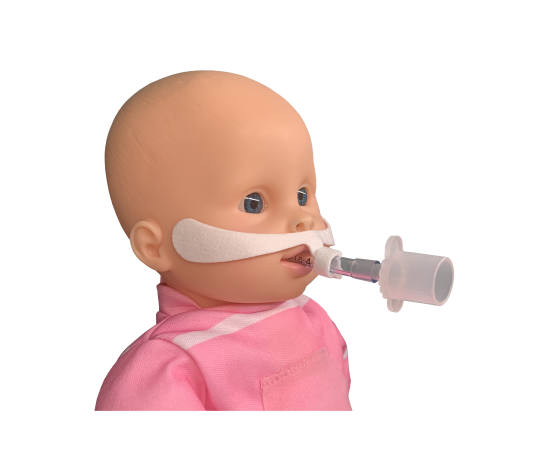
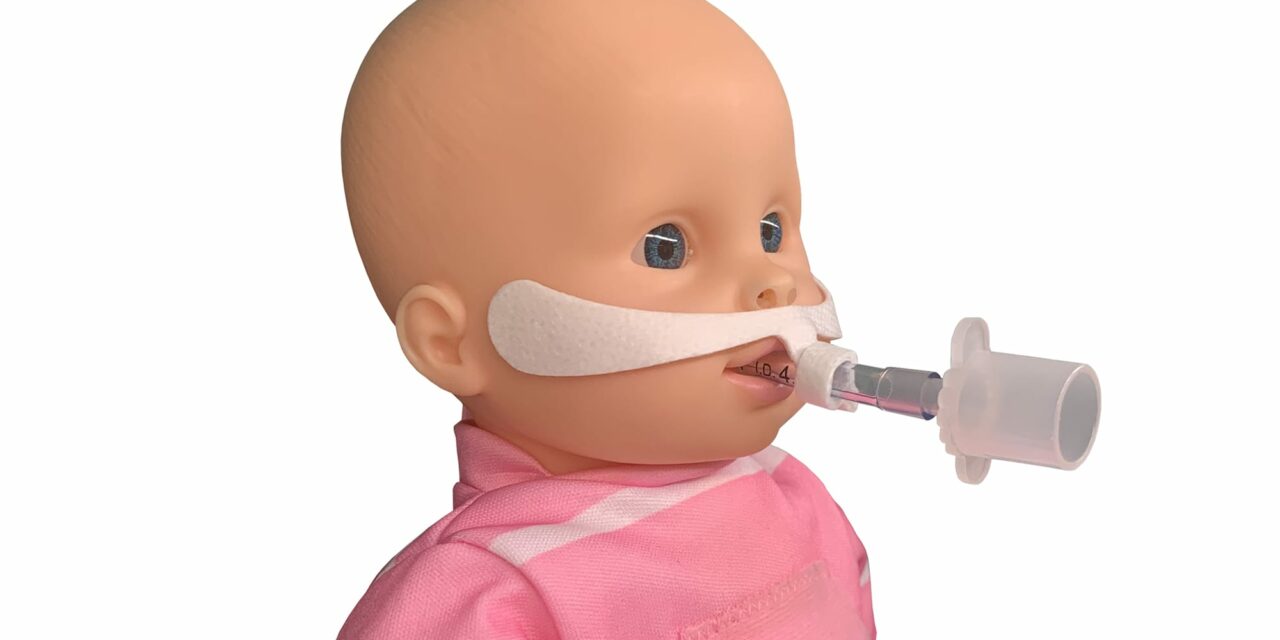
An ET Tube Holder combined with a bite block supports a steadier setup by holding alignment at the face while protecting the tube from compression in the mouth. When these controls work together, teams can reduce sudden narrowing during stimulation and keep positioning more consistent as the circuit and head position change. It also makes reassessment faster after common interventions, so small changes are addressed early, and ventilation remains more predictable.
How Bite Compression Contributes to Tube Occlusion
Tube occlusion most often develops when jaw tone returns unevenly or when a patient bites down during moments of stimulation. Even brief clenching can narrow the tube lumen, increase resistance, and alter ventilator pressures. These changes may appear without warning and can escalate quickly if the airway is not protected.
An ET tube holder with bite block reduces this risk by maintaining a protected pathway through the mouth when jaw pressure increases. The bite block absorbs force that would otherwise compress the tube, allowing ventilation to continue while clinicians identify and address the cause of the response. This added protection is especially valuable during lighter sedation phases, when airway reflexes begin to return.
The Role of Securement Stability in Airway Safety
Stability at the lips has a direct impact on whether airflow remains consistent during care. When an endotracheal tube drifts even slightly or begins to rotate, pressure from the jaw or surrounding structures can be applied unevenly, raising the risk of kinking or partial narrowing. A properly fitted holder helps keep the tube centered and reduces movement caused by circuit weight or routine head repositioning.
Teams keep that stability by using the same quick checks during routine care. They confirm the depth mark at the lips, glance at waveforms for any new resistance or leak, and recheck alignment after a turn, suctioning, or oral care. When securement and bite protection work as one setup, it is easier to spot small shifts early and correct them before ventilation changes.
Patient-Specific Factors That Influence Occlusion Risk
Occlusion risk varies across patient populations and care settings. Pediatric patients often require different sizing and placement approaches because of smaller oral anatomy and greater sensitivity to pressure. Care teams adjust securement strategies carefully to maintain protection without creating unnecessary discomfort. For pediatric-focused considerations, read Endotracheal Tube Holder Pediatric to learn more about age-appropriate airway support.
In adult care, bite strength and jaw fatigue can fluctuate throughout the day, particularly during weaning or procedural care. Selecting a bite block that fits well and remains properly positioned helps maintain protection as patient responsiveness changes. For additional insight into adult bite protection options, read Universal Bite Block (Adult)™ – Bite Block Solutions for ET Tube Protection for a detailed understanding.
B&B Medical Technologies Support for Occlusion Prevention
B&B Medical Technologies has developed airway management products over many years of working alongside clinical teams in critical and acute care settings. This experience informs solutions that prioritize stable tube alignment and effective bite protection while remaining easy to assess during routine bedside care. The focus stays on supporting everyday workflows where moisture, movement, and frequent handling are expected rather than exceptional.
Alongside its product range, B&B Medical Technologies emphasizes practical use habits that help teams apply, inspect, and maintain airway securement in a consistent way. When placement checks and reassessment routines are shared across shifts, small changes are identified earlier, and corrective steps stay simple. This consistency helps clinicians trust the airway setup and concentrate on patient response and ventilation trends throughout care.
Frequently Asked Questions
It helps prevent a patient from biting down and narrowing the tube. This is especially helpful as sedation lightens during suctioning and repositioning.
Yes, it can still happen from thick secretions, kinking, or a shift in tube position. The setup lowers risk, but monitoring still matters.
Reassess after turning, suctioning, sedation changes, or any circuit adjustment. Also, reassess right away if pressures, leaks, or patient effort change.
Yes, but the size and placement have to match pediatric anatomy. Teams also watch pressure points closely because tissues are more delicate.
No. It supports stability, but clinicians still confirm depth, alignment, and ventilation trends. Regular reassessment remains part of safe airway care.