Choosing the best nebulizer for infants takes more than picking the first compact unit you find online. Infants have narrow airways, limited tolerance for long treatments, and a much smaller margin for poor mask fit or inconsistent aerosol delivery. Parents and clinicians usually need a setup that delivers prescribed medication efficiently, runs reliably, and supports calm, practical treatment sessions without adding avoidable stress during a respiratory episode.
The right choice also depends on how the device will be used, what medication has been prescribed, and whether treatment is happening in a hospital, clinic, or home setting. A well-matched system should be easy to set up, simple to clean, and appropriate for infant care rather than general family use. This guide breaks down the core features that matter, how to compare options, and what to know before choosing a nebulizer setup for a baby.
What Makes the Best Nebulizer for Infants Different From A Standard Device?
Not every respiratory device is built with infant care in mind. The features that matter for babies are tied to practical treatment delivery, including a mask that fits a small face properly, a treatment time short enough to improve cooperation, and a system that produces a consistent aerosol output without becoming difficult for caregivers to handle.
A standard adult-focused Nebulizer may still aerosolize medication, but that does not automatically make it ideal for infant use. Infant selection should focus on treatment efficiency, comfort, noise level, cleaning requirements, and whether the setup supports repeated use during periods of congestion, wheezing, or prescribed airway therapy.
Which Features Should You Prioritize First?
When parents search for a Nebulizer Machine, they often focus on brand, size, or price first. Those details matter, but infant care usually depends more on performance and usability. A machine that is easy to carry but difficult to clean, too loud for a restless baby, or poorly matched to the prescribed medication can quickly become frustrating in real use.
The strongest buying decisions usually start with these factors:
- Proper infant mask fit that seals gently without pressing too hard on the nose and cheeks
- Reliable aerosol output that supports consistent medication delivery
- Reasonable treatment time, so sessions are easier to complete
- Simple assembly and cleaning steps for repeated daily use
- Stable compressor performance or dependable mesh design, depending on the prescribed setup
- Clear manufacturer instructions for routine care and replacement parts
If you are comparing use in the first weeks of life, read Are Nebulizers Safe for Newborns? to better understand how age, diagnosis, and clinician guidance affect safe use.
Why Mask Fit And Aerosol Delivery Matter So Much
For infants, successful treatment depends heavily on how much aerosol actually reaches the airways. A loose mask, frequent crying, or poor positioning can reduce effective delivery. That is why the best system is not only about the medication chamber. It is also about how well the entire setup works when a baby is moving, upset, congested, or feeding between care intervals.
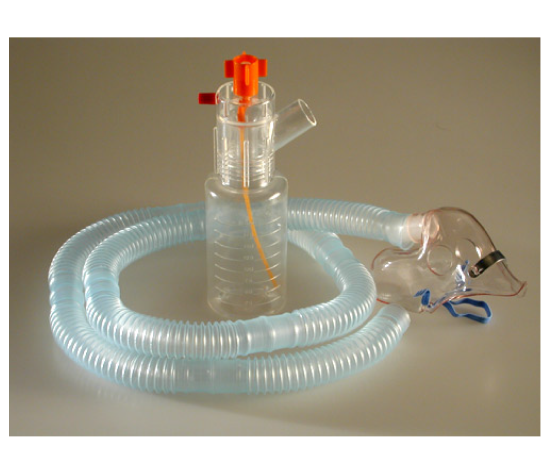
A good infant mask should sit securely over the nose and mouth without excessive leak. The Nebulizer Machine should also produce a dependable mist pattern that works with the medication prescribed by the clinician. In practice, this means caregivers should look beyond marketing language and focus on whether the device supports repeatable treatments, realistic home use, and a setup they can manage correctly under pressure.
How Treatment Time, Noise, And Ease Of Use Affect The Treatment
A long treatment session can be difficult even for adults. For infants, it can quickly become the reason a session turns incomplete. Devices that run loudly or require too many handling steps may make routine use harder for families, especially during nighttime care, illness flare-ups, or repeated daily treatments.
This is where a quality Nebulizer setup can make a real difference. Faster sessions, quieter operation, and simpler medication loading improve the odds that caregivers can complete treatment as prescribed. The best buying choice is usually the one that supports consistent use over time, not just the one with the most impressive product page. For a broader equipment comparison beyond infant-specific selection, see Choosing the Best Nebulizer for Homecare: A Comprehensive Buyer’s Guide.
When to Use A Hypertonic Saline Nebulizer for Infants?
A Hypertonic Saline Nebulizer for infants is not a general wellness purchase or a routine first option for every cough or cold. It is typically considered when a clinician wants nebulized saline to help with secretion management or specific respiratory care goals. The important point for caregivers is that the medication plan should drive the equipment choice, not the other way around.
If a baby has been prescribed saline nebulization, the device should be compatible with that intended use and easy to clean between sessions. Caregivers should also understand that clinical guidance matters because saline concentration, treatment frequency, and the reason for use can vary by condition and care setting. A machine that performs well with prescribed saline therapy should deliver consistent aerosol output without creating unnecessary complexity during a stressful care routine.
Should You Choose A Compressor Or a Mesh Nebulizer Machine?
Both compressor and mesh systems can be useful, but the right choice depends on the infant’s treatment plan and the caregiver’s workflow. Compressor units are often selected for dependable performance and broad medication compatibility. They may be bulkier, but many caregivers value their straightforward setup and familiar operation.
Mesh devices are often appreciated for portability and quieter use, which can help during infant treatments. At the same time, they need careful maintenance and proper handling to keep aerosol performance consistent. When choosing between the two, it helps to think about who will administer treatments, how often the device will be used, whether the infant will need travel-friendly care, and how comfortable the caregiver is with cleaning and upkeep.
How Cleaning And Maintenance Influence Safety
Respiratory equipment for infants should never be chosen without considering cleaning demands. Medication residue, moisture retention, and poorly dried parts can affect performance and hygiene. Parents often underestimate this during the buying stage, but maintenance becomes one of the most important parts of successful long-term use.
The best infant setup is one that caregivers can clean correctly every time. That includes understanding which parts need washing after treatment, how often accessories should be replaced, and whether the design makes routine care manageable. If the system is difficult to maintain, families may struggle to keep treatments consistent. Parents comparing age-specific concerns may also want to review Is Nebulizer Safe for a 2-Month-Old Baby? before making a purchase decision.
Why B&B Medical Technologies Supports Better Infant Respiratory Care
When clinicians and caregivers evaluate the best nebulizer for infants, they usually need more than a consumer product checklist. They need equipment decisions grounded in respiratory care realities, including infant tolerance, consistent delivery, and practical maintenance. B&B Medical Technologies approaches respiratory support with that same clinical mindset, focusing on products that reflect real bedside needs rather than generic device claims, while also aligning with practical care considerations such as How often can you use a Saline Nebulizer on a Baby?, where frequency, tolerance, and clinical intent all influence how therapy is delivered.
That matters because infant respiratory care depends on details. Mask fit, treatment consistency, secretion management goals, and caregiver usability all shape whether a setup works well in everyday care. A brand rooted in respiratory therapy and neonatal support brings more value to the conversation because the choice is not only about buying a machine. It is about selecting a system that supports safer, more dependable care when small airway patients need thoughtful treatment delivery—consistent with the same reasoning behind How often can you use a Saline Nebulizer on a Baby?, where careful, informed use supports effective and well-tolerated treatment.
Frequently Asked Questions
The best option is usually the one that matches the baby’s prescribed medication, fits well with an infant mask, and is manageable for the caregiver to use and clean consistently. Comfort, treatment time, and reliable aerosol delivery matter more than appearance or extra features.
Not every device is a good infant choice. A baby may need a properly sized mask, dependable aerosol performance, and a setup that works well with prescribed medications and frequent cleaning. It is best to confirm suitability with the prescribing clinician.
No. A Hypertonic Saline Nebulizer for infants should only be used when a clinician recommends it for a specific reason, such as secretion management or another defined respiratory goal. It should not be treated as a universal home treatment for every infant’s cough or cold.
Cleaning should usually happen after each treatment session according to the manufacturer’s instructions. Regular drying, proper storage, and timely replacement of worn parts are important because moisture and residue can affect both hygiene and performance.
For infant care, treatment performance usually comes first. A portable machine is helpful, but reliable aerosol delivery, infant mask fit, manageable noise level, and easy maintenance have a bigger effect on whether treatments can be completed correctly and consistently.