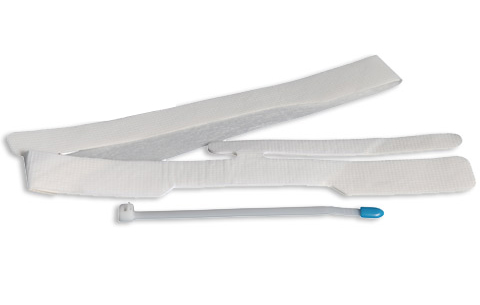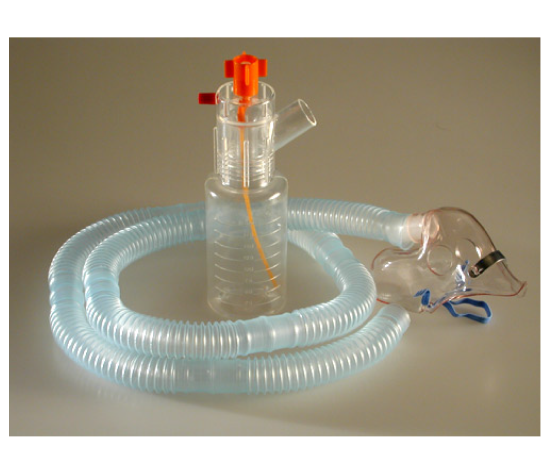
CPAP stands for continuous positive airway pressure, a way of helping a newborn breathe without putting a tube down into the airway or taking over breathing entirely. Bubble CPAP is the specific version of this therapy most commonly used in NICUs. It works through small prongs that sit just inside the baby’s nose, delivering steady pressure that keeps the lungs from collapsing between breaths. For a baby who can breathe on their own but needs a little extra help staying on top of it, this is often the first and gentlest option a NICU team reaches for.
What Bubble CPAP Actually Does Inside a Baby’s Lungs
Picture the lungs as millions of tiny air sacs that need to stay open to do their job. Bubble CPAP keeps them that way by pushing a constant, gentle stream of pressurized air through the baby’s nose. Without that pressure, a premature baby’s lungs can start collapsing in small sections after every exhale, forcing each new breath to work harder than it should just to reopen space that was open moments before.
The name comes from how the device actually works. The air the baby breathes out travels through a tube sitting in a chamber of water, and that creates a visible bubbling motion that NICU staff can watch in real time. It’s a low-tech detail with a genuinely useful purpose: if the bubbling stops or looks wrong, staff know immediately that something in the circuit needs attention.
Why a Premature Baby’s Lungs Need This Kind of Support
The surfactant gap. Healthy lungs are coated with a substance called surfactant, which cuts down surface tension inside the air sacs and stops them from sticking together and collapsing. The body usually ramps up surfactant production later in pregnancy, which means a baby born early often hasn’t made enough of it yet.
What does that mean for breathing:
Without enough surfactant, breathing turns into a much bigger effort. Air sacs collapse more easily, and the baby has to work harder with every single breath just to keep them open.
The role of CPAP:
Bubble CPAP essentially does mechanically what surfactant would otherwise help do on its own, holding those air sacs open between breaths so the baby isn’t fighting to reopen them over and over. For a fuller picture of how this fits into newborn respiratory care overall, Bubble CPAP for Newborns covers the clinical side in more depth.
How the Bubbling Actually Creates Pressure
The mechanics here are more straightforward than they might sound at first. Gas flows continuously through the circuit, and how deep the exhalation tube sits in the water determines how much pressure the baby receives, a range that clinicians can adjust to fit each baby’s individual needs. Push the tube deeper into the water, and the pressure goes up. Pull it shallower, and pressure comes down.
That simplicity is a real strength in a NICU setting. There’s no complicated electronic system that has to work perfectly for the therapy to function. The bubbling itself is the confirmation, something a nurse or respiratory therapist can check with a glance instead of relying entirely on a screen.
Common Reasons a Newborn Ends Up on CPAP
Condition | Why CPAP Helps |
Respiratory distress syndrome | Most common in premature babies with insufficient surfactant; CPAP keeps air sacs from collapsing |
Transient tachypnea of the newborn | Temporary fast breathing, sometimes in full-term babies, that often resolves with short-term CPAP support |
Weaning off a ventilator | Serves as a middle step, letting the baby take on more breathing effort gradually |
Mild to moderate breathing effort at birth | Gives extra support without the risks tied to a breathing tube |
Across all of these situations, the goal stays the same: give the baby just enough support to breathe comfortably, without reaching for something more invasive than the situation actually calls for.
What NICU Monitoring Looks Like While a Baby Is on CPAP
A baby on Bubble CPAP is never left unattended for long. Constant, direct observation is part of what makes this therapy safe. Here’s what that typically includes:
- Watching the bubbling continuously to confirm the circuit is intact
- Checking the nasal interface regularly for irritation or skin breakdown
- Tracking breathing rate, effort, and color for any sudden changes
- Positioning the baby somewhere staff can see them easily throughout a shift
- Responding immediately if breathing patterns shift, even slightly
None of this intensity means something has gone wrong. It’s simply what CPAP requires to work safely, and it’s exactly why this therapy stays inside the hospital rather than following a baby home. Managing all of this well comes with real, practical challenges of its own, covered in more depth in Challenges of CPAP for Newborns.
Why Doctors Reach for CPAP Before a Ventilator
Given a real choice, most NICU teams prefer Bubble CPAP over full mechanical ventilation whenever a baby’s condition allows for it. CPAP skips the need for sedation or a breathing tube placed directly into the airway, which sidesteps some of the risks that come with intubation, including airway trauma and the complications tied to longer stretches on a ventilator.
That doesn’t mean CPAP works for every baby. Some infants come in with breathing problems severe enough that CPAP alone won’t cut it, and a ventilator is what actually gets them stable. Doctors look at each baby’s oxygen levels, breathing effort, and how they’re responding minute to minute, and make the call from there rather than following a script that treats every case the same.
What Comes After CPAP: Weaning and Discharge
Coming off CPAP happens in stages, not all at once. Here’s the general pattern most babies follow:
- Pressure gets reduced gradually, with the care team watching closely how the baby tolerates each step down
- Setbacks happen, and that’s normal. A baby who seems ready for less support one day may need to step back briefly the next
- Full weaning eventually leads to either breathing independently or a lighter form of support
- Some babies go home on low-flow oxygen through a simple nasal cannula rather than any form of CPAP
- CPAP itself never travels home. It’s tied entirely to the hospital’s monitoring setup, not something a family manages on their own
By the time a baby is ready for discharge, they’ve already moved past the stage where this specific therapy was needed.
Frequently Asked Questions
CPAP stands for continuous positive airway pressure. It’s a way of supporting breathing by delivering steady air pressure that keeps a baby’s lungs from collapsing between breaths.
Bubble CPAP works with the baby’s own effort to breathe, using small prongs in the nose rather than anything placed into the airway. A ventilator does more of the work for the baby, breathing through a tube inserted directly into the windpipe, and that usually means sedating the baby first.
Premature infants with respiratory distress syndrome, full-term babies with temporary fast breathing right after birth, and babies stepping down from a ventilator are among the most common candidates.
The therapy itself isn’t painful, though the nasal interface needs frequent, careful monitoring to prevent skin irritation, which is part of why NICU staff check it so often.
No. The therapy depends on continuous, direct monitoring that only a hospital NICU can provide. Babies are weaned off it first, either to breathing independently or to a home-appropriate option like low-flow oxygen, before they’re discharged.