Choosing between a nebulizer and an inhaler is rarely about preference. It is usually about whether the patient can receive the intended dose consistently, in the setting where care is happening, without adding avoidable risk or delay. Technique, coordination, breathing pattern, and caregiver support all shape day-to-day delivery, which is why the same medication plan can perform very differently from one patient to the next.
Clinicians also weigh what will be easiest to repeat correctly over time. Some patients do best with short, well-coached inhaler use, while others need a delivery method that does not depend on timing, strong inhalation, or sustained attention. When selection is matched to the patient’s ability and the care environment, outcomes are usually more predictable, and follow-through is easier.
How Nebulizers and Inhalers Deliver Medication Differently
An inhaler is built around a short, controlled technique. The patient has to coordinate actuation with inhalation, or use a spacer or chamber to reduce timing issues, then maintain enough inspiratory flow to carry particles into the lower airway. When technique is solid, inhalers can deliver treatment quickly and fit well into daily routines.
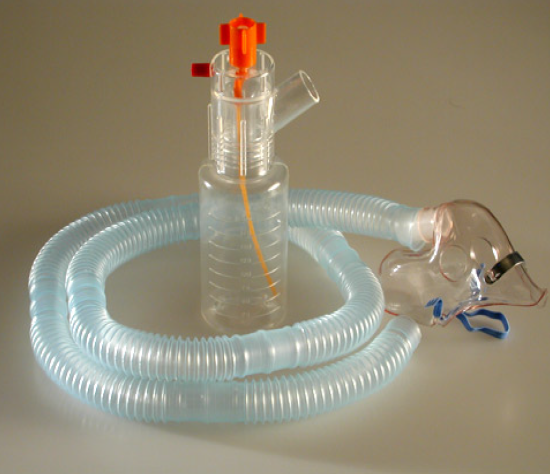
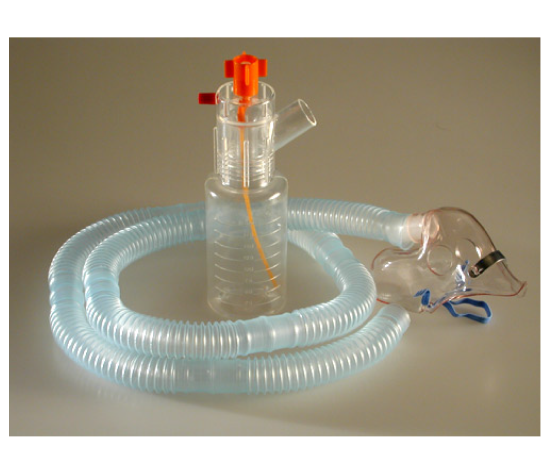
A Nebulizer delivers aerosol over several minutes, which changes the dependency on coordination. This can be useful for patients who cannot reliably perform inhaler technique, including those who fatigue quickly, have limited dexterity, or are too distressed to coordinate a timed breath. The tradeoff is time and setup, which is why the care setting and caregiver bandwidth matter.
If you are looking for a patient-centered explanation of why nebulized delivery may be chosen in early respiratory distress, read How Do Nebulizers Benefit Newborns with Respiratory Issues? for more info.
Patient Factors That Often Favor an Inhaler
Many ambulatory patients prefer inhalers because they are compact and fast, but the best candidates are those who can learn and repeat the technique. That includes the ability to form a seal, follow a paced breath pattern, and use a spacer correctly when prescribed. Inhalers can work well for school-age children, adults with stable routines, and patients who can recognize symptoms early and treat them promptly.
Technique checks remain important because errors are common and often go unnoticed. Clinicians reassess how the patient acts, breathes, and holds the breath, then connect that technique to symptom response. When the technique is repeatable and the patient is consistent, inhaler therapy can be efficient, reliable, and easier to maintain long-term.
Patient Factors That Often Favor Nebulized Therapy
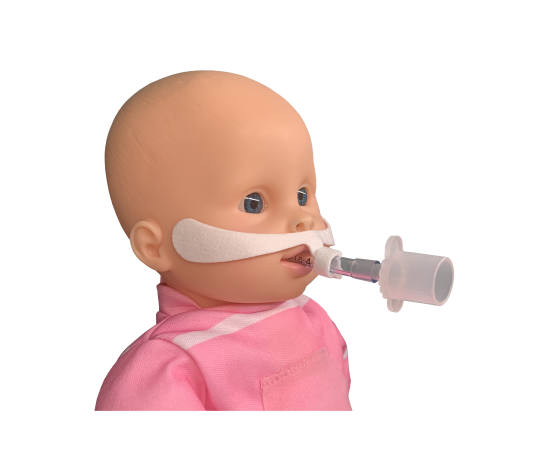
Nebulized delivery is often considered when coordination is limited or when a patient is too symptomatic to execute inhaler technique. Infants and very young children, patients with neuromuscular limitations, and some older adults may benefit from a method that delivers medication through normal breathing. It can also be useful when caregivers need a process that is easier to supervise and repeat.
Age-specific questions come up frequently, especially for newborns and infants. For clinical discussions around early infancy use, read Are Nebulizers Safe for Newborns? to learn more.
For a more specific age-related scenario, read Is Nebulizer Safe for 2 Month Old Baby for a detailed understanding.
Homecare Practicalities That Shape the Right Choice
In-home care, the right option is often the one that can be done correctly on a busy day. Inhalers can be ideal when a patient has a reliable technique and a routine that supports consistent timing. Nebulized therapy can fit better when caregivers need a more guided process, or when the patient’s symptoms make inhaler technique inconsistent.
Cleaning and maintenance also affect adherence. Families and caregivers need clear expectations for cleaning intervals, drying, and replacement schedules, because contamination risk rises when equipment stays damp or is stored improperly. For practical home selection considerations, read Choosing the Best Nebulizer for Homecare to learn more.
B&B Medical Technologies Support for Respiratory Delivery Workflows
B&B Medical Technologies develops respiratory care products with a focus on clinical use, where delivery has to remain consistent through daily handling, patient fatigue, and changing care environments. Clinicians and caregivers need equipment that supports repeatable setup, predictable performance, and straightforward checks, so treatment delivery remains stable rather than varying from session to session.
By emphasizing practical compatibility and durable use across care settings, B&B Medical Technologies supports respiratory workflows that are easier to maintain over time. When equipment behaves consistently, clinicians can interpret patient response more confidently, caregivers can follow the routine with fewer interruptions, and therapy decisions can be guided by trends.
Frequently Asked Questions
No. The better choice depends on coordination, symptom severity, and the ability to repeat correct technique in the actual care setting.
Many patients have timing or breath pattern issues, especially during flare-ups. Without a spacer or coaching, medication may not reach the lower airway consistently.
It is often used when inhaler technique is unreliable, when the patient is too young to coordinate, or when symptoms make coordinated inhalation difficult.
Yes. Nebulized treatments typically run several minutes, while inhalers deliver doses quickly when the technique is correct.
Consistency. The best option is the one that can be done correctly, cleaned properly, and repeated reliably without missed treatments.