Eating with Bite Blocks can feel unfamiliar at first because they change how your teeth come together and how food is broken down. Instead of full contact across your bite, certain areas are intentionally separated, which shifts pressure and chewing patterns. This adjustment can make meals feel slower or slightly awkward in the beginning, especially when you are used to a consistent bite.
The key is to work with the new alignment rather than pushing against it. Most people adapt when they choose softer foods, take controlled bites, and give their jaw time to find a stable rhythm. As coordination improves, chewing becomes more efficient and comfortable, and daily eating starts to feel normal again without unnecessary strain.
What Are Bite Blocks And How Do They Influence Chewing?
Bite Blocks change the way force is shared inside the mouth, which is why eating feels different as soon as they are placed. In orthodontic treatment, they create separation, so certain teeth or brackets are protected while the bite is being guided into a better position. That means the mouth is no longer using the same contact points it relied on before, so chewing can feel slower, less even, and more deliberate during the adjustment period. The important thing to understand is that this change is purposeful. Your bite is being redirected, not disrupted without reason.
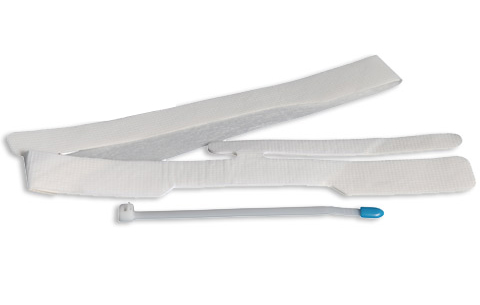
From a broader clinical standpoint, bite blocks are also used where controlling oral pressure is essential for protection. B&B Medical Technologies builds bite block solutions for airway settings because uncontrolled biting can compress, damage, or compromise critical devices. That same principle helps explain daily eating challenges in orthodontic use. When pressure is redirected, the mouth has to learn a new pattern of closure, food breakdown, and jaw movement. Once you understand that role, the goal becomes much clearer. You are not trying to chew the old way with a new appliance in place. You are learning a safer, more efficient way to chew while the bite is being managed.
Best Way to Start Eating Comfortably with Bite Blocks
The best starting point is to reduce the amount of force each meal demands. Softer foods help because they break down with less pressure and less grinding, which gives the teeth and jaw time to adjust without overloading sensitive contact points. This is especially helpful in the first days, when the bite can feel unstable simply because your teeth are no longer meeting in the familiar way. Foods like eggs, oatmeal, rice, yogurt, pasta, soft fruit, mashed vegetables, soups, and tender fish tend to be easier because they do not require repeated heavy contact to become manageable.
Portion control matters just as much as food texture. When bites are too large, the mouth has to work harder to reposition food, generate force, and find a stable chewing path. Smaller bites lower that demand and make it easier to chew with control instead of strain. This is often the most practical answer to ‘how to chew with bite blocks?’ because eating becomes easier when you reduce the force requirement, slow down the pace, and let the jaw settle into a more efficient rhythm. Comfort usually improves not from one big change, but from several small habits working together during every meal.
If you want to understand how this works in orthodontic care more specifically, explore Bite Block for Braces for a closer look at how bite blocks support treatment and daily function.
How to Adjust Your Chewing Pattern Over Time
Chewing well with bite blocks depends more on coordination than strength. Many people respond to the early awkwardness by trying to bite down harder, but that usually creates more fatigue and frustration because the issue is not weak chewing. The issue is altered contact. Your jaw needs time to map out a new path of movement, and that process improves when you chew with patience rather than pressure. It is normal to notice that one side feels more stable than the other or that certain motions feel easier with softer meals. Those patterns often settle as the bite adapts.
Over time, the muscles of the jaw become more efficient at working within the new contact pattern, which is why meals usually begin to feel less mechanical and more natural after a short adjustment phase. If you are still searching ‘how to chew with bite blocks?’, the deeper answer is that chewing improves when you stop trying to force symmetry too early and instead focus on steady, balanced movement. Slow chewing, controlled pressure, and food choices that match your current comfort level allow the bite to adapt without unnecessary irritation. That kind of adjustment is gradual, but it is usually the reason people move from frustration to confidence.
For a broader explanation of what bite blocks do and why they are used during treatment, read What Is Bite Block & How Does It Help With Braces? to connect chewing changes with the bigger purpose behind the appliance.
Foods to Avoid While Adjusting to Bite Blocks
Hard, sticky, and highly chewy foods are usually the most difficult because they expose every weakness in an unstable chewing pattern. Crunchy foods demand sharp initial force, sticky foods pull against teeth and appliances, and chewy foods require repeated grinding that can tire the jaw quickly. When bite blocks are already changing how force is distributed, these textures can make meals feel much harder than they need to be. They may also increase soreness because the mouth is being asked to do more work before it has adapted to the new bite relationship.
Avoiding these foods early is a practical way to protect progress. In orthodontic use, this can help prevent unnecessary stress on brackets and reduce irritation during active bite correction. In clinical settings, B&B’s bite block solutions are built around the same larger idea, which is protecting structures when uncontrolled biting creates risk. That principle applies here as well. During the adjustment phase, the smartest food choices are the ones that reduce pressure spikes, lower chewing effort, and allow the mouth to work within its new mechanics rather than against them.
What to Expect During the First Few Days
The first few days often bring the biggest change because the mouth has not yet learned how to function efficiently with the new contact pattern. You may feel that food is not breaking down the way it usually does, or that meals take longer because your jaw is searching for a comfortable rhythm. That does not necessarily mean the bite blocks are a problem. In many cases, it means your mouth is still learning how to distribute force in a different way. This stage can feel frustrating, but it is often temporary when food choices and chewing habits support the adjustment.
What helps most during this period is consistency. Reaching for softer foods at every meal, chewing more slowly, and taking smaller bites allow the jaw to build a more stable pattern without excess strain. Water can also help between bites because it clears food more easily when chewing efficiency is still developing. As adaptation improves, people usually notice that chewing becomes less deliberate and more automatic. That shift is a good sign because it shows the bite is no longer competing with every meal, and the mouth is beginning to work with the appliance rather than resist it.
When to Seek Professional Guidance
Some discomfort is expected, but the pattern should move toward improvement rather than worsening. Mild soreness, temporary awkward chewing, and slight fatigue in the jaw can happen while the bite is adjusting. What deserves attention is pain that feels sharp, chewing difficulty that makes even soft foods hard to manage, or a sensation that the bite block is interfering in a way that feels unstable instead of simply unfamiliar. Those signs suggest the issue may be more than normal adaptation.
Professional follow-up is also important when progress stalls. If meals keep getting harder, if one area of the mouth feels excessively overloaded, or if irritation builds instead of calming down, a small adjustment may be needed. Early evaluation can prevent more discomfort and help restore a better chewing pattern before frustration builds into avoidance of eating. In any setting where a bite block is being used, whether for orthodontic guidance or clinical protection, monitoring matters because fit, function, and pressure control all influence outcomes.
Clinical and Orthodontic Uses of Bite Blocks
Most people think of bite blocks in relation to braces, but their broader role is about pressure control and protection. In orthodontics, they help manage how the teeth meet so treatment can move forward without unwanted contact interfering with brackets or bite correction. In clinical care, bite blocks are used to protect oral and airway devices from being compressed or damaged by biting. B&B Medical Technologies has built a strong position in that area with bite block products designed to support tube protection, oral access, and secure function in demanding care settings.
That wider clinical role adds a useful perspective to the everyday question of eating with bite blocks. These devices are not passive add-ons. They are placed because contact inside the mouth matters. Force, positioning, and access all affect how well treatment or device protection is maintained. When patients understand bite blocks through that lens, eating advice becomes more meaningful. Softer foods, controlled chewing, and measured adaptation are not just comfort tips. They support the purpose of the bite block by reducing unnecessary stress while the mouth is being guided toward a safer and more stable pattern.
About B&B Medical Technologies
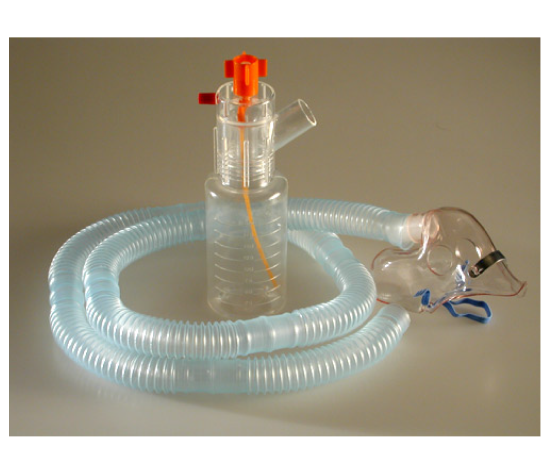
B&B Medical Technologies has built its reputation around airway management, respiratory care, and device stabilization solutions used in hospitals and critical care environments. Its product line includes endotracheal tube holders, bite block systems, tracheostomy security devices, continuous nebulizers, neonatal CPAP solutions, and related respiratory accessories. That breadth matters because it shows a company that does not approach products as isolated items. It develops solutions around real points of failure in care, where movement, moisture, pressure, oral access, and time-sensitive handling all affect patient outcomes.
That experience gives B&B Medical Technologies practical authority when discussing bite block use. The company’s bite block offerings are built around more than basic protection. They are designed with attention to fit, oral access, material tolerance, and compatibility with securement systems already used in critical care and transport settings. For readers exploring bite blocks from an orthodontic angle, that clinical depth helps reinforce a larger truth: bite control is never just about comfort. It is about preserving function, reducing preventable complications, and helping the mouth or device environment stay stable under real conditions.
Frequently Asked Questions
Yes, but eating may feel different at first. Choosing softer foods and chewing slowly helps make the adjustment easier.
Most people adjust within a few days to a couple of weeks as their chewing pattern adapts.
Soft foods like yogurt, eggs, rice, pasta, and mashed vegetables are usually the easiest to eat.
No, they temporarily change how your teeth meet. Once removed, normal chewing typically returns.
No, they can also be used in clinical settings to protect the mouth and devices from biting pressure.