A premature baby may need help keeping the lungs open after birth. The air sacs are delicate, and when they collapse between breaths, it makes it harder to reopen them again and again. All that extra work can be tiring quickly and can affect oxygen stability.
Bubble CPAP gives steady pressure through the nose to support the lungs between breaths. It does not replace the baby’s breathing; it helps make breathing more efficient while the lungs continue to mature. This can be especially valuable during the early NICU period, when every bit of saved energy matters.
Why Some Newborns Need Respiratory Support After Birth
Before birth, a baby receives oxygen through the placenta, and the lungs remain filled with fluid rather than air. At birth, the lungs need to quickly adapt to breathing on their own and to start the process of exchanging oxygen and carbon dioxide. While many infants born at term are able to make this transition successfully, preterm infants often face other challenges because their lungs and respiratory muscles are still immature.
A lack of surfactant can cause problems in breathing. Surfactant is a substance that prevents the small air sacs of the lungs from collapsing after a breath is exhaled. Without enough surfactant, the lungs have to work harder to stay open, meaning the baby has to work harder to breathe. Initial respiratory support can help to stabilize lung function, improve oxygen delivery, and reduce the work of the lungs as they continue to develop.
What Is Bubble CPAP?
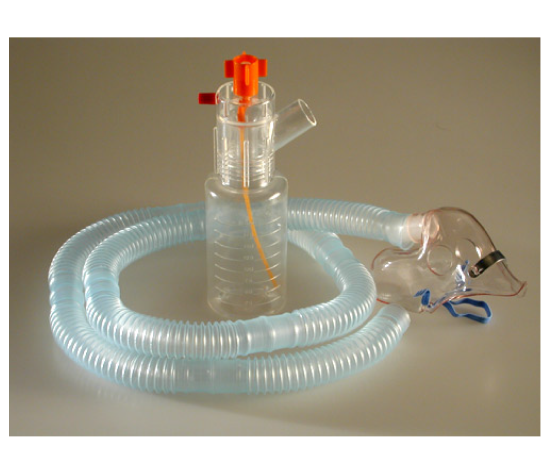
Bubble CPAP is a non-invasive breathing support that assists infants to breathe more easily. It supplies a continuous stream of blended air and oxygen through nasal prongs or a nasal mask to create mild pressure in the airway, which keeps the lungs open. The system is comprised of a gas source, humidifier, breathing circuit, patient interface, and a water chamber. Bubbles are created when the exhaled gas flows through the tubing under the water. This bubbling action helps to maintain a constant pressure, reducing lung collapse between breaths and promoting more stable breathing.
How Bubble CPAP Helps Keep the Lungs Open
The healthy lung does not deflate completely after exhalation. There is some air left inside, which helps to keep the alveoli open and ready for the next breath. Babies born too early might have trouble keeping this amount of air because their lungs are not fully developed.
Bubble CPAP helps this natural lung volume with gentle continuous pressure. This keeps alveoli open so breathing is more efficient, the transfer of oxygen is better, and the baby uses less energy to take a breath. That saved energy can support feeding, healing, growth, and overall development.
Why Humidification Matters During Bubble CPAP Therapy
Proper humidification is an essential part of Bubble CPAP therapy because newborn airways are highly sensitive to dry gases. Medical gases supplied through respiratory equipment contain very little moisture, and prolonged exposure to dry air can irritate airway tissues and contribute to thicker respiratory secretions.
The warm, humidified gas helps to maintain the normal moisture balance of the respiratory tract and allows the normal movement of mucus. This promotes airway comfort and helps to reduce the risk of secretions collecting that could interfere with breathing. For these reasons, NICU teams monitor humidification systems carefully to ensure infants are supported with their breathing in the best conditions.
How Clinicians Monitor a Newborn on Bubble CPAP
Close monitoring allows healthcare teams to evaluate how effectively Bubble CPAP is supporting a newborn’s breathing. Respiratory conditions can change quickly in premature infants, making ongoing assessment an important part of safe and effective care.
Care teams consider a number of signs to assess how well a newborn is breathing, including breathing rate, oxygen support, chest movement, effort of breathing, blood gas results, and any pauses in breathing. They also watch the baby’s alertness, color, comfort, and overall behavior. Reviewing these details together helps clinicians decide whether the current support is enough or if the care plan needs to be changed.
Why Correct Placement of the Nasal Interface Matters
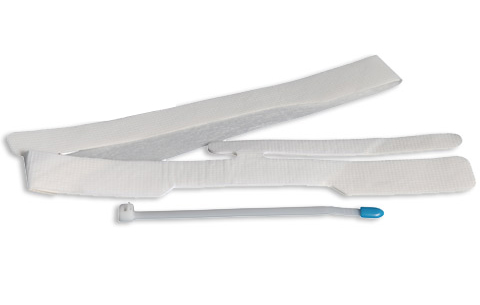
The nasal interface is the link between the infant and the Bubble CPAP system. The fit and placement of the interface determine how well pressure can be delivered to the lungs. Small changes in the placement of the interface can lead to air leaking out, which disrupts consistent respiratory support.
The skin and nasal tissues of newborns are very delicate and need to be carefully protected. In the NICU, teams routinely check the fit of the nasal prongs or mask, look at the skin for any signs of irritation, and make sure the tubing is in the correct position. Constant attention to these details results in maintaining effective therapy with minimization of the risk of pressure-related skin injury.
When Newborns May Need More Than Bubble CPAP
Bubble CPAP provides effective support for many infants, particularly those who can breathe independently but need help keeping their lungs open. However, some newborns develop respiratory problems that require a higher level of assistance as their clinical condition changes. Clinical providers look for signs of increased oxygen requirement, worsening respiratory distress, frequent apnea, or fatigue, and if these signs suggest that the baby is not breathing well enough on CPAP alone, mechanical ventilation is considered. The decision is made based on a careful assessment of the baby’s respiratory status and general health.
Read CPAP for Newborns: Exploring the Benefits and Applications for additional information about neonatal respiratory support.
How Bubble CPAP Fits Into a Larger NICU Care Plan
Respiratory support is just one part of neonatal intensive care. Premature and medically fragile infants often need help in several areas at the same time as they grow stronger and recover in the NICU.
Care teams may also provide nutritional support, temperature management, infection prevention, developmental care, skin protection, and continuous monitoring in addition to Bubble CPAP. Every part of the care plan is focused on supporting the infant’s health and stability. Bubble CPAP supports this process by helping a newborn breathe more comfortably while the lungs continue to develop and adapt after birth.
For parents and caregivers who want to learn more, CPAP for Newborns, Neonatal CPAP: A Comprehensive Guide.
How B&B Medical Technologies Supports Neonatal Respiratory Care
B&B Medical Technologies designs respiratory care products that reflect the clinical realities of neonatal and critical care. Its portfolio supports airway management, humidification, respiratory interfaces, airway stabilization, and bedside respiratory therapy, giving clinicians the ability to utilize tools across different stages of patient support. When patients are fragile and small changes can impact respiratory stability, reliable product design is key to helping care teams deliver treatment with greater consistency.
In the NICU, respiratory care is shaped by many details happening at once. Clinicians need to keep the airway open, maintain humidification, protect delicate skin, watch for changes in breathing, and ensure equipment functions reliably throughout treatment. B&B Medical Technologies meets these practical needs with solutions that are designed to work within everyday bedside workflows, so healthcare teams can support vulnerable patients with greater control, reliability, and confidence.
For readers interested in neonatal skin protection during respiratory support, Does Hydrocolloid Heal Wounds Faster? explores another important aspect of NICU patient care.
Why Ongoing Reassessment Is Important During Bubble CPAP Therapy
A newborn’s respiratory status can fluctuate significantly during treatment. As the lungs mature and the infant responds to treatment, the amount of support required may increase, decrease, or stay the same. This depends on the underlying condition and overall progress.
Routine reassessment allows clinicians to identify these changes early and to make evidence-based decisions regarding care. By examining breathing patterns, oxygen requirements, clinical observations, and other important indicators, healthcare teams can customize therapy to an infant’s current needs. This continuous process encourages safer management of breathing and supports the delivery of the most appropriate level of support for each baby during recovery.
Frequently Asked Questions
Bubble CPAP is used to help newborns who are breathing on their own but need help with keeping their lungs open and oxygen levels normal. It is often used in premature infants and in babies who are having breathing problems.
It offers gentle, continuous pressure that helps keep tiny air sacs in the lungs open between breaths, making it easier to breathe and helping with oxygen exchange.
Bubble CPAP can provide effective respiratory support while allowing babies to continue breathing on their own. For many infants, this level of support is enough to help stabilize their condition.
For some infants, yes. Early use of Bubble CPAP may help support breathing and reduce the need for more invasive respiratory interventions.
The continuous flow of gas through the system and the placement of the tubing under the water in the bubble chamber create pressure.
The bubbles indicate that gas is flowing through the system and help maintain the pressure used to support the infant’s breathing.
Yes. Humidification helps to keep moisture in the airways, helps with mucus clearance, and helps provide comfortable and effective respiratory support.
Clinicians monitor breathing effort, oxygen needs, respiratory rate, blood gas results, chest movement, and the baby’s overall condition to evaluate how well the therapy is supporting the infant.