Bubble CPAP delivers a steady flow of gas to the patient, and the exhaled gas leaves through tubing that sits under water. The depth of that tubing sets the pressure, so deeper placement creates higher back pressure and shallower placement lowers it. This pressure stays present between breaths and keeps the airways and small lung units from closing at the end of exhalation. In patients with immature or unstable lungs, that steady support reduces the effort needed to reopen the lungs with each breath and helps maintain a more consistent lung volume.
The bubbling shows that the system is creating pressure. Gas has to pass through the water to leave the circuit, so each bubble confirms that support is being delivered. When bubbling stays steady, the flow and pressure are usually stable. If it slows down, becomes uneven, or stops, it can mean the flow has changed, there is a leak, or the circuit is not working properly. That is why doctors keep a close eye on the bubbling during treatment.
As those bubbles rise, they create rapid, small pressure variations within the circuit. These are not random. They gently pulse the airway, helping keep small alveoli from collapsing at the end of exhalation. That effect supports more consistent lung volume and reduces the effort required to reopen lung units with each breath. This is why Bubble CPAP is chosen when the goal is to stabilize breathing without replacing it, especially in patients who can breathe but struggle to maintain effective lung expansion.
How Bubble CPAP Creates Pressure Through Flow And Water Depth
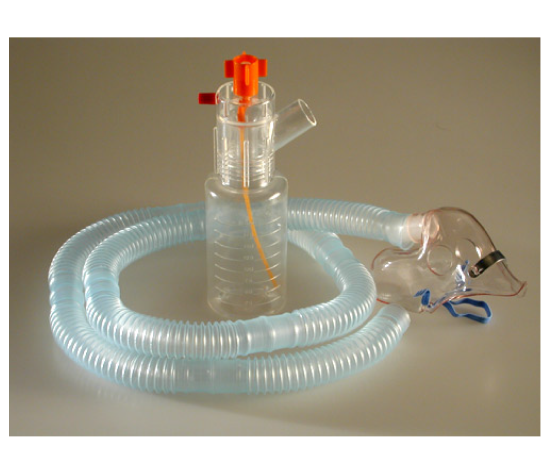
Pressure in bubble CPAP is set by a physical relationship that remains easy to verify at the bedside. Gas flows toward the patient and exits through tubing submerged under water. The pressure level rises as the expiratory tubing is placed deeper below the water surface. In practical terms, if the tube sits 5 cm below the waterline, the system generates about 5 cm H2O of pressure. That makes the pressure setting easy to understand because the water depth directly reflects the level of support being created. Instead of relying on hidden internal mechanics, clinicians can see the pressure principle built into the setup itself.
What keeps that pressure useful in practice is a steady gas flow through the circuit. Flow has to remain strong enough to maintain continuous bubbling, because that bubbling shows the system is still generating the intended pressure. If the flow drops too low or a leak develops around the interface, the delivered support can become less stable even when the tubing depth looks correct. This is why clinicians watch bubbling, confirm water depth, and adjust flow together rather than treating each part of the setup as separate. That combination of visual confirmation and mechanical simplicity is why many teams rely on it in active care environments. For a deeper breakdown of system setup and components, explore Bubble CPAP System as a related resource.
How The Bubble CPAP Bubbling Chamber Helps Maintain Lung Recruitment
The bubbling chamber is where the therapy becomes distinctive. As gas leaves the expiratory limb under water, the bubbling action creates small pressure oscillations within the circuit. These oscillations are part of what makes Bubble CPAP different from other forms of continuous pressure support. The goal is not simply to hold the airway open. It is to support a more stable lung volume by helping small airspaces stay recruited between breaths, which can improve oxygenation and reduce the effort needed to maintain ventilation.
That matters most in patients whose lungs tend to derecruit easily, such as premature infants or others with fragile respiratory mechanics. If those tiny airspaces keep collapsing after exhalation, the next breath becomes harder because the lungs have to be reopened again and again. Bubble CPAP helps interrupt that cycle by maintaining a more supportive baseline pressure. If you want a deeper clinical overview of how this therapy is used in practice, read What Is Bubble CPAP? A Complete Guide for Respiratory Care Professionals provides a broader explanation of how these pressure mechanics support respiratory care.
How Bubble CPAP Supports Breathing Without Replacing It
One of the most important things to understand is that bubble CPAP does not breathe for the patient in the way invasive ventilation does. It supports spontaneous breathing by reducing the amount of work required to keep the lungs open and maintain more efficient gas exchange. The patient still initiates breaths, but the system helps those breaths begin from a more stable starting point. That is often what makes the therapy so valuable in early respiratory distress, when breathing is present but becoming too costly to sustain without help.
This support can make a meaningful difference in how quickly fatigue develops. When lung units stay more open, and airway pressure remains more stable, the chest wall and respiratory muscles do not have to overcome the same degree of collapse with every breath. That can reduce visible distress, improve oxygen transfer, and lower the likelihood that support will need to escalate immediately to more invasive methods. For a wider look at how this applies across different patient groups, explore Bubble CPAP Therapy Supports Respiratory Care for Neonates & Adults as a companion read.
Why Flow Stability And Interface Fit Matter In Bubble CPAP
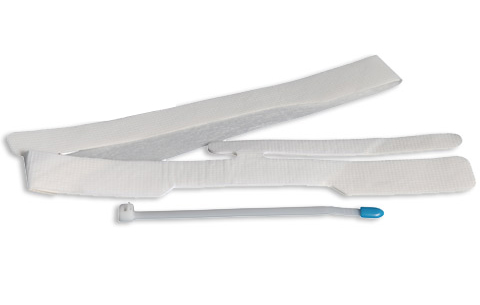
Even though the pressure principle is straightforward, good performance depends on more than placing tubing into water. The gas flow has to remain appropriate for the patient, and the interface has to deliver that support without excessive leak. If the flow is unstable or the interface fit is poor, the pressure reaching the patient may not reflect the intended setup. That can make the therapy less effective even when the water depth appears correct. In practice, performance depends on the whole system working together.
This is why bubble CPAP should be thought of as a therapy that depends on both mechanical setup and clinical observation. The pressure source, bubbling chamber, patient interface, and ongoing reassessment all contribute to whether support remains effective. Good results come from maintaining stable flow, watching the patient’s effort and tolerance, and making sure the therapy is helping the lungs stay open in the way it was intended to. For a newborn-focused view of gentle system-based support, read Bubble CPAP Systems: Gentle Respiratory Support for Newborns for more details on how the therapy is applied in fragile neonatal care.
Why Bubble CPAP Is Common In Neonatal Care
Bubble CPAP is especially common in neonatal care because newborn lungs, particularly in premature infants, are prone to instability. Limited surfactant, immature lung structure, and difficulty maintaining functional residual capacity can make each breath more demanding than it should be. In that setting, a noninvasive method that supports lung recruitment and reduces the work of breathing can be extremely valuable. The therapy helps many infants breathe more efficiently without moving immediately to intubation and full mechanical ventilation.
Its value also comes from how well the underlying mechanism matches the clinical problem. Neonates often need help keeping the lungs open rather than having breathing taken over entirely. Bubble CPAP addresses that need by maintaining steady pressure and supporting spontaneous breaths from a more stable baseline. That is why it continues to hold an important role in respiratory support strategies where the goal is to stabilize breathing early while reducing exposure to more invasive respiratory interventions.
About B&B Medical Technologies And Bubble CPAP
B&B Medical Technologies develops respiratory and airway management products used in neonatal, pediatric, anesthesia, and critical care settings where consistent pressure delivery and dependable device performance matter every day. Its Bubble CPAP portfolio includes the B&B Bubbler, a valve designed to deliver adjustable bubble CPAP support for spontaneously breathing neonates and infants who need noninvasive respiratory assistance. That product focus reflects a practical understanding of how respiratory support is delivered at the bedside and why pressure setup must be both effective and manageable in real care environments.
This gives B&B Medical Technologies meaningful authority in discussions about how bubble CPAP works and why it is used. The company’s product and educational resources consistently center on the mechanics that matter most in care, including pressure control, lung recruitment, reduced work of breathing, and easier setup within neonatal support workflows. That combination of engineering focus and clinical relevance helps position B&B Medical Technologies as a trusted source for respiratory systems designed to support vulnerable patients with dependable, noninvasive care.
Frequently Asked Questions
It creates pressure by sending gas through a circuit whose expiratory limb is submerged under water. The water depth determines the pressure level maintained in the system.
The bubbling happens as gas exits through the submerged tube. Those bubbles reflect the pressure-generating mechanism and create gentle oscillations within the system.
No. It supports patients who are breathing on their own by helping keep the lungs and airways more open between breaths.
Newborns, especially premature babies, can struggle to keep their lungs expanded after each exhalation and may use too much energy trying to breathe effectively. Bubble CPAP helps by maintaining gentle continuous pressure that supports lung volume and eases respiratory effort without moving straight to invasive ventilation.
Effective therapy depends on stable gas flow, correct water depth, appropriate interface fit, and close monitoring of the patient’s breathing effort and response.