Bite blocks are used in orthodontics when the bite needs a little guidance during treatment, but they are not added for every braces patient. Whether someone needs Bite Blocks depends on how the teeth meet, whether brackets or wires are in the path of contact, and how much space is needed so teeth can move without repeated interference. Some patients never need them at all, while others benefit early on when alignment changes quickly, and bite pressure can feel uneven.
Bite Blocks with Braces are usually recommended when controlling contact helps protect the appliances and keep movement predictable. By shifting where the teeth touch, they can reduce bracket breakage, limit excessive pressure on teeth being repositioned, and create the clearance needed for planned changes. When they are placed thoughtfully and checked at adjustment visits, they support comfort and progress without adding unnecessary complexity.
Why Orthodontists Add Bite Blocks During Braces Treatment
Orthodontists use bite blocks to manage interference, i.e., if a deep bite or crossbite causes the upper teeth to hit lower brackets, repeated contact can break brackets and increase chair time for repairs. Bite blocks help protect appliances by lifting the bite slightly so the teeth do not collide in a way that disrupts treatment.
They can also support certain tooth movements by reducing heavy contact on teeth that are being repositioned. This can make early treatment phases more stable and may reduce soreness caused by uneven bite pressure. For a deeper explanation of how bite blocks fit into alignment planning, read How Does Bite Block Help With Braces? for a detailed understanding.
Which Patients Are More Likely to Need Bite Blocks with Braces
Patients are more likely to receive bite blocks when their bite closes tightly, and the front teeth overlap heavily, or when a bite pattern places brackets directly in the path of contact. Deep bites, some crossbites, and cases with significant crowding can increase the need for extra clearance, as the orthodontist may need more space while the bite is being corrected.
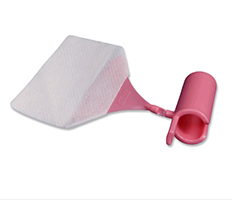
Bite blocks are also more common for patients who have a history of breaking brackets or clenching. In those situations, giving the appliances more protection early on can prevent setbacks. If you want a simple overview of what bite blocks are and where they are placed, read Bite Block for Braces to learn more.
What Bite Blocks Feel Like and How Patients Adapt
The bite may touch on the blocks first, so chewing can feel uneven until you learn where to place pressure. Some people notice a short phase of extra saliva or minor speech changes because the tongue and cheeks are adjusting to a new contact point, especially during the first week.
Adaptation usually improves with a simple routine. Softer foods and smaller bites reduce strain while the jaw finds a comfortable path, and chewing on both sides can help balance pressure. If a spot feels sharp or rubs the cheek, wax can reduce irritation, and careful brushing keeps the area from feeling inflamed. If the contact feels high on one side or causes repeated soreness, the orthodontist can reshape or adjust the bite block so the bite settles more evenly.
How Long Do Bite Blocks Stay In Place During Treatment
How long bite blocks stay in place depends on what they are protecting and what the orthodontist is trying to change first. In many cases, they are used early to create clearance while brackets settle and bite interference reduces, then removed once the teeth no longer collide in a way that risks breakage. In more involved bite corrections, they can remain longer because the bite is being guided gradually, and the contact pattern needs time to stabilize.
Condition over time matters just as much as the initial plan. Bite blocks take repeated chewing force, and clenching can speed up flattening or chipping, which reduces the clearance they were meant to create. If the contact point changes or the bite begins to feel different again, orthodontists may adjust the block, rebuild it, or replace it so the intended protection and tooth movement stay consistent between visits.
B&B Medical Technologies’ Perspective on Bite Protection
B&B Medical Technologies supports clinical care products where stable positioning and tissue-friendly contact matter in everyday use. That experience is built around one core idea. When a protective interface sits in the right place and maintains its shape, it reduces repeated irritation and keeps the surrounding setup more stable over time. In orthodontics, bite management follows a similar logic because small changes in contact points can reduce bracket interference, limit breakage risk, and support more predictable movement during early treatment.
B&B Medical’s perspective comes from designing products that must perform consistently under moisture, movement, and routine handling. By focusing on materials that keep contact comfortable and designs that are easy to check quickly, the company supports care teams who value repeatable routines and fewer interruptions. In practical terms, predictable performance helps clinicians and caregivers stay focused on the plan, whether they are protecting an airway device or supporting bite management during orthodontic care.
Frequently Asked Questions
No. Bite blocks are used when a patient’s bite would interfere with brackets, wires, or planned tooth movement. Many patients complete treatment without them.
They can prevent teeth from hitting brackets, reduce appliance breakage, and create space for planned tooth movement. They are often used early when interference risk is highest.
Chewing can feel awkward at first, especially with harder foods. Most patients adapt within a few days and do better with softer foods early on.
Some are temporary and removed once the interference resolves, while others stay longer for more complex bite correction. The orthodontist reviews the need for adjustments at adjustment visits.
They can chip or flatten with chewing, and occasionally, they may loosen. If clearance changes or comfort drops, the orthodontist can adjust or replace them.