Nebulized therapy is often selected because it can deliver medication during normal breathing, with fewer technique demands than timed inhalation. In clinical care, the larger question is not whether aerosol can be produced, but whether delivery stays consistent for the full treatment, across routine handling, and through changing patient tolerance. That is where device type matters, because reservoir capacity, output behavior, and setup workflow shape how therapy performs over time.
B&B Medical Technologies offers nebulizer options built for different treatment patterns, including intermittent sessions and extended delivery, where refill frequency and output consistency become central. Understanding the differences helps clinicians choose a device that aligns with the order, the setting, and the patient’s ability to tolerate therapy without interruption.
Large Volume Continuous Nebulizers for Extended Medication Delivery
Large volume continuous nebulizers are commonly used when medication needs to be delivered steadily for longer periods, rather than as brief intermittent treatments. In these situations, reservoir capacity and output stability become practical safety factors. A device that can support longer run time without frequent refilling reduces workflow disruption and helps keep delivery steady when the patient’s airway status is already changing.
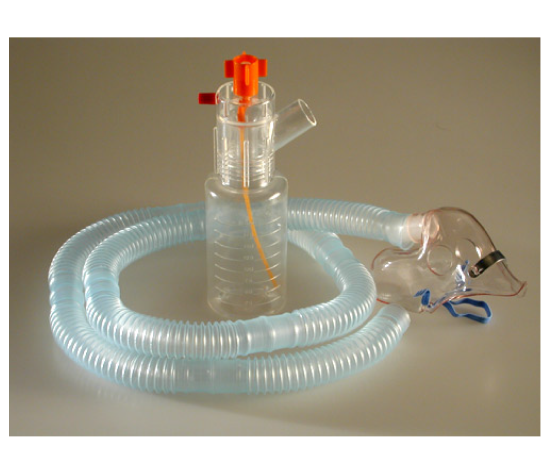
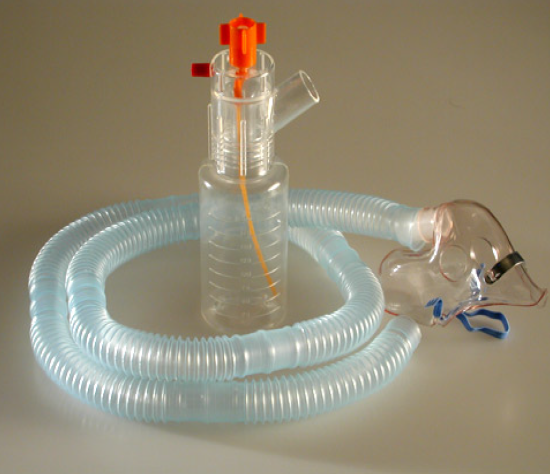
B&B’s HOPE nebulizer is designed for extended delivery with a higher capacity reservoir and a refillable, closed dilution approach that supports longer treatment windows. For clinicians managing moderate to severe respiratory compromise, this style of nebulizer can support more predictable delivery while reducing frequent breaks that interrupt patient rest and respiratory stability.
HOPE Nebulizer Kits for Adult and Pediatric Setups
A nebulizer design may perform well in isolation, but daily use depends on how smoothly it integrates into the setup in front of the clinician. Kits help standardize connections, reduce missing components, and support repeatable assembly habits across shifts. This matters in time-sensitive care, where the ability to set up correctly the first time reduces delays in symptom relief.
B&B offers HOPE nebulizer kits for adult and pediatric patients, supporting different interface needs and clinical workflows. When a kit approach is used, clinicians can focus on patient response, breath sounds, and oxygen trends rather than rebuilding the setup from scratch each time therapy is ordered.
Nebulizer Designs Used for Finer Particle Delivery and Comfort
Some nebulizer designs focus on producing a more uniform aerosol with smaller droplets, which can support deeper lung delivery when the therapy plan depends on reaching lower airways. In these cases, clinicians also look at how the device behaves as humidity increases and secretions shift, because stable output supports more predictable symptom response during the session.
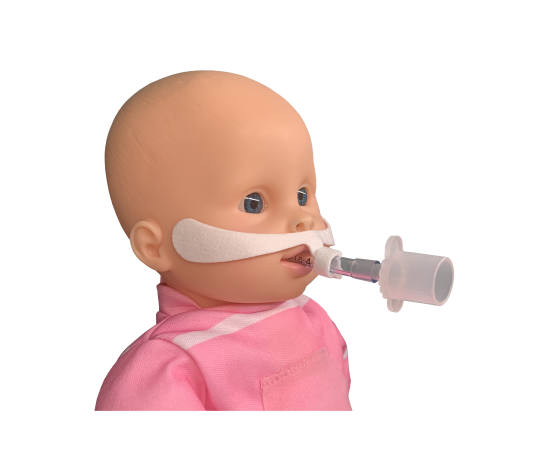
When infants are part of the care population, delivery comfort and secretion behavior often become the limiting factors. A stable aerosol that supports airway hydration can help reduce thickening secretions and may support easier suctioning when therapy is repeated. For a patient-focused explanation of infant respiratory support, read How Do Nebulizers Benefit Newborns with Respiratory Issues? to learn more.
Infant and Newborn Considerations Clinicians Weigh Before Nebulized Therapy
Nebulized therapy in newborns and young infants is typically guided by clinician direction, with close attention to diagnosis, ordered dose, and tolerance during delivery. Humidification, interface fit, and monitoring during the session influence whether therapy supports calmer breathing or becomes overstimulating. These details matter because infants can fatigue quickly and may show early stress through changes in respiratory rate, retractions, or feeding tolerance.
Safety questions are common, especially when families are moving between hospital and home-based care. For a broader discussion around early infancy use, read Are Nebulizers Safe for Newborns? for more info. For an age-specific scenario that many caregivers ask about, read Is Nebulizer Safe for 2-Month-Old Baby? for a detailed understanding.
B&B Medical Technologies: Built Around Repeatable Respiratory Workflows
B&B Medical Technologies has built its respiratory care portfolio through long-standing work with clinicians who need dependable aerosol delivery in acute care, alternate site settings, and home care. That experience shows up in product choices that support stable output, practical setup, and routine inspection habits, especially when care involves frequent handling, moisture exposure, and changing patient tolerance.
B&B Medical Technologies also focuses on consistency that supports day-to-day clinical practice. When a nebulizer setup is predictable, clinicians can interpret patient response with more confidence, caregivers can follow the routine with fewer interruptions, and therapy adjustments can be guided by trends rather than repeated setup changes. This is where Nebulizer Benefits for Baby become meaningful in clinical care, because steadier delivery and better tolerance support more reliable treatment sessions.
Frequently Asked Questions
Large volume continuous nebulizers are commonly used when medication needs to run for extended periods. Capacity and stable output are key considerations.
Kits support consistent assembly and reduce missing parts during setup. This helps clinicians start therapy sooner and maintain repeatable practice.
Yes. Output behavior, interface fit, and session length can influence comfort and tolerance. This is especially important when patients fatigue quickly.
Clinicians focus on the ordered therapy, monitoring needs, and tolerance during delivery. Interface fit and secretion management often guide the plan.
Some devices can, but selection often depends on run time, setup support, and how much caregiver oversight is available. The goal is consistent delivery in the setting where care occurs.