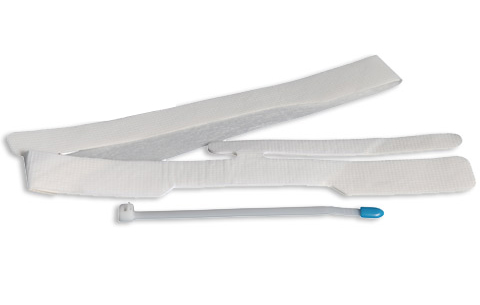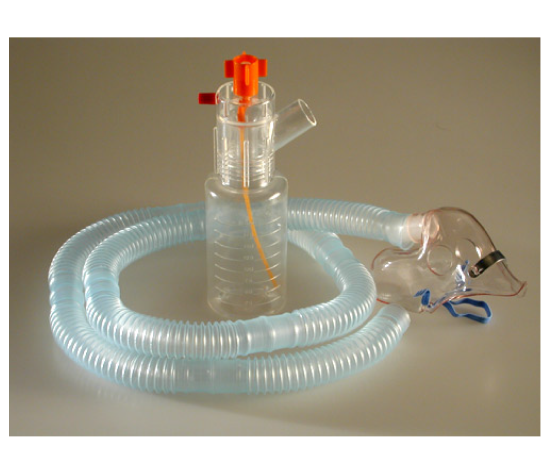
Basic disposable Nebulizer kits, tubing, a T-piece, and either a mouthpiece or mask sit at the low end of the market, making them the cheapest entry point for anyone managing COPD on a tight budget. Reusable versions of the same basic components cost more upfront but last considerably longer before needing replacement. Which option actually costs less depends entirely on how often you’re treating and how long you’re willing to stretch a single kit before hygiene and performance start to suffer.
What Nebulizer Accessories Actually Cost at the Low End
At the budget end of the market, a basic disposable Nebulizer kit with a T-piece and standard tubing sits at the lowest price point available. Add a mask instead of a mouthpiece, and pricing climbs slightly. Reusable cups and kits sit in a different price bracket entirely, with basic reusable nebulizer cups starting noticeably higher and name-brand reusable systems running well above that.
That price gap looks larger than it actually is once you factor in how many treatments each option is realistically good for. A single-use disposable kit is meant for exactly that, one use or a very limited number of uses, while a reusable cup and tubing setup is designed to be cleaned and reused across weeks or months before it needs replacing.
Disposable vs Reusable Masks: Which Costs Less Over a Year
Disposable masks are generally rated for five to seven uses before they need replacing, sometimes recommended for replacement weekly regardless of use count, purely for hygiene reasons. Reusable masks, by contrast, are typically rated to last up to six months with proper cleaning between treatments. For someone using a Nebulizer multiple times daily for COPD maintenance therapy, that durability gap adds up fast.
Disposable Mask | Reusable Mask | |
Relative cost per unit | Lowest upfront cost | Higher upfront cost |
Expected lifespan | 5 to 7 uses, or weekly | Up to 6 months |
Cleaning required | None, discard after use | Wash after every use |
Best fit for | Travel, shared/clinical settings, infrequent use | Daily home use, single-patient therapy |
Total cost over a year (2x daily use) | Adds up quickly with frequent replacement | Often lower overall with proper care |
Someone nebulizing twice a day for COPD maintenance would burn through a disposable mask in under a week if following strict hygiene replacement guidance, which means reusable options often win out on total annual cost despite the higher sticker price. Someone using a Nebulizer only occasionally, for an acute flare-up a few times a year, may genuinely spend less on sticking with disposables, since a reusable mask sitting mostly unused for months doesn’t justify its higher upfront cost.
Tubing Costs and How Long a Single Piece Actually Lasts
Standard nebulizer tubing runs about seven feet in length and is generally cross-compatible across brands, though front-loading and bottom-loading mask styles can affect fit in ways worth checking before buying replacement parts separately. Tubing sold as part of a disposable kit gets replaced along with everything else. Tubing purchased as a standalone reusable component tends to hold up for the same rough six-month window as a reusable mask, assuming it’s kept dry and free of visible mold or discoloration.
Watching for moisture buildup inside tubing matters more for cost control than people realize, since tubing that develops mold or a persistent musty smell needs replacing well before the standard six-month mark, regardless of how much money that replacement adds to the yearly total. How Often to Change Nebulizer Mask and Tubing? breaks down the specific signs that call for an early swap rather than waiting out a fixed calendar date.
Mouthpiece vs Mask: Cost Differences Worth Knowing
For COPD patients who can manage a proper mouthpiece technique, mouthpieces tend to be the cheaper accessory overall and often deliver more medication directly to the lungs than a mask does, since less mist escapes around the edges of a mouthpiece compared to a loosely fitted mask. Masks remain necessary for patients who can’t maintain a tight lip seal, whether due to advanced COPD limiting mouth strength, cognitive factors, or simple personal preference, and the price gap between mouthpiece and mask kits is generally small.
Choosing based purely on price without considering technique and comfort tends to backfire. A cheaper mouthpiece kit that a patient can’t use effectively delivers less medication per treatment than a slightly pricier mask kit that actually fits and gets used correctly, which makes the “cheaper” option more expensive in terms of treatment effectiveness, even if it costs less on the receipt.
Where Cutting Corners on Cheap Accessories Backfires
Budget accessories aren’t inherently a problem, but a few shortcuts genuinely undermine treatment quality regardless of price point. Reusing a disposable mask well past its intended five to seven uses raises real contamination risk, since these masks aren’t built with the same cleaning tolerance as reusable materials. Stretching reusable tubing past visible signs of wear, cracking, discoloration, or a persistent odor similarly risks introducing contaminants directly into the airway during treatment.
Choosing a Nebulizer accessory purely by the lowest listed price without checking compatibility with your specific compressor model creates a different kind of problem entirely: a mismatched connector or tubing diameter that doesn’t seal, wastes medication regardless of how cheap the part itself was. For a broader look at how accessory choice fits into overall device selection, Choosing the Best Nebulizer for Homecare covers compatibility considerations worth checking before buying replacement parts in bulk.
Building a Low-Cost Supply Routine That Still Protects Treatment Quality
A practical, budget-conscious approach usually lands somewhere between the two extremes. Buying reusable masks and tubing for daily maintenance therapy, then keeping a few disposable kits on hand for travel or backup use, covers most COPD patients’ needs without overspending on either end.
- Daily home use: invest in reusable masks and tubing, replacing every 6 months or sooner if worn
- Travel or backup: keep 2 to 3 disposable kits on hand for convenience and hygiene
- Multiple household users: disposable kits reduce cross-contamination risk between patients
- Tight budget with infrequent use: disposable kits alone may cost less overall
Medication choice also plays into how well any of these accessories actually perform, since even a well-maintained mask or mouthpiece can’t compensate for a treatment plan that isn’t matched to the patient’s condition. What Is the Best Nebulizer Medication for COPD? covers how medication selection works alongside accessory choice as part of an overall treatment approach, and for households managing therapy across different age groups, Is Nebulizer Safe for a 2-Month-Old Baby? addresses how accessory and safety considerations shift considerably for the youngest patients.
Frequently Asked Questions
Basic disposable kits, tubing, a T-piece, and a mouthpiece or mask sit at the lowest price point available. They’re built for limited use rather than long-term daily therapy, so that a low upfront cost comes with a shorter shelf life.
For anyone using a nebulizer multiple times a day, usually yes. A reusable mask costs more to buy, but it can last up to six months with regular cleaning, and that stretch of use tends to beat replacing a disposable mask every few days.
Around six months with proper care. That said, tubing showing mold, discoloration, or a musty smell needs replacing right away, no matter how recently it was put into use.
Usually, and it often delivers more medication to the lungs, too, as long as the patient can hold a proper seal. Masks step in when that seal isn’t realistic, whether that’s due to age, condition, or comfort.
Stretching things past their usable life. A disposable mask reused well beyond its intended handful of uses, or tubing kept in service after it starts showing wear, both introduce a real contamination risk that erases whatever money was saved.