How to Give Oxygen to a Patient With a Tracheostomy?
A Trach Collar is the standard way to deliver oxygen and humidified air to a patient breathing on their own through a tracheostomy. It sits directly over the tracheostomy opening,

A Trach Collar is the standard way to deliver oxygen and humidified air to a patient breathing on their own through a tracheostomy. It sits directly over the tracheostomy opening,
Most adults need a tracheostomy tube changed every one to three months, though patients who stay on top of daily stoma and tube care may safely stretch that to six
Yes, many patients with a tracheostomy can speak, though it usually isn’t automatic the moment the tube goes in. Whether speech is possible depends on the type of tube, whether
A tracheostomy is a surgical opening in the neck that gives a critically ill patient a direct airway into the trachea. When the mouth and nose can no longer manage
A Trach collar is used when oxygen delivery has to support an artificial airway without relying on a sealed ventilation circuit. In post-extubation recovery and tracheostomy care, the clinical goal
A tracheostomy changes how air enters the airway, so oxygen delivery and humidification have to be provided in a way that supports secretion control and patient comfort. A Trach collar
A tracheostomy changes where air enters the airway, which also changes how oxygen, humidity, and secretion clearance need to be managed. A Trach Collar is commonly used to deliver humidified oxygen
After a tracheostomy, many patients still need oxygen support, airway humidification, and a simple way to keep breathing comfortably while the upper airway is bypassed. A Trach Collar is commonly used
How can you keep a tracheostomy tube in place so patients feel safe & caregivers feel confident? This question matters every single day for families and medical teams. Airway care
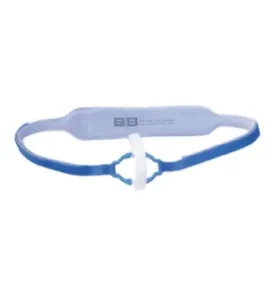
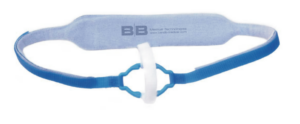
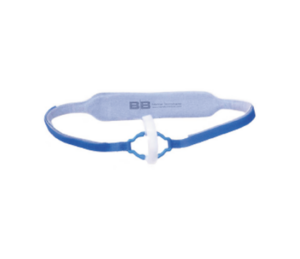
When you have to care for a patient who needs breathing help, securing the device is just as important as ensuring the ventilation. Tracheostomy tube holders are important medical devices