A bite block on braces cannot be removed at home. Because it’s bonded directly to the tooth surface, removal requires a dental handpiece and a trained orthodontist to safely grind away the bonding material without damaging the enamel underneath. Patients typically wear a bite block for six to twelve months, and the orthodontist decides on removal timing based on how much the bite has shifted and whether the surrounding teeth still need that separation from the braces brackets. Attempting to pry, chip, or force one off at home risks chipping the tooth, damaging the braces, or leaving bonding residue that causes irritation.
What a Bite Block Is and Why It Gets Bonded to Teeth
A bite block, also called a bite turbo or occlusal ramp, is a small raised platform bonded to the biting surface of a molar or the back of a front tooth. Its job is straightforward: keep the upper and lower teeth from closing completely while braces are doing the work of shifting tooth position. Without that separation, a patient’s bite can slam brackets together every time they chew, loosening wires and breaking brackets in the process. Orthodontists place these blocks specifically on patients dealing with a deep bite, an open bite, or a pattern of teeth striking brackets directly, since the added height keeps that contact from happening while treatment progresses. A closer look at how these appliances function day to day, including material types and placement patterns, is covered in What Is Bite Block & How Does It Help With Braces?, which goes deeper into the mechanics behind why orthodontists choose this appliance over other options.
Why Only an Orthodontist Can Remove a Bite Block Safely
Removal isn’t a matter of preference. A bite block is bonded using the same dental adhesive used to attach braces brackets, a compound designed to hold firmly under the pressure of daily chewing for months at a time. Breaking that bond safely requires a dental handpiece that grinds the material away in controlled layers, followed by polishing to smooth the enamel surface back to its original texture. Attempting this with household tools, fingernails, or anything not designed for dental work risks fracturing the tooth enamel underneath, which is far more serious and far more expensive to fix than the bite block itself. Orthodontic offices also check the underlying tooth and surrounding gum tissue during removal, catching any irritation or decay that might have developed while the appliance was in place. Skipping that check by removing a bite block independently means missing a step that’s built into the process for a reason.
What Actually Happens During Bite Block Removal
The removal appointment itself is short and generally painless. The orthodontist uses a dental handpiece fitted with a polishing bur to gradually abrade the bonding material off the tooth surface, working carefully to avoid taking off any of the natural enamel underneath. Once the bulk of the material is gone, the surface gets smoothed and polished to restore its original shape and shine, leaving no rough edges or leftover residue behind. Most patients feel mild vibration or pressure during the process rather than pain, and no numbing is typically required since the procedure doesn’t touch the tooth’s nerve. The entire process for a single bite block usually takes just a few minutes per tooth, and multiple blocks can be removed in the same visit if a patient has more than one in place.
Signs a Bite Block Is Ready to Come Off
Orthodontists look for a few specific markers before scheduling removal rather than working off a fixed calendar date alone:
- The bite has closed enough that teeth no longer strike the braces brackets directly
- The correction the block was placed for, whether an open bite, deep bite, or crossbite, has measurably improved
- The block itself has worn down or flattened from months of chewing pressure
- The patient is nearing the end of active bracket adjustment, when the risk of bracket damage from bite contact drops naturally
Wear patterns specifically play a bigger role in this decision than most patients expect, since a block that’s flattened out has already done most of its job. A detailed breakdown of typical wear timelines and what affects how fast a block wears down is available in How Long Does It Take for a Bite Block to Wear Down?, which covers the variables that speed up or slow down that process for different patients.
What to Do if a Bite Block Loosens or Breaks Early
A bite block that loosens, cracks, or falls off before a scheduled removal appointment needs attention from the orthodontist, not a wait-and-see approach. A loose block can shift position, expose a sharp edge of bonding material, or stop doing its job of keeping the bite separated, all of which increase the risk of bracket damage returning. Call the orthodontic office as soon as the issue is noticed rather than waiting for the next scheduled visit, since most offices can fit in a quick repair or early removal appointment, depending on how far along treatment is. The full range of what tends to cause early loosening, along with what an orthodontist typically does about it, is covered in What Happens If a Bite Block Comes Off?, which walks through the most common scenarios patients run into.
Caring for a Bite Block While It’s Still in Place
Proper daily care keeps a bite block functioning correctly for the full stretch of time it needs to stay bonded. Soft foods make the first few days more comfortable, and steering clear of hard or crunchy foods like raw carrots, ice, or tough cuts of meat for the full duration reduces the risk of chipping or dislodging the block early. Brushing around the appliance carefully, along with using an interdental brush or water flosser to clear debris from the edges, prevents plaque buildup that can otherwise irritate the surrounding gum tissue. Rinsing with cool water rather than hot water also helps, since heat can occasionally affect the bonding material over time. Patients curious about how eating habits and chewing patterns affect how quickly a block wears down naturally can find more details in How to Wear Down Bite Blocks?, which covers the day-to-day factors that influence the timeline.
What Happens to Teeth and Bite After Removal
Once a bite block comes off, most patients notice their bite feels different for a short adjustment period, since the teeth have been kept apart for months and now close together normally for the first time in a while. Mild soreness or sensitivity in the days following removal is common and typically resolves on its own without intervention. The orthodontist checks the bite alignment at this appointment to confirm the correction held and that the braces treatment can continue toward its next phase without the block’s added support. In most cases, removal marks meaningful progress in the overall treatment timeline rather than a standalone event, signaling that the teeth have moved into a position where the original bite issue no longer threatens bracket stability.
Frequently Asked Questions
An orthodontist uses a dental handpiece to gradually grind away the bonding material holding the bite block to the tooth, then polishes the surface smooth. The process is typically quick and doesn’t require any numbing.
No. A bite block is bonded with the same adhesive used for braces brackets, and removing it without proper dental tools risks chipping the tooth enamel underneath. Only an orthodontist has the equipment to remove it safely.
Most patients feel mild vibration or pressure during removal rather than pain, since the procedure doesn’t affect the tooth’s nerve, and no anesthesia is typically needed.
Most patients wear a bite block for six to twelve months, though the exact timeline depends on how quickly the underlying bite issue corrects and how the orthodontist tracks progress at each visit.
Contact the orthodontic office right away rather than waiting for the next scheduled visit. A loose or missing bite block can expose sharp bonding material or stop protecting the braces from bite contact, and most offices can fit in an early repair or removal appointment.
B&B Medical Technologies: Precision Bite Block Design for Airway Protection
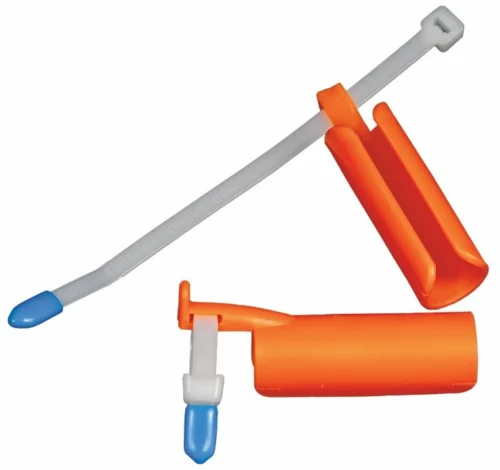
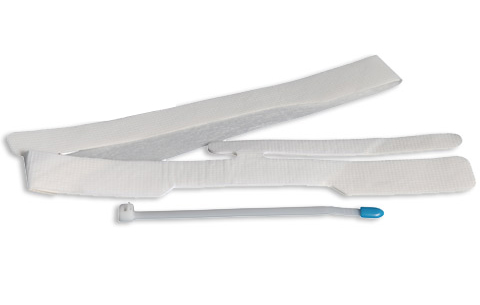
While orthodontic bite blocks manage tooth alignment, B&B Medical Technologies applies the same core principle, controlled separation without compromising safety, to a very different clinical setting. The company’s Universal Bite Block line protects intubated patients from biting down on an endotracheal tube, preventing tube occlusion and pilot balloon rupture during critical airway management. Built for both adult and pediatric patients, these devices reflect the same engineering standard B&B has applied across its product line since 1985: a secure fit that does its job reliably without adding risk to the patient it’s protecting. From critical care units to emergency transport, B&B Medical Technologies continues designing airway devices built around that same principle of dependable, purpose-built protection.